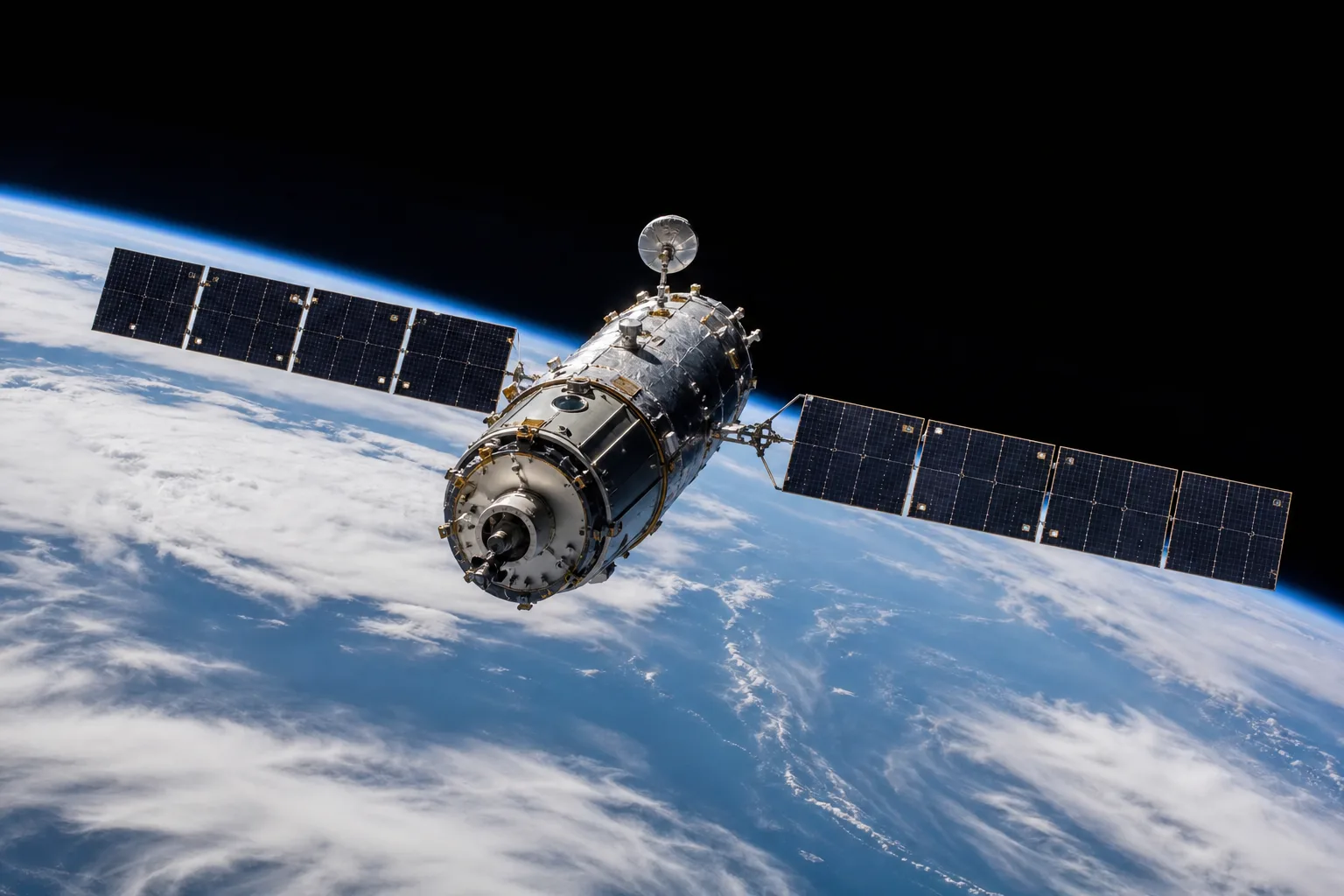
The hype around orbital data centers has been building fast — but so has the skepticism. And when the person asking the hard questions is Masayoshi Son, the founder and CEO of SoftBank, a firm not exactly known for playing it conservative with billion-dollar bets, it’s a signal worth paying attention to.
- Orbital data centers face serious cost and timeline concerns, with SoftBank’s Masayoshi Son calling the idea impractical for near-term AI needs.
- Critics argue orbital data centers primarily benefit SpaceX‘s launch business, since satellite constellations require regular replacement launches.
- Groq just closed a $650 million funding round as compute-constrained AI companies scramble for any available processing capacity.
- The broader ‘neo-cloud’ trend sees everyone from AI chipmakers to former shoe brands repositioning as compute rental businesses.
Table of Contents
Son’s Case Against Orbital Data Centers
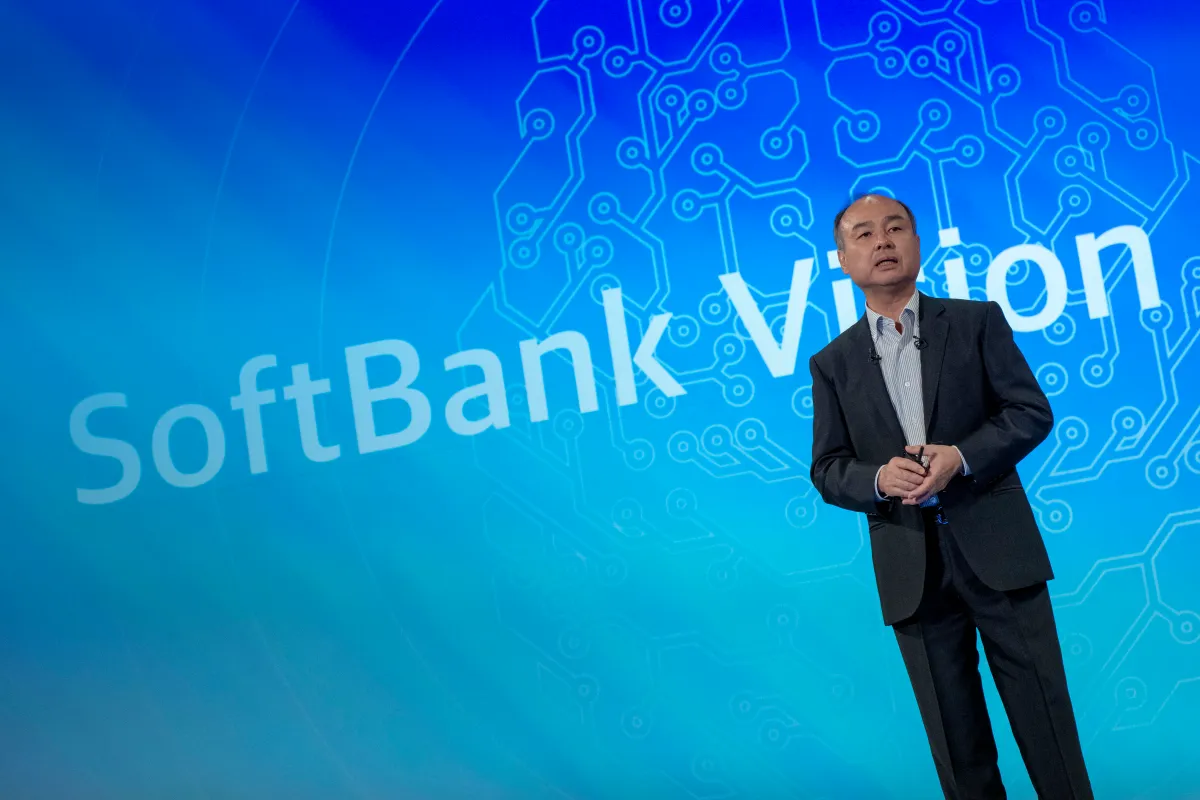
At a recent SoftBank shareholder meeting, Son laid out a pointed critique of the idea of building data centers in space. His argument wasn’t really about the engineering — it was about the clock. ‘In the battle for AI, the next few years will be far more important than what might happen a decade or so from now,’ he said. The implication is clear: orbital data centers, even if technically viable, don’t solve anything that the industry needs solved right now. The AI infrastructure crunch is urgent. A constellation of satellites that won’t be operational for years isn’t an answer to that.
That’s a fair point, and it’s one that a lot of people have been quietly making without necessarily saying it out loud. The industry is deeply compute-constrained today. Companies are signing multi-billion dollar deals to lock up GPU capacity. Data center construction is running into power grid limits, water constraints, and planning permission fights. Against that backdrop, ‘let’s put it in orbit’ sounds like either visionary problem-solving or a very expensive way to dodge the queue. The case for orbital data centers has to clear an exceptionally high bar given these ground-level alternatives.
The Irony of Son Playing the Skeptic
Here’s the thing about Son’s skepticism: it lands differently because of who he is. This is the man who handed Adam Neumann $4.4 billion to build WeWork, a co-working company that at its peak was valued at $47 billion before spectacularly imploding. SoftBank’s Vision Fund has a track record of backing ideas that made traditional investors wince — and sometimes those bets paid off handsomely, and sometimes they didn’t. So when Son stands up and says ‘wait, this seems like a lot of money for something that won’t work for a decade,’ there’s a real irony there. As TechCrunch’s Kirsten Korosec put it, it’s ‘very ironic’ that Son is the one playing skeptic, given SoftBank’s ‘long history of wild bets.’
But irony aside, the fact that a high-profile investor with Son’s risk appetite is publicly pumping the brakes does matter. For the past year or so, orbital data centers have gone from fringe idea to something a surprising number of VCs and founders are treating as a serious roadmap item. The conversation has shifted — and not everyone who’s nodded along has done the math on what it actually costs to keep a satellite constellation operational when each unit needs replacing every few years.
Who Really Benefits From Orbital Data Centers
That last point — the replacement cycle — is where things get particularly interesting when you consider SpaceX’s position in all of this. Sean O’Kane at TechCrunch made an observation that’s hard to shake: when Musk talks about building a constellation of satellites to create orbital data centers, he’s essentially guaranteeing a steady, recurring stream of launch contracts for SpaceX. Satellites don’t last forever. They degrade, they need upgrades, they fall out of orbit. Build a big enough constellation and you’ve created a permanent, self-replenishing launch manifest.
SpaceX currently controls somewhere between 80 and 90 percent of the global orbital launch market. That’s a staggering figure — but O’Kane’s analysis suggests a substantial portion of that dominance is Starlink-driven. Strip out the Starlink satellite launches and SpaceX’s share of the broader commercial launch market might look more like 20 to 40 percent. Orbital data centers, if they happened at scale, would be another version of the same dynamic: a captive internal customer keeping the Falcon 9 production line humming.
There’s nothing inherently wrong with vertical integration — Apple’s been doing it for decades. But it does raise a legitimate question about whether the orbital data center pitch is primarily a compute infrastructure argument, or whether it’s partly a justification for more launches. As Anthony Ha noted, this is a classic case of talking your own book — executives predicting a future that happens to be very good for their own business.
The Neo-Cloud Gold Rush Running in Parallel
You can’t look at the orbital data centers debate in isolation. It’s happening against a backdrop of what might be the most chaotic land-grab in recent tech history: the scramble to become a compute provider. The term ‘neo-cloud’ has entered the vocabulary, referring to companies that rent out AI compute capacity — often built on chips that aren’t Nvidia’s H100s — to developers and enterprises who can’t get enough of the stuff.
SpaceX is already in this game. The company has signed compute rental deals with Google and Anthropic, and recently closed its first post-IPO deal to lease capacity to a smaller player. It’s a smart short-term move while the orbital ambitions remain on the drawing board. Meanwhile, Groq — the AI chip company that’s spent years trying to differentiate itself from Nvidia’s dominant ecosystem — just closed a $650 million funding round, adding fresh capital to its bid to become a serious alternative compute provider.
And then there’s the genuinely surreal end of this trend. Allbirds, the sustainable sneaker company that filed for bankruptcy, has reportedly re-emerged with a new identity as a neo-cloud provider. Yes, the shoe company. It sounds absurd, but it actually illustrates something real: compute is now perceived as such a valuable asset that companies with almost no relevant infrastructure heritage are pivoting toward it, betting that being in the supply chain for AI processing is a better business than whatever they were doing before.
The Durability Question No One Can Answer Yet
The deeper issue with the neo-cloud boom — whether we’re talking about Groq, SpaceX, or anyone else trying to rent out compute — is durability. Right now, demand for AI processing capacity is so overwhelming that almost any provider with something to offer can find a customer. But that’s a market condition, not a permanent state of the world.
Nvidia isn’t standing still. The H100’s successor, the Blackwell architecture, is already in customers’ hands, and Jensen Huang has made it clear that the company intends to maintain its grip on the AI training and inference market. As Nvidia’s own supply chain catches up with demand — and as the hyperscalers (Google, Microsoft, Amazon, Meta) ramp their own custom silicon efforts — the window for alternative compute providers to lock in durable, long-term contracts may be shorter than the current frenzy suggests.
Orbital data centers sit at the extreme end of this uncertainty. Even if you solve the engineering (and the costs, which Son rightly flags as ‘very serious’), you’re delivering a product into a market that will look completely different in five to seven years. The companies racing to build AI infrastructure today are doing so because the need is now — not because they’re planning for some future where the world’s compute floats in low Earth orbit. Son’s skepticism, for all its irony, reflects a real tension in the industry: the gap between what’s technically imaginable and what’s actually useful on the timeline that matters. Until that gap closes, orbital data centers will remain a compelling concept that struggles to compete with the urgent, ground-based build-out already underway.
Frequently Asked Questions
What are orbital data centers and why is Elon Musk interested in them?
Orbital data centers are computing facilities hosted on satellites in Earth orbit rather than on the ground. Musk has floated the concept partly because space has no NIMBYs or red tape, and building a satellite constellation would also drive launch revenue for SpaceX.
Why does Masayoshi Son think orbital data centers are a bad idea?
Son argued at a recent shareholder meeting that building data centers in space won’t do much to cut costs and will take too long. His position is that in the AI race, the next few years matter far more than what might happen a decade or so from now.
How reliant is SpaceX on Starlink for its dominance of the launch market?
According to TechCrunch’s Sean O’Kane, SpaceX holds roughly 80–90% of the global launch market — but a significant chunk of that is driven by Starlink satellite launches. Without Starlink, that share could drop to somewhere in the range of 20–40%.
What is a neo-cloud provider?
A neo-cloud provider is a company that rents out AI compute capacity, often built on custom or alternative chips. The term has exploded recently as firms of all stripes — including SpaceX, Groq, and even a rebranded Allbirds — have pivoted toward leasing compute to AI developers.