

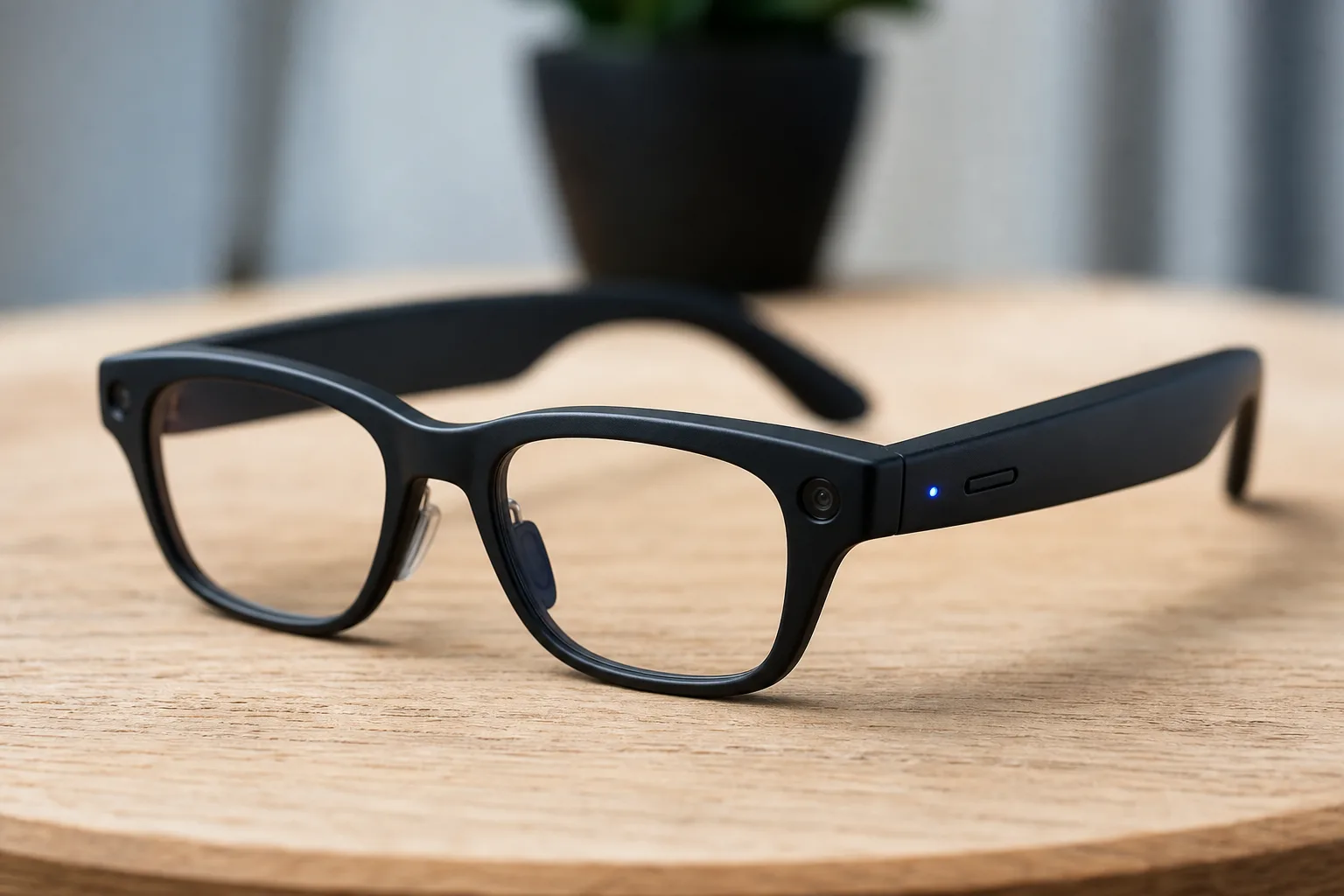
For months, Samsung Galaxy Glasses existed mostly as a rumour with a couple of blurry companion-app screenshots to show for it. That changed this week. A batch of short leaked videos, published by SammyGuru and apparently sourced from internal Samsung materials, has given us the clearest picture yet of the company’s upcoming Android XR smart glasses — and there’s a lot here that will feel immediately familiar to anyone who’s tried Meta’s Ray-Ban glasses.
- Samsung Galaxy Glasses leaked videos reveal a slim wayfarer design with touchpad controls similar to Meta Ray-Ban smart glasses.
- Samsung Galaxy Glasses feature a shutter button and privacy LED to alert people when photos or videos are being captured.
- The glasses will work with any Android phone, but Samsung’s own Galaxy lineup will deliver the tightest integration.
- Warby Parker and Gentle Monster are confirmed frame partners, suggesting multiple style options at launch.
Table of Contents
A Design That Borrows Freely from Meta’s Playbook
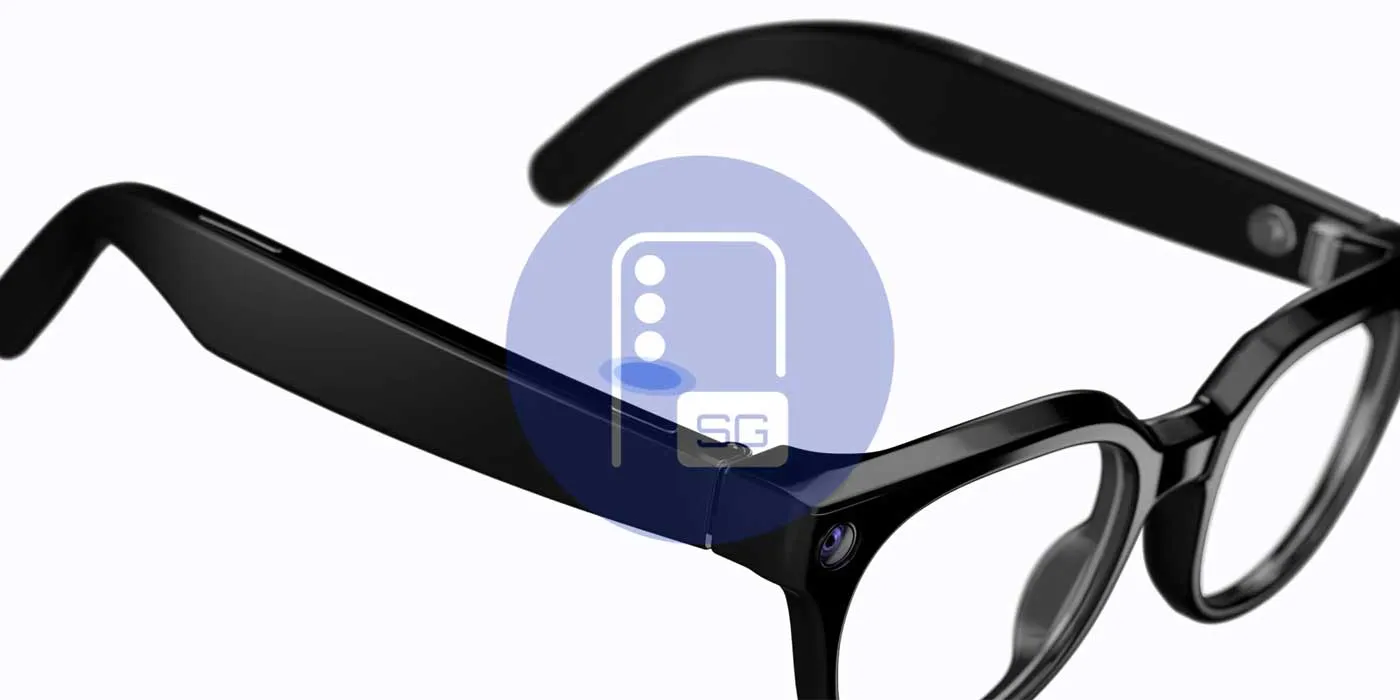
Samsung Galaxy Glasses, at least in the Warby Parker variant shown in the leaks, look strikingly similar to Meta’s Ray-Ban smart glasses. You’ve got a wayfarer-style lens shape, a slightly glossy finish on the frames, and a generally understated aesthetic that could pass as ordinary eyewear — which is, of course, the whole point. Nobody wants to walk around looking like they’re wearing a piece of lab equipment.
The comparison to Meta doesn’t end at the shape. The control scheme maps almost directly onto what Meta built with Ray-Ban: a touchpad sensor on the right arm near the temple handles media playback and volume. Swipe with one finger or two fingers and the glasses respond accordingly. It’s intuitive, low-friction, and — again — very Meta. Whether that’s convergent design thinking or deliberate imitation is a question worth asking, but the result is a product that will feel instantly usable to anyone already in that ecosystem.
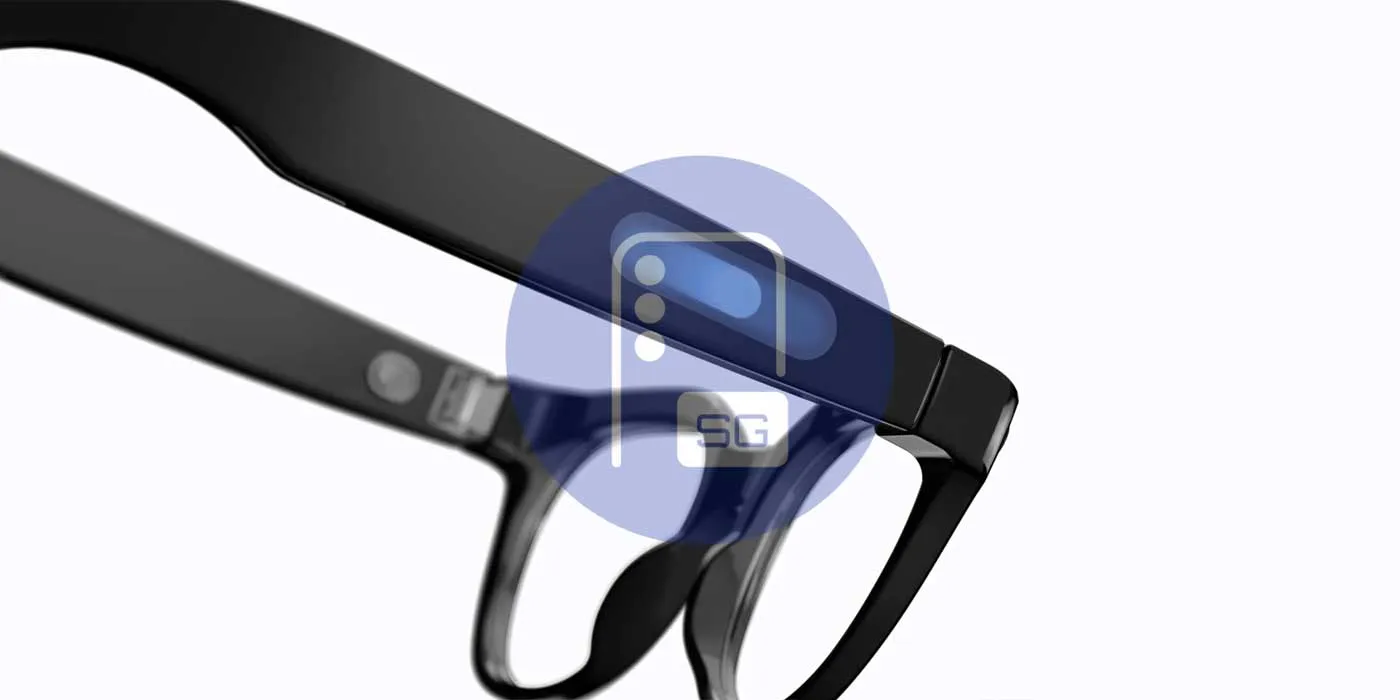
One notable difference is build profile. Meta’s display-equipped Ray-Ban models carry a visible amount of bulk to house the waveguide hardware. Samsung Galaxy Glasses look considerably slimmer in the leaked footage — and that’s almost certainly because they don’t have an in-lens display. It’s a trade-off. Slimmer, lighter, and more wearable day-to-day versus the added utility of a heads-up overlay. For a first-generation product targeting mainstream adoption, Samsung’s call here makes sense, even if it leaves power users wanting more.
Camera Controls and Privacy — Samsung’s LED Solution
The leaked how-to animations pay particular attention to the camera. A dedicated shutter button sits on the top of the right arm: press it once to take a photo, hold it down to start recording video. Straightforward enough. What’s more interesting is how Samsung is handling the privacy question that has dogged wearable cameras since Google Glass made headlines for all the wrong reasons back in 2013.
Samsung Galaxy Glasses include two LED indicators. One faces outward, lighting up to alert people nearby that recording is in progress. The other faces inward, so the wearer knows the camera is active. It’s a sensible dual approach, and it mirrors what Meta implemented on Ray-Bans after early criticism about the near-invisible nature of the camera indicator. Meta made a point of emphasising the LED warning light when it launched its second-generation Ray-Ban smart glasses in 2023, and the wider industry has clearly taken note. Regulators in several jurisdictions are paying close attention to wearable cameras, so building visible recording indicators into the hardware from day one is the pragmatic move.
Samsung Galaxy Glasses and the Android XR Ecosystem
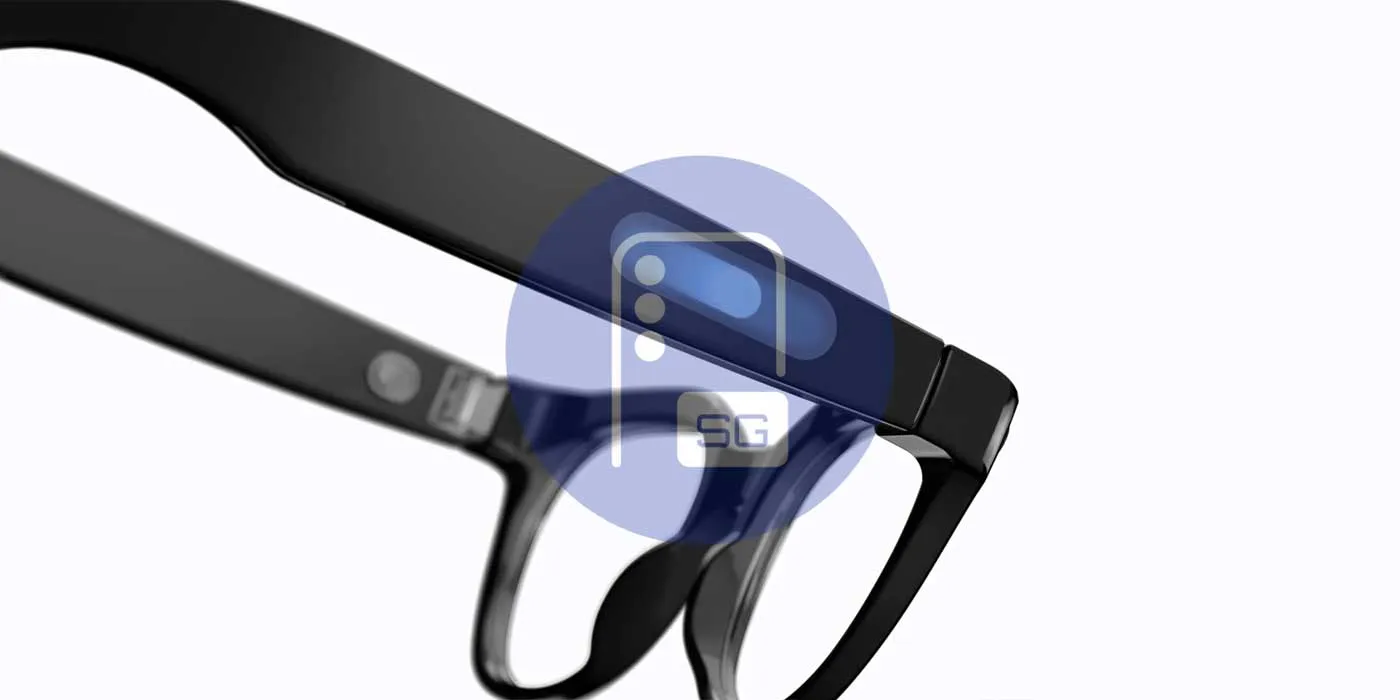
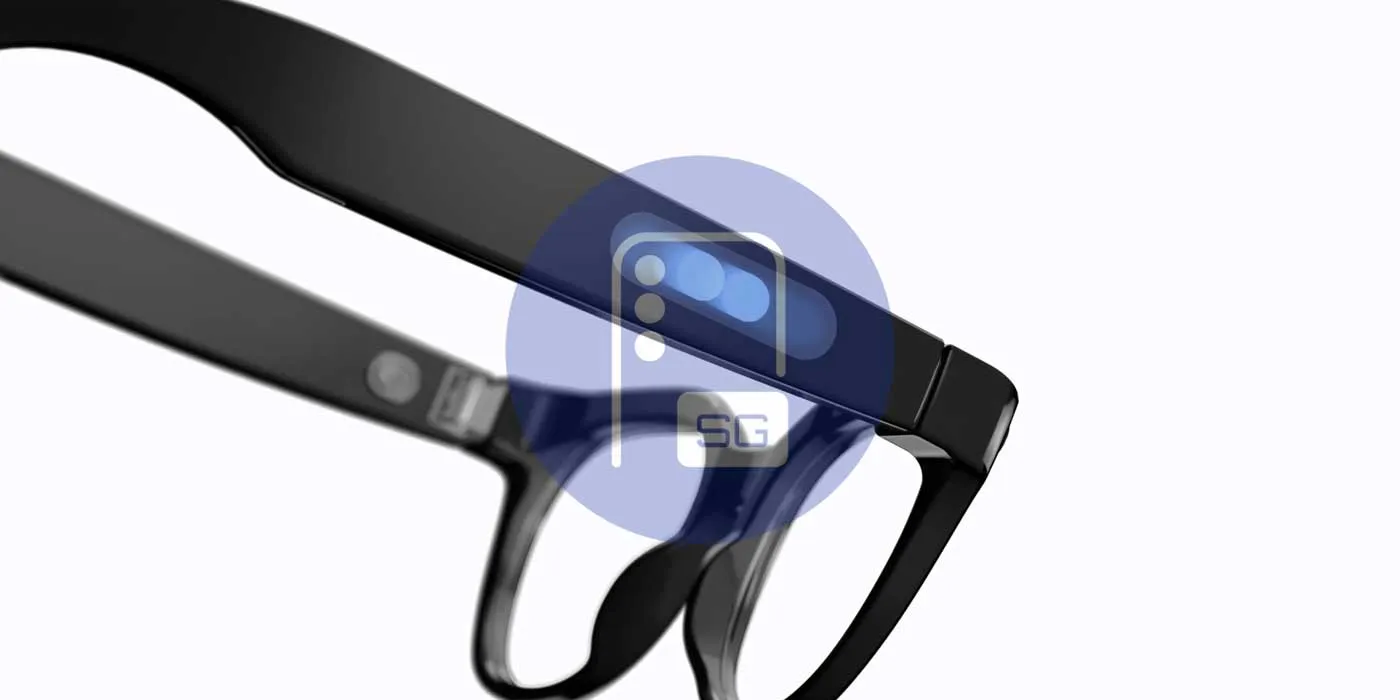
These glasses don’t exist in isolation. They’re part of Samsung’s broader Android XR push, a platform the company is developing in partnership with Google. The leaked clips include glimpses of Now Bar integration — a feature introduced on Samsung’s Galaxy S25 series — where captured images and videos from the glasses appear directly on a paired Galaxy phone. It’s the kind of tight hardware-software loop that Apple has spent years perfecting between its own devices, and Samsung is clearly trying to build something similar.
The companion app shown in earlier leaks runs on One UI XR, Samsung’s skin over Android XR designed specifically for Samsung Galaxy Glasses. Think of it the way you’d think of One UI on Galaxy phones: Android underneath, Samsung’s own layer on top, with extra features that don’t exist on stock Android. The platform architecture here matters. Samsung Galaxy Glasses will technically work with any Android handset — the company has been explicit about that — but the full feature set, including Now Bar and presumably deeper AI integration down the line, will be tethered to Samsung’s own Galaxy devices.
That’s a familiar strategy. It keeps existing Samsung customers locked into the ecosystem while still allowing the product to market itself as broadly compatible. Whether Android users on Pixel or OnePlus will feel shortchanged remains to be seen, but the precedent from products like Galaxy Buds suggests the core functionality will be solid across the board, even if some headline features stay exclusive.
Warby Parker, Gentle Monster, and the Fashion Play
Samsung isn’t going it alone on frames. The leaked videos specifically show the Warby Parker version of the hardware, and Google and Samsung have separately confirmed a partnership with Gentle Monster — the Korean eyewear brand known for its high-fashion, often avant-garde designs. This multi-brand approach is smart. It acknowledges something Meta has also learned: smart glasses live or die on whether people actually want to wear them in public.
Warby Parker brings American mainstream credibility and a loyal direct-to-consumer base. Gentle Monster brings genuine fashion cachet and reach into markets where design-forward aesthetics carry serious weight, particularly across East Asia. Between the two, Samsung is hedging across style demographics rather than betting everything on a single frame design. The underlying tech in Samsung Galaxy Glasses — the touchpad, the camera button, the LED indicators — will presumably remain consistent across hardware partners, with the frame shape and materials varying by brand.
It also creates a natural upgrade path and product range without Samsung having to develop multiple hardware SKUs internally. Clever, and it keeps manufacturing complexity manageable while giving consumers real choice.
What’s Still Missing — and What Comes Next
The elephant in the room is the display. Samsung has confirmed that future Android XR devices will include in-lens displays, but the first wave of Samsung Galaxy Glasses won’t have one. That puts them squarely in the ‘audio and camera companion’ category alongside Ray-Bans, rather than in the heads-up display territory that products like the Snap Spectacles or older Google Glass prototypes were reaching for.
That’s not necessarily a bad thing. The market has repeatedly demonstrated that consumers are far more willing to wear devices that look like regular glasses than anything with visible hardware protruding from the lens. But it does mean Samsung Galaxy Glasses represent a relatively conservative first release — a way of establishing a user base and brand familiarity with the form factor before the harder engineering work of cramming a waveguide display into something that still weighs less than 40 grams.
The charging case, which surfaced in earlier leaks, already hinted at how Samsung is thinking about the full product experience — and it’s substantial in size, suggesting meaningful battery capacity for extended use. Given that audio playback and a camera are the primary draws, battery life will be a critical differentiator against Meta’s Ray-Bans, which have faced criticism for their limited run time on earlier hardware revisions.
Samsung hasn’t announced an official launch date or pricing for Samsung Galaxy Glasses. But between the how-to animations, the companion app, the case design, and now these detailed leaked clips, it’s clear the product is well past early development. The question isn’t really whether Samsung Galaxy Glasses will ship — it’s whether Samsung can turn a solid hardware concept into something that actually changes how people interact with their phones day-to-day. Given what Meta has managed to build with Ray-Bans — and the surging industry investment in AI-powered wearables more broadly — the timing couldn’t be more pointed.
Frequently Asked Questions
Do Samsung Galaxy Glasses have a display built in?
The current leaked model does not include a waveguide display. Samsung has confirmed that in-lens displays are planned for later Android XR devices, but the first Galaxy Glasses appear to be camera and audio-focused, similar to Meta’s Ray-Ban glasses.
Which frame brands are partnering with Samsung for Galaxy Glasses?
Samsung is working with both Warby Parker and Gentle Monster on Galaxy Glasses frames. The leaked videos show the Warby Parker model, though Google and Samsung intend to offer multiple hardware styles across partner brands.
How do you control Samsung Galaxy Glasses?
A touchpad sensor on the right arm handles volume and media playback via single or two-finger swipes. A dedicated shutter button on the top of the right arm takes photos on a single press, and starts video recording when held down.
Will Samsung Galaxy Glasses work with non-Samsung Android phones?
Yes. Samsung Galaxy Glasses are designed to pair with any Android device. However, tighter software integration — including Now Bar support, where captured media surfaces directly on a paired phone — will be exclusive to Samsung’s Galaxy lineup.

