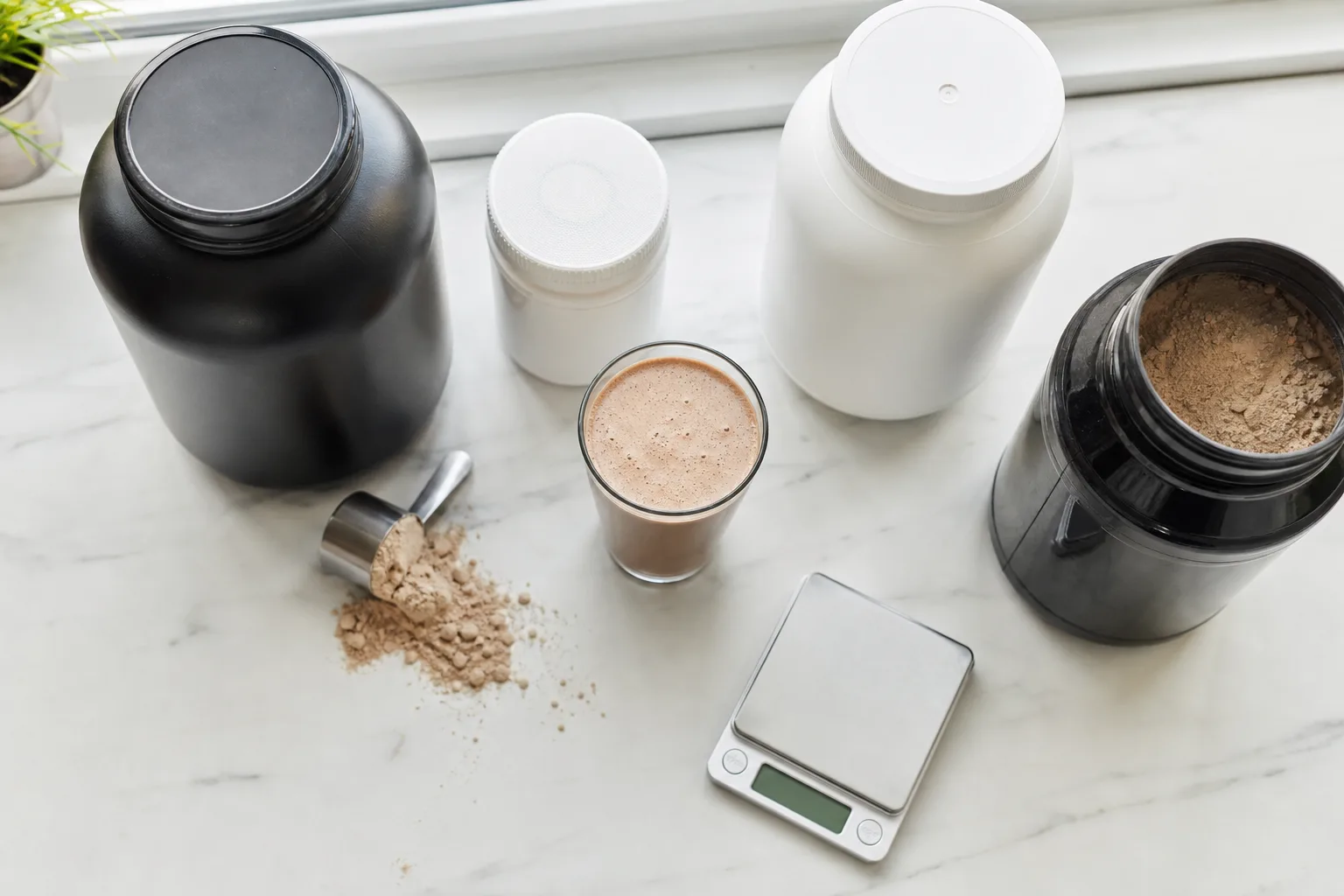
The best protein powders in 2026 don’t look anything like the chalky, single-flavour tubs that lined gym shelves a decade ago. The category has grown into a sprawling, sophisticated market serving everyone from endurance athletes to busy parents trying to hit their daily nutrition targets — and the sheer volume of options makes choosing the right one genuinely difficult. After three years of hands-on testing across dozens of products, here’s what actually holds up.
- The best protein powders now go far beyond gym culture — they’re mainstream nutritional tools for almost any diet or lifestyle.
- Choosing the best protein powders means checking for third-party testing certifications like NSF Certified for Sport or Informed Choice.
- Every top pick should be a complete protein, meaning it contains all nine essential amino acids your body can’t produce on its own.
- Options range from ultra-clean single-ingredient caseins to dessert-flavoured wheys — but longer ingredient lists often come with trade-offs.
Table of Contents
Why Protein Powder Is No Longer Just for the Gym
There was a time when reaching for a protein supplement put you firmly in the ‘meathead’ demographic. That era is over. The U.S. protein supplement market is now worth billions, driven by a much broader consumer base — vegans, older adults focused on muscle retention, people recovering from illness, and anyone whose diet simply doesn’t cover their bases on a given day. The best protein powders today are formulated with all of these users in mind.
The official recommended daily allowance sits at just 0.36 grams per pound of body weight, but that figure is widely misunderstood. It’s the minimum needed to avoid deficiency, not a target for good health or performance. Active individuals and older adults typically need considerably more, and that gap is exactly where protein powders earn their place in a daily routine.
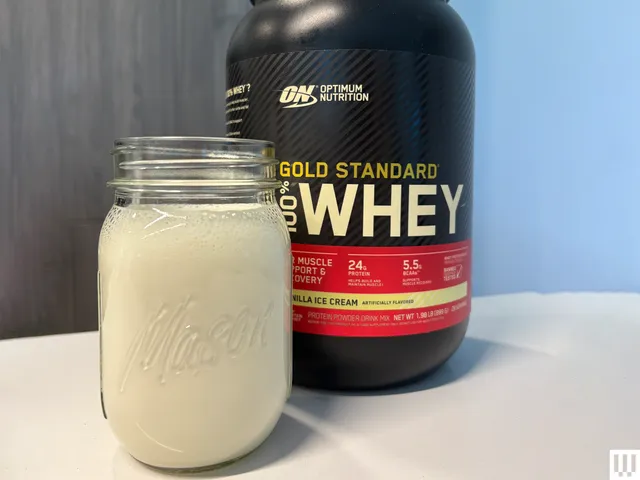
The best protein powders also serve a surprisingly versatile culinary role. They’re not just for shaker bottles — they fold into muffin batter, blend into smoothies, and stir into oats without ruining the texture, provided you pick the right one. That versatility is a big part of what’s driven mainstream adoption.
How to Separate the Good From the Gimmicks
Walk into any supplement retailer and you’ll be confronted with an overwhelming array of products making nearly identical claims. The difference between a solid choice and a waste of money often comes down to a few key factors that most marketing conveniently glosses over. Knowing what to look for in the best protein powders saves both time and money.
Third-party certification is non-negotiable. Certifications like NSF Certified for Sport and Informed Choice exist precisely because the supplement industry isn’t subject to the same pre-market scrutiny as pharmaceuticals. An NSF or Informed Choice stamp means an independent lab has verified the product contains what it claims and is free from banned substances — a genuine assurance, not just marketing copy.
Complete protein status matters. Any powder worth recommending should supply all nine essential amino acids — the ones your body can’t synthesise on its own. Many plant-based powders blend multiple protein sources specifically to achieve this, and any product that can’t confirm a complete amino acid profile isn’t doing its job properly.
Ingredient transparency is a red flag revealer. A long, convoluted ingredient list isn’t always disqualifying, but it warrants scrutiny. Unnecessary fillers, gums, and sweeteners of questionable origin regularly appear in mass-market tubs. Titanium dioxide — a whitening pigment already banned as a food additive in Europe — still appears in some popular flavoured whey products sold in the US. That’s a genuine concern, not paranoia.
The Best Protein Powders Worth Your Money
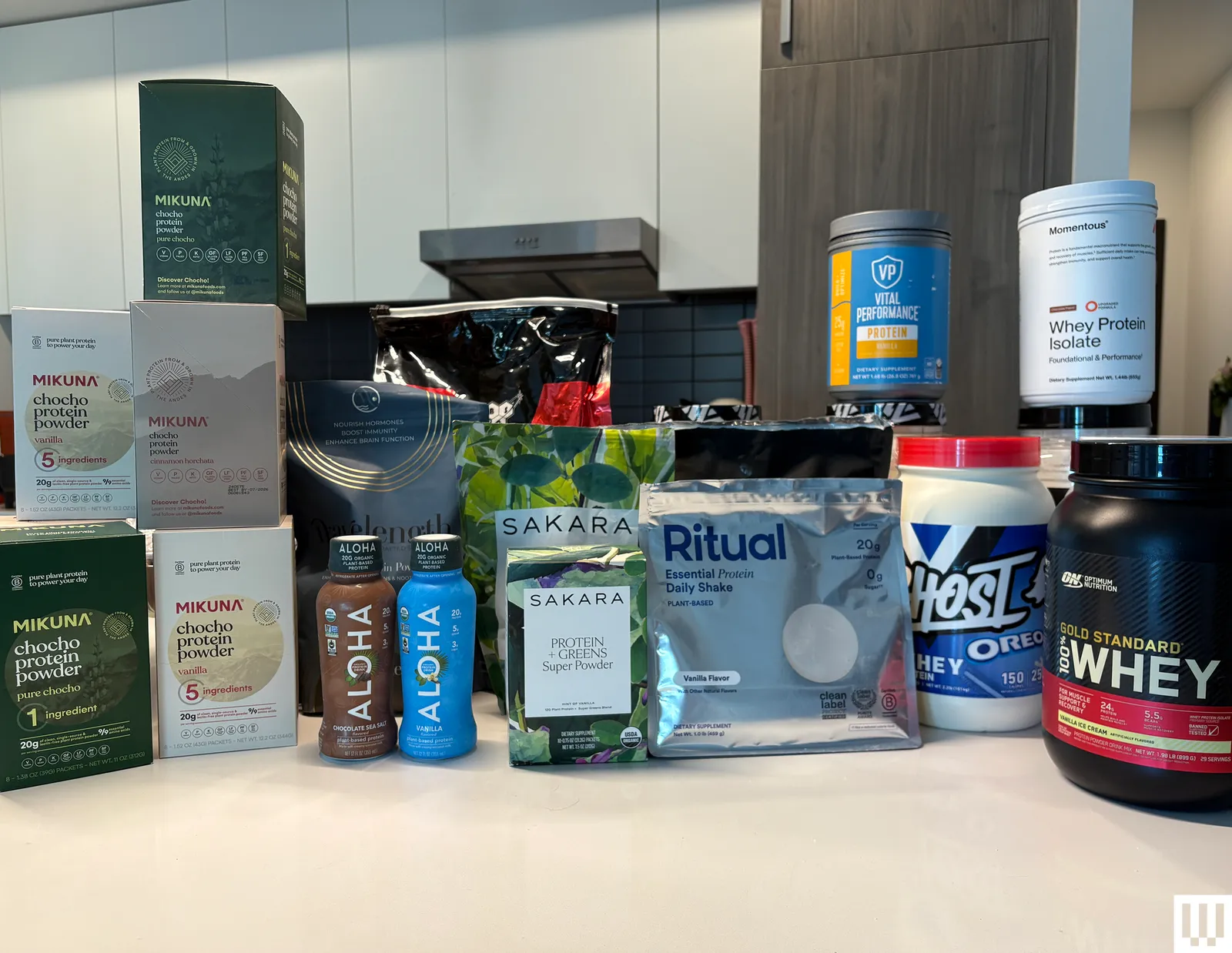
Here’s where things get specific. The picks below emerged from extensive testing — each powder sampled at least three times, mixed with water, dairy milk, and non-dairy alternatives, and tested in baked goods and blended drinks. Solubility, taste, texture, and sourcing transparency were all weighed alongside the nutritional profile. These are, in our assessment, the best protein powders currently available across a range of use cases.
Ghost Whey: The Dessert Option With Trade-Offs
Ghost Whey Protein Powder has built a loyal following by making post-workout nutrition taste like junk food. Flavours inspired by Trix cereal, Cinnabon, and coffee ice cream have made it one of the most popular wheys on the market, and the taste testing backs that up — 25 grams of protein per scoop, and it mixes well in shakes and oats. Among the best protein powders aimed at flavour-first consumers, Ghost Whey is hard to ignore.
But the ingredient list tells the fuller story. Gums, high-fructose corn syrup, and — in some flavours — titanium dioxide make this a less appealing choice for anyone prioritising clean nutrition. It’s undeniably enjoyable, but enjoyment and quality aren’t always the same thing.
Naked Casein: As Clean as It Gets
Naked Casein is the rare single-ingredient supplement that lives up to its minimalist branding. The entire product is micellar casein sourced from hormone-free skim milk — nothing else. No artificial sweeteners, no gums, no additives of any kind. It’s cold-processed to preserve quality, independently tested for heavy metals and gluten, and delivers 26 grams of protein alongside 618 milligrams of calcium per serving — roughly 48 percent of the recommended daily value. For shoppers searching for the best protein powders with the shortest ingredient lists, Naked Casein belongs at the top.
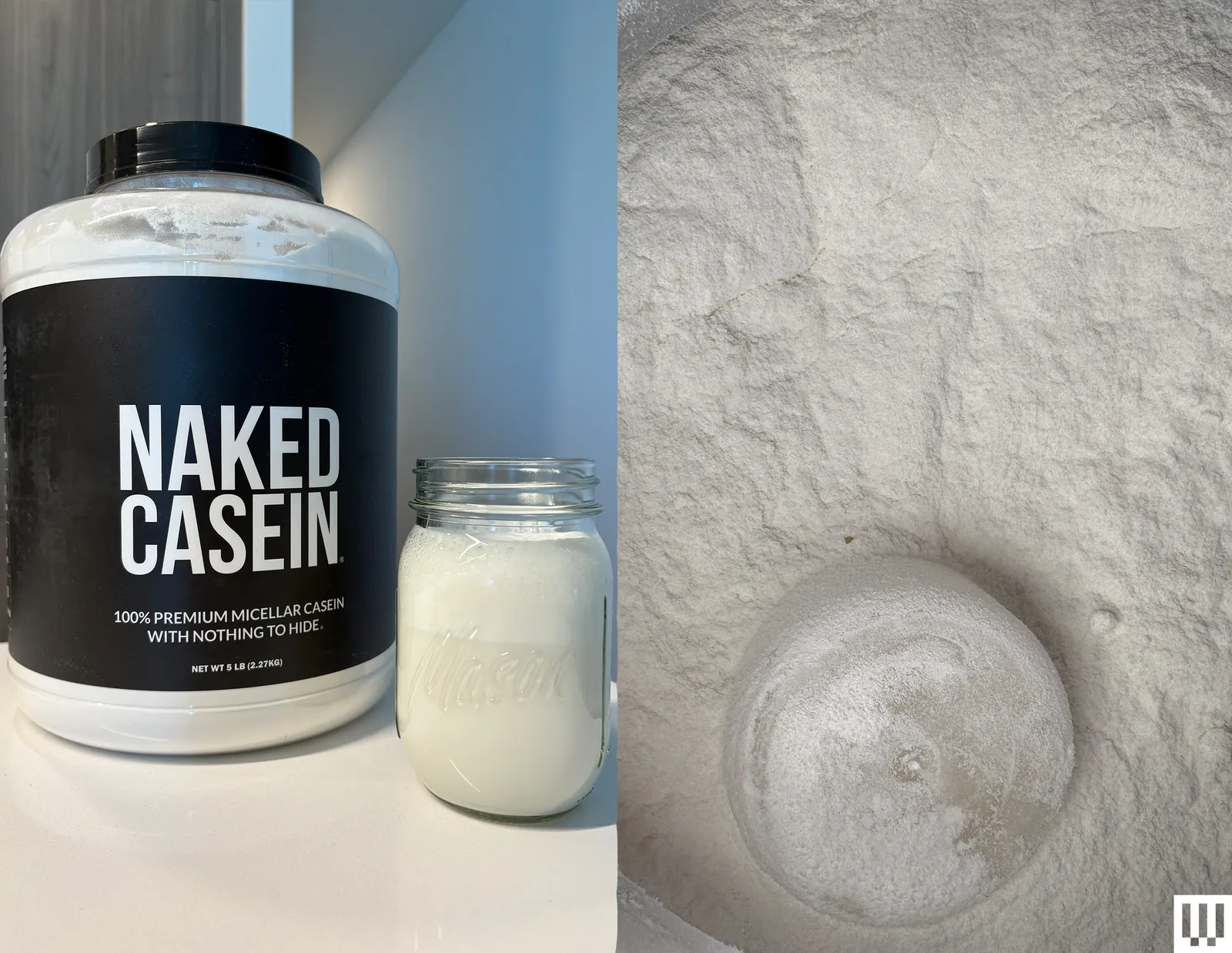
The catch? Casein without emulsifying lecithin doesn’t dissolve easily. A blender is essentially mandatory. And the taste, even blended, is an acquired one — some testers couldn’t get past it. Naked Casein is excellent if you’re after purity; it’s less ideal if palatability is a priority.
Seeq Clear Protein: The Juice-Style Wildcard
Clear protein powders have been quietly gaining traction, and Seeq is one of the better executions of the format. Mixed with water, it resembles a lightly flavoured sports drink rather than a milkshake — a meaningful distinction for anyone who’s ever found thick, dairy-based shakes hard to stomach, especially after exercise.
At 22 grams of protein and 4.5 grams of branched-chain amino acids per serving with zero sugar, the nutritional profile is solid. The watermelon flavour, in particular, is genuinely pleasant. Two real drawbacks: the price point is higher than most traditional powders, and it takes an unusually long time to dissolve — plan on using a frother or committing to significant shaking time. As the best protein powders in the clear-format category go, Seeq is a strong contender despite those caveats.
Sakara Protein + Greens: The All-in-One Compromise
Sakara’s Protein + Greens Super Powder blends pea, hemp, and pumpkin proteins with a ‘super greens’ mix that includes spirulina, wheatgrass, barley grass, and chlorella. At 17 grams of protein per serving, it falls three grams short of the 20-gram benchmark many nutrition professionals point to as the minimum for meaningful muscle protein synthesis. It also lands at a higher price per serving than many comparable plant-based options.
That said, it earns its place on days when vegetable and protein intake are both falling short. Mixed into a smoothie with Greek yoghurt — which adds another 18 grams of protein by itself — it’s an efficient nutritional top-up without requiring a second supplement purchase.
BSN True-Mass: For the Serious Bulking Phase
BSN True-Mass Weight Gainer is a different category of product entirely. A single serving delivers 1,200 calories, 50 grams of protein, and 215 grams of carbohydrates across a protein blend that includes whey concentrate, casein, milk protein isolate, whey isolate, hydrolysed whey isolate, and micellar casein. That’s a deliberately engineered mix of fast and slow-digesting proteins designed for people in structured bulking programmes who genuinely struggle to hit calorie targets through food alone.
The strawberry milkshake flavour is genuinely good. But two scoops at 310 grams per serving is a substantial commitment — this isn’t something you add to a shaker bottle and toss in a gym bag. BSN True-Mass is a specialist tool, not an everyday supplement, and it should be approached as such.
The Bottom Line on Picking the Right Powder
The best protein powders for you depend entirely on what you’re optimising for. Purity? Naked Casein is hard to beat. Taste with reasonable nutrition? Ghost Whey delivers, with caveats. Plant-based and ingredient-conscious? A well-formulated pea-hemp-pumpkin blend gets the job done. Novel format? Clear proteins like Seeq are worth trying.
What the market’s expansion has made clear is that the best protein powders are no longer a one-size-fits-all category — and the industry’s growing willingness to serve niche dietary preferences has broadly been a positive development. The flip side is that more products mean more noise, more dubious marketing claims, and more opportunities to spend significant money on something that doesn’t actually serve your needs.
Third-party certification remains the clearest signal of a trustworthy product in a market that regulators haven’t fully caught up with. As the supplement space continues attracting investment and new entrants — particularly in the plant-based and ‘functional nutrition’ segments — that independent verification layer is only going to matter more, not less. Buyers who understand that distinction will consistently make better choices than those chasing the flashiest label on the shelf.
Frequently Asked Questions
What should I look for when buying the best protein powders?
Prioritise third-party certifications like NSF Certified for Sport or Informed Choice, minimal additives, and complete protein status — meaning all nine essential amino acids are present. Solubility and sourcing transparency also matter. Always check the ingredient list for unnecessary gums, fillers, or questionable sweeteners before buying.
How much protein do I actually need per day?
The official recommended daily allowance is 0.36 grams per pound of body weight, but that’s the floor to avoid deficiency — not the optimal intake. Active people, athletes, and those with specific dietary needs often require significantly more. A registered dietitian can give you a personalised target.
Are plant-based protein powders as effective as whey?
They can be, provided the blend is a complete protein with all nine essential amino acids. A combination of pea, hemp, and pumpkin protein — like Sakara’s Protein + Greens — covers the full amino acid profile. The source notes the blend is bolstered by additional greens, though individual results will vary.
What is a mass gainer protein powder and who needs one?
Mass gainers like BSN True-Mass pack high calories — up to 1,200 per serving — alongside protein and carbohydrates to help people struggling to hit daily calorie goals or trying to build significant muscle mass. They’re not designed for casual use and are best suited to people in structured strength or bulking programmes.