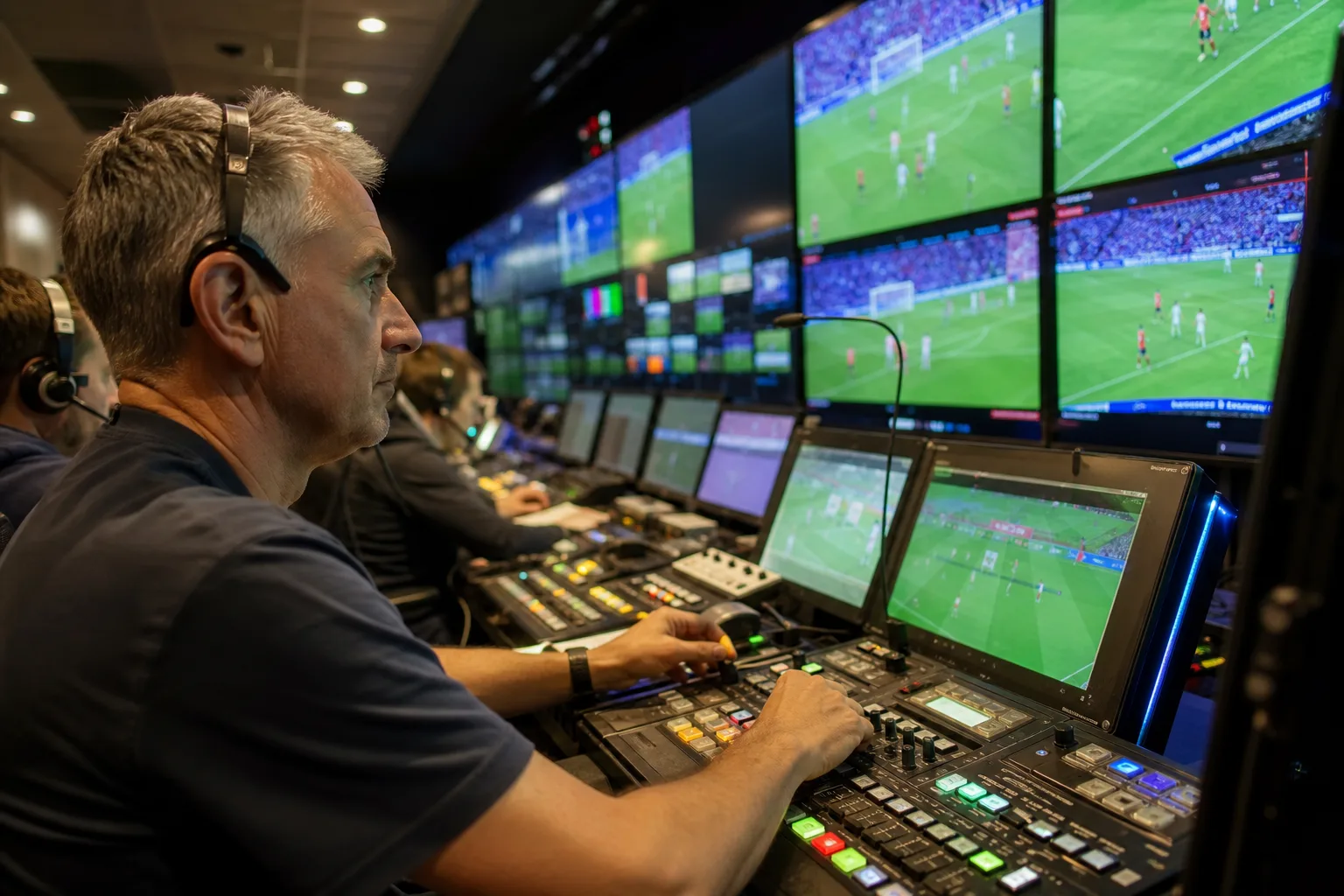
A FIFA World Cup bug has exposed a genuinely alarming gap in the security infrastructure protecting the biggest sporting event on the planet. A security researcher known online as BobDaHacker revealed this week that she was able to take complete control of the live television broadcast for every World Cup match — simultaneously — thanks to a straightforward flaw in FIFA’s backend systems that should never have made it anywhere near production.
- The FIFA World Cup bug allowed a researcher to fully control live TV broadcasts for every match being played simultaneously.
- The FIFA World Cup bug stemmed from an API that failed to verify whether users held the proper authorization to access internal systems.
- Researcher BobDaHacker gained initial access simply by registering as a player agent on FIFA’s official platform.
- FIFA quietly patched the flaw within hours of the report but never acknowledged the researcher’s disclosure.
Table of Contents
How the FIFA World Cup Bug Was Discovered
The entry point was almost embarrassingly simple. BobDaHacker registered a legitimate account on FIFA’s official player agent registration platform — the same portal that football agents around the world use to manage their credentials and licensing. No hacking, no credential stuffing, no zero-days. Just a standard account signup.
From there, things got more serious. FIFA’s backend API, it turned out, wasn’t properly verifying whether a given user account actually had the authorization to access the internal systems it was connecting to. This class of vulnerability — known in the security industry as Broken Object Level Authorization, or BOLA — consistently ranks near the top of the OWASP API Security Top 10. It’s not exotic. It’s not sophisticated. It’s the kind of flaw that a thorough security review should catch before launch.
Yet here it was, sitting in a system managing one of the most-watched live events in human history. The FIFA World Cup bug is a textbook example of how a basic authorization failure can have catastrophic real-world consequences.
What Full Access Actually Meant
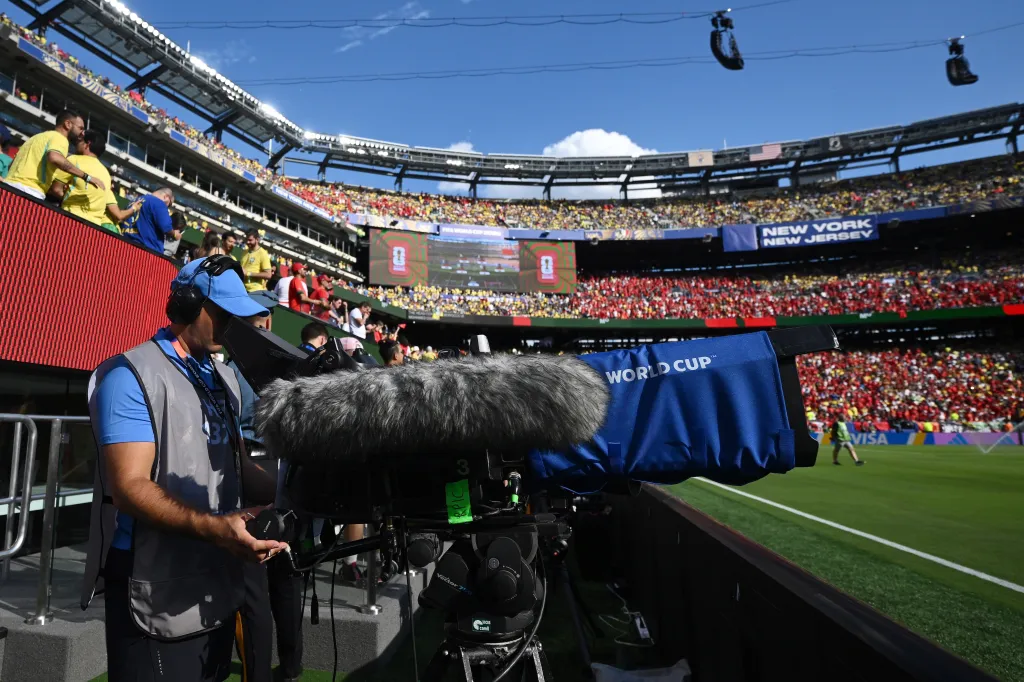
The FIFA World Cup bug didn’t just expose some administrative dashboard or an internal spreadsheet. BobDaHacker says she gained access to the platform that broadcasters use to control what appears on television screens around the globe — and on the monitors in front of commentators as they narrate live matches. That’s not a minor data exposure. That’s operational control of the broadcast itself.
In her blog post published on Tuesday, BobDaHacker was direct about the implications:
“A single attacker could hijack every camera simultaneously. An attacker could have rickrolled the entire FIFA World Cup.”
The rickroll reference is deliberately playful, but the underlying point is dead serious. Someone with malicious intent — a rival nation-state, a troll with a grudge, or simply an opportunist — could have replaced live match footage with anything they wanted, for every game, all at once. The potential for chaos, reputational damage, and financial fallout for FIFA and its broadcast partners is difficult to overstate. Broadcasters pay hundreds of millions of dollars for World Cup rights. The idea that a single unauthorized user could manipulate what those rights actually deliver is a nightmare scenario for rights holders.
FIFA’s Response — and Its Silence
BobDaHacker reported the FIFA World Cup bug on Tuesday night, Japan time. FIFA patched it within a few hours. That turnaround, at least, is commendable — critical infrastructure vulnerabilities getting fixed quickly during an active event is exactly what should happen.
What’s less commendable is everything else about FIFA’s handling of the situation. The organization never acknowledged BobDaHacker’s report. There was no thank-you, no confirmation that the issue had been received, no communication of any kind. FIFA also didn’t respond to press requests for comment. This is a pattern the security community knows well — a quiet fix followed by institutional silence, hoping the story doesn’t spread too far.
The problem with that approach is that it actively discourages responsible disclosure. Researchers who find critical vulnerabilities in high-profile systems have a choice: report it privately, sell it, or go public immediately. The fact that BobDaHacker chose the responsible path — reporting to FIFA before publishing — and received no acknowledgment in return is exactly the kind of outcome that makes other researchers think twice before doing the same.
FIFA doesn’t appear to run a formal bug bounty program of the kind operated by companies like Google, Microsoft, or Apple, where researchers are financially rewarded for finding and reporting flaws. Without that kind of structured incentive, FIFA is essentially relying on the goodwill of researchers while offering nothing in return — not money, not credit, not even a polite email. That silence is particularly damaging when the FIFA World Cup bug in question posed a threat to global broadcast infrastructure.
The FIFA World Cup Bug in a Broader Security Context
It would be tempting to treat this as a one-off embarrassment — a single flaw in a complex system under time pressure. But that framing lets FIFA off too easily. This wasn’t a sophisticated attack surface. The vulnerability was in a core API, and it was triggered by a standard user account. The kind of authorization checks that were missing here are considered table stakes in API security. They’re not advanced hardening — they’re the basics.
Major sporting events have become increasingly attractive targets for exactly this kind of probe. The 2018 Winter Olympics in Pyeongchang saw its opening ceremony disrupted by the ‘Olympic Destroyer’ malware. The Tokyo 2020 Games prompted significant concern about cyberattacks on Olympic infrastructure. The scale and global visibility of these events, combined with the compressed timelines and complex vendor ecosystems involved in running them, creates fertile ground for security gaps.
FIFA’s 2026 World Cup — spread across the United States, Canada, and Mexico — involves an exceptionally large and distributed technical footprint. Broadcast operations, accreditation systems, ticketing platforms, player databases, and media infrastructure all have to be stood up and integrated, often under enormous time pressure. That environment tends to produce exactly the kind of authorization mistakes BobDaHacker found. Each undiscovered FIFA World Cup bug in that ecosystem represents a potential entry point for a far less responsible actor.

What Should Have Been in Place
The fix for the FIFA World Cup bug, once identified, was apparently implemented quickly — which suggests the underlying code structure could support proper authorization checks. The question is why those checks weren’t there in the first place.
Proper API security at this scale should include role-based access control enforced server-side on every endpoint, regular penetration testing specifically targeting authorization logic, and strict separation between publicly accessible registration platforms and internal operational systems. If a player agent account — the kind any licensed agent in world football can obtain — can reach broadcast control infrastructure, something has gone seriously wrong in the system architecture, not just in a single line of code.
There’s also a question of third-party involvement. FIFA doesn’t build all of its technology in-house. Broadcast management platforms at this level are typically supplied by specialist vendors, and the security posture of those systems is only as strong as the contracts and oversight that FIFA demands. Whether this particular flaw originated with FIFA’s internal team or a vendor integration isn’t yet clear.
What is clear is that the 2026 World Cup has now produced a documented case study in how not to secure critical broadcast infrastructure. With the tournament still in progress and billions of viewers tuning in across the globe, it’s worth asking what else might be sitting behind a similarly inadequate authorization check — and whether the next researcher to find a FIFA World Cup bug will be as responsible as BobDaHacker was.
Frequently Asked Questions
What exactly was the FIFA World Cup bug that affected TV streams?
The FIFA World Cup bug was a broken authorization flaw in FIFA’s backend API. It failed to check whether a logged-in user actually had permission to access internal systems, including the broadcast control platform. A researcher exploited it simply by creating a legitimate player agent account.
Could the FIFA World Cup bug have disrupted live matches that viewers watched on TV?
Yes. According to the researcher, the flaw gave access to the system controlling what appears on TV screens worldwide and on commentators’ monitors during live matches. A single attacker could theoretically have hijacked every camera feed simultaneously.
How did FIFA respond to the security disclosure?
FIFA patched the vulnerability within a few hours of BobDaHacker’s report but did not publicly acknowledge the researcher’s disclosure. FIFA also did not respond to press requests for comment about the incident.
What is broken object level authorization and why does it matter?
Broken object level authorization, or BOLA, is one of the most common and dangerous API security flaws. It occurs when an application fails to verify that a user is actually permitted to access a specific resource, allowing attackers to access data or controls belonging to other users or restricted systems.