

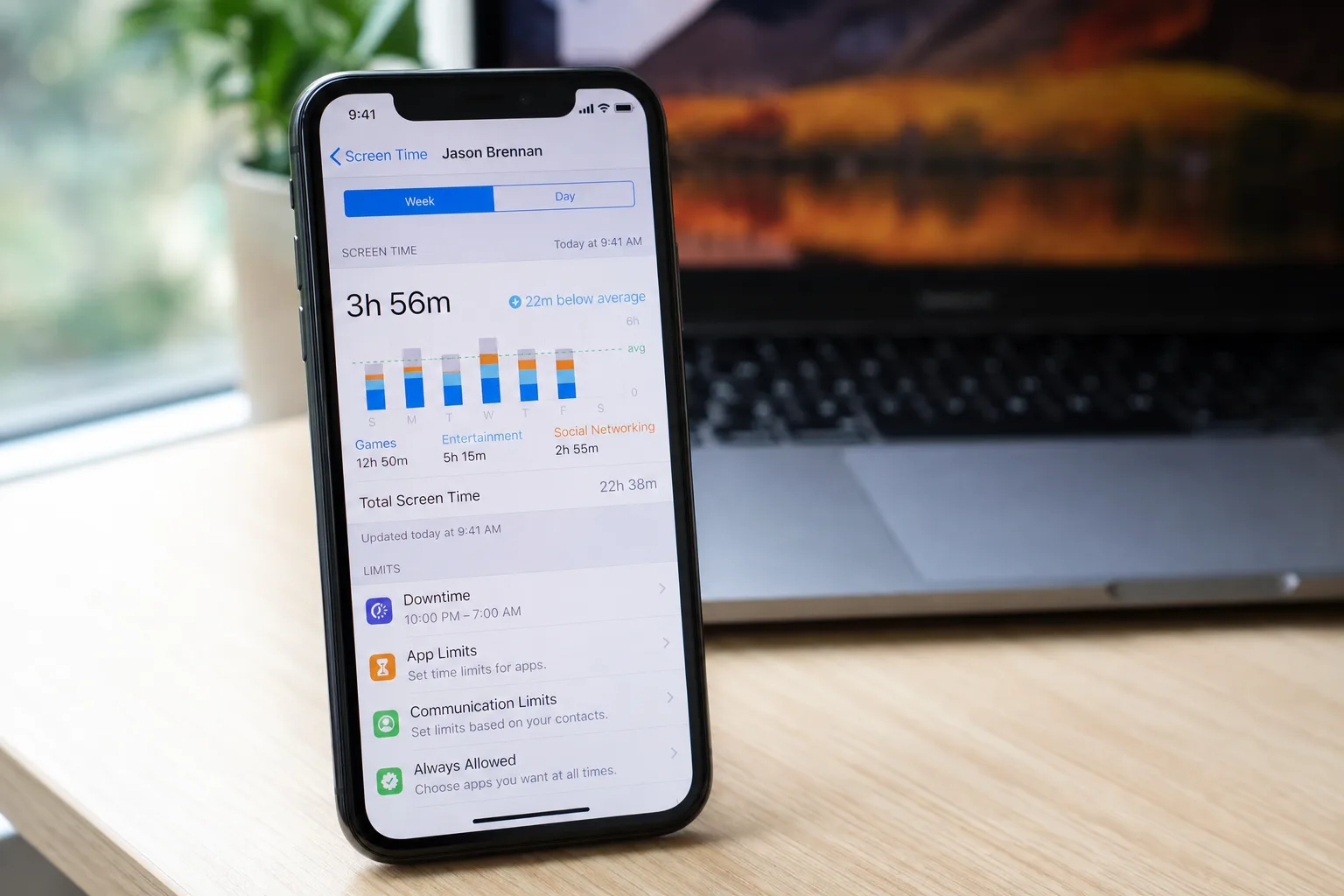
Apple’s iOS 27 is shaping up to be a meaningful release for families — and for anyone frustrated with how little the company’s Screen Time and child safety tools have evolved over the past few years. The first beta is already surfacing a batch of genuinely useful changes, from overhauled parental controls to a new dictation feature that Apple, for whatever reason, decided to ship switched off. And over on the Mac side, macOS 27 is expanding iPhone Mirroring in ways that push the platform’s continuity story forward in a real way.
- Apple’s Screen Time and child safety overhaul in iOS 27 delivers parental control improvements that have been years in the making.
- The Screen Time and child safety updates arrive alongside three major iPhone Mirroring upgrades in macOS 27.
- iOS 27 beta 1 includes a new dictation feature that ships turned off by default, requiring a manual toggle to activate.
- MacOS 27 expands iPhone Mirroring capabilities significantly, deepening the connection between Apple’s Mac and iPhone ecosystems.
Table of Contents
Screen Time and Child Safety Get the Overhaul They Deserved
Let’s be honest: Apple’s Screen Time and child safety features have needed serious attention for a while. Since Screen Time launched, parents have complained loudly — in Apple’s own feedback channels, in app reviews, across parenting forums — that the controls are too easy for determined kids to circumvent, too clunky to manage across multiple devices, and too limited compared to what third-party apps like Bark or Qustodio have been offering for years. Apple has made incremental tweaks, but nothing that felt like a genuine rethink.
iOS 27 appears to change that. Apple is treating Screen Time and child safety as a priority update this cycle, not just a footnote in a long list of OS changes. The specific mechanics are still being mapped by developers combing through the first beta, but the signals are clear: this is a substantive upgrade, not another round of marginal improvements. For parents who’ve been holding out hope that Apple would take family device management seriously, this is what they’ve been waiting for.
The timing isn’t accidental. Pressure on tech companies to do more around children’s online safety has been building from multiple directions — regulators in the US and EU have pushed harder on children’s data and digital wellbeing, and Apple has faced pointed criticism for being slow to act despite positioning itself as the privacy-first platform. Shipping a real Screen Time and child safety upgrade in iOS 27 is both the right call and, frankly, a smart defensive move before regulators start mandating specifics.
What iPhone Mirroring Gets in macOS 27
Apple introduced iPhone Mirroring with macOS Sequoia — the ability to see and control your iPhone directly from your Mac, no picking up the phone required. It was a genuinely clever feature when it launched, but it also arrived with some obvious gaps. You couldn’t drag files between iPhone and Mac, certain iPhone interactions felt sluggish, and the feature’s polish didn’t quite match the ambition behind it.
macOS 27 addresses that with three notable upgrades to iPhone Mirroring. The details are still being confirmed as developers work through the beta, but the direction is clear: Apple wants the Mac-to-iPhone experience to feel less like remote access and more like a natural extension of working across both devices simultaneously. That’s a meaningful distinction. Remote access is a workaround. Seamless continuity is a product vision.
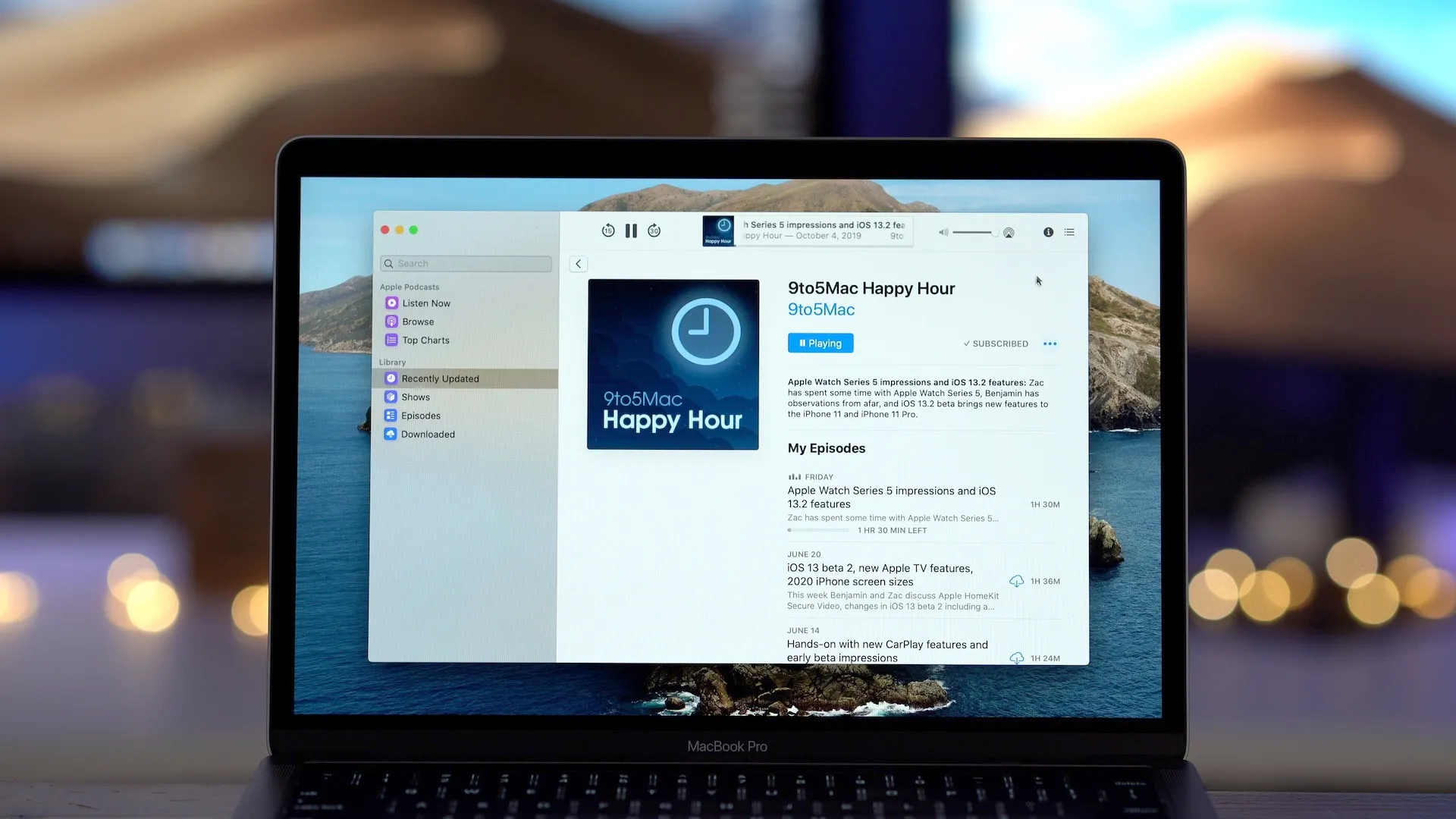
For professionals who live in both worlds — working on a Mac but fielding texts, notifications, and app tasks on iPhone — this matters. Every time you have to physically switch between devices, you lose a thread. The more Apple can keep that work context intact within a single screen, the more the Mac and iPhone start to feel like one unified computing environment rather than two separate products you happen to own from the same company.
The Dictation Feature That Hides Itself
iOS 27 beta 1 also includes a revamped dictation feature — and in a slightly unusual move, Apple has shipped it off by default. That means users who update to the beta won’t see any change to how dictation works unless they actively go looking for the new option and enable it manually.
Why would Apple do this? A few possible reasons. The feature may not be fully stable yet — betas are, by nature, works in progress, and keeping an experimental capability off by default protects average users from rough edges. It’s also possible Apple is gathering opt-in usage data before deciding how broadly to promote the feature. Or it might simply be a conservative rollout strategy for something that touches voice input across the entire OS, where unexpected behaviour could be genuinely disruptive.
Whatever the reasoning, the practical upshot for iOS 27 beta testers is simple: if you want to try the new dictation experience, you’ll need to enable it yourself. It won’t announce itself. Given how much more capable on-device voice processing has become — Apple’s Neural Engine has grown dramatically more powerful across recent iPhone generations — an upgraded dictation feature feels long overdue in its own right. The question is how much better it actually is once you flip that switch.
Reading the iOS 27 Beta: What It Tells Us About Apple’s Priorities
Taken together, these three features paint a pretty clear picture of where Apple’s head is at this development cycle. Screen Time and child safety improvements signal that Apple is responding to sustained external pressure and user frustration — the company can’t keep treating parental controls as a checkbox feature when governments are actively considering legislation around it. The iPhone Mirroring upgrades reflect Apple’s longer-term bet that the Mac and iPhone will continue to blur together, particularly as Apple Silicon has made the hardware architectures more similar than they’ve ever been. And the hidden dictation feature hints at something bigger quietly taking shape in Apple’s voice input stack.
What’s worth watching as subsequent betas drop is whether the Screen Time and child safety changes go deep enough to actually satisfy the critics — both the parent-advocates who’ve lobbied Apple directly and the researchers who’ve published studies on the inadequacy of existing parental control tools across the industry. Surface-level UI tweaks won’t cut it this time. The bar has been raised, and Apple knows it.
iOS 27 has months of beta cycles ahead before it reaches general release, likely in September. By then, the full picture of what Apple has built will be a lot clearer. But the early signals from beta 1 suggest this is a release with real substance behind it — particularly for families who’ve spent years wishing Apple would treat Screen Time and child safety with the same seriousness it brings to hardware design.

