
- Meta smart glasses had dormant face recognition code, dubbed ‘Name Tag’, quietly removed after Wired exposed it on June 4.
- The Meta smart glasses companion app could convert facial photos into biometric identifiers and cross-reference them with new scans.
- Meta vice president of communications Andy Stone said the feature was only a pilot, but real engineers spent real time building and shipping it.
- The rapid removal and quick PR response suggest Meta knew this feature was far too invasive to survive public scrutiny.
Table of Contents
The Code That Was Never Supposed to Be Found
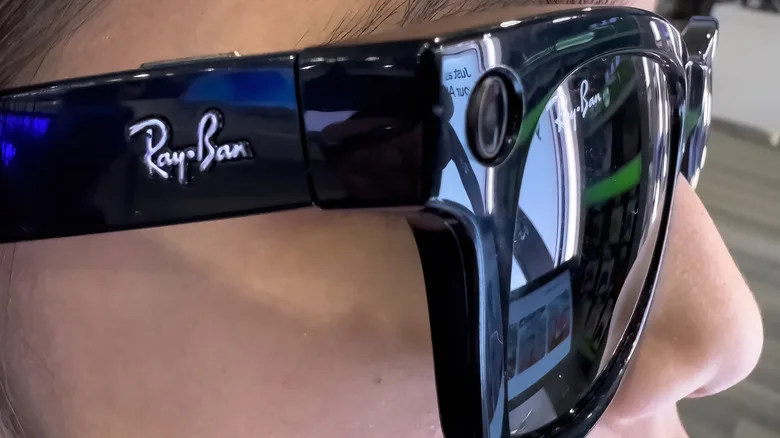
Meta smart glasses — the Ray-Ban and Oakley-branded wearables built in partnership with Luxottica — have been generating headlines for all the wrong reasons again. On June 4, Wired reported that it had found dormant face recognition code buried inside the companion app that handles core functions for the glasses, including the Bluetooth pairing that connects them to a user’s phone. The code was real, it was functional in structure, and it had an internal name: Name Tag. By June 5 — just 24 hours later — Meta had pushed an update that scrubbed it entirely.
That’s a remarkably fast turnaround. Companies don’t mobilize overnight to rip out a feature unless they know it’s a serious problem. The speed of the response said more than any PR statement ever could.
What ‘Name Tag’ Was Built to Do
Based on Wired’s analysis of the code, the Name Tag feature wasn’t vague or experimental in its design — it was architecturally specific. The algorithm would have converted photos of faces into biometric identifiers stored directly on the device. Each new face the camera encountered could then be cross-referenced against that stored database, essentially allowing the glasses to silently recognize people the wearer had previously met and catalogued.
The intended use case, at least on the surface, seems almost sympathetic. Forgetting someone’s name at a networking event or a party is a universal social anxiety. A quiet overlay whispering ‘this is Sarah from the conference’ sounds like a convenience feature. But the mechanics required to make that work — a constantly scanning camera, biometric profiling of faces, persistent on-device storage — are deeply invasive by any reasonable standard. Most people, if asked, would probably prefer an awkward admission of forgetfulness over having their face silently ingested by someone’s camera frames.
The February New York Times report that Meta was actively working on facial recognition for its glasses had already put the industry on notice. The fact that Wired found code bearing the same internal name, Name Tag, in a live app suggests those earlier efforts made it significantly further down the development pipeline than Meta ever publicly acknowledged.
Meta Smart Glasses Already Have a Trust Problem
It’s important to understand that the Name Tag code didn’t surface in a vacuum. Meta smart glasses were already sitting at the center of a growing set of controversies before Wired published a single word about facial recognition.
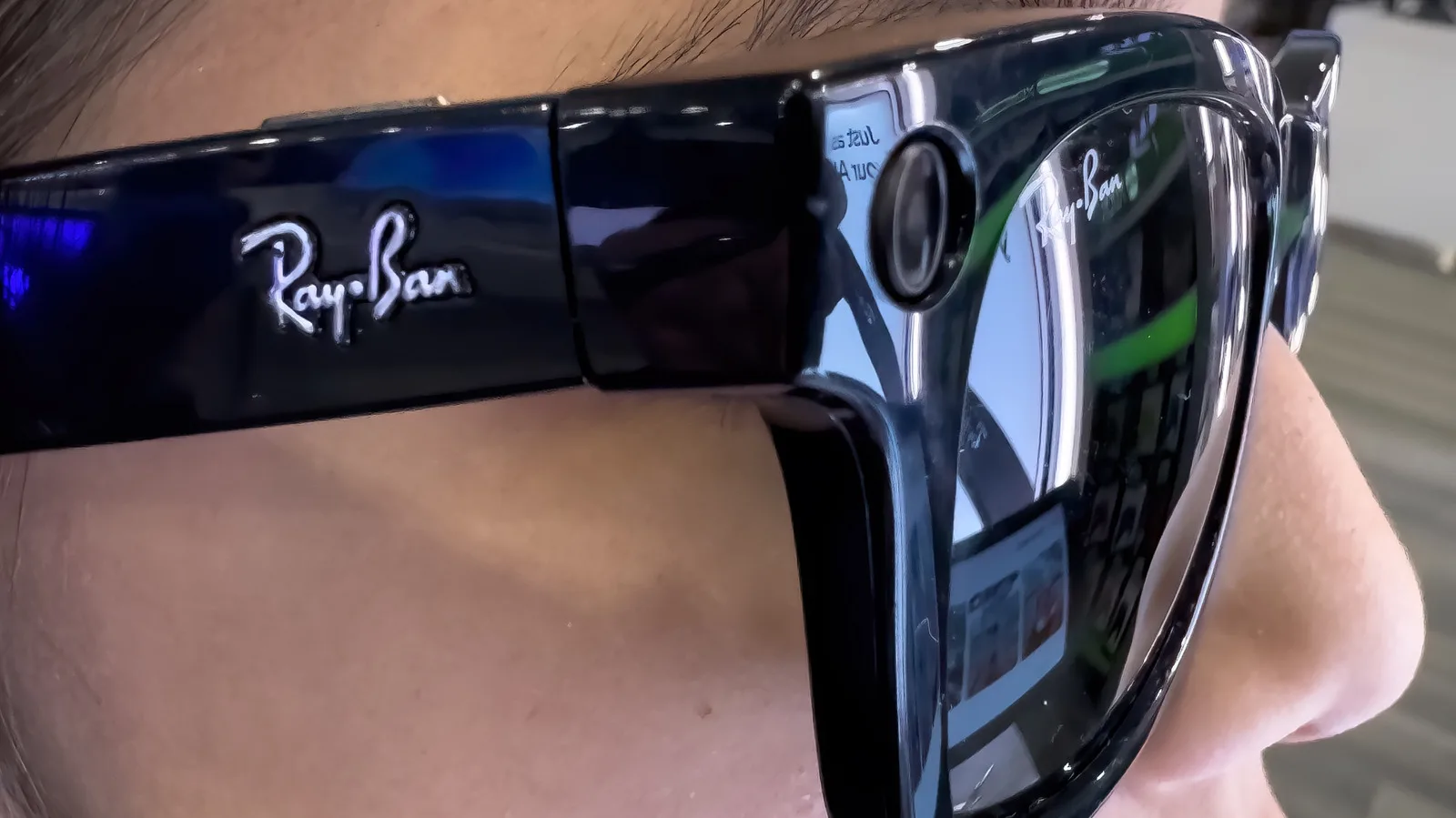
Earlier this year, a class action lawsuit landed on Meta’s desk after a Swedish newspaper investigation revealed that Kenyan workers were reviewing footage captured by the company’s glasses — footage that reportedly included scenes of sexual intimacy and bathroom use, apparently recorded without the knowledge of the people in those spaces. That’s not a minor privacy footnote; that’s a fundamental breakdown of informed consent at scale.
Then there’s the harassment angle. Manosphere-adjacent influencers on social media have already found ways to use Meta smart glasses to covertly record and target women in public. The glasses’ discreet form factor — looking like any ordinary pair of Ray-Bans — is precisely what makes them attractive to people who don’t want their subjects to know they’re being filmed. In December, a woman on the New York City subway was accused of physically breaking a man’s Meta glasses, an incident that sparked its own polarized public debate about where personal space ends and wearable surveillance begins.
Layer face recognition capability on top of all that, and you’re not building a helpful consumer product. You’re building a covert identification system that anyone with a pair of Meta smart glasses can deploy on an unsuspecting public.
Meta’s Response Doesn’t Quite Land
Andy Stone, Meta’s vice president of communications, offered the company’s official line to Wired: the feature was ‘only a pilot effort’ and Meta had not made a ‘final decision on what to do here, if anything.’
That framing deserves some scrutiny. Pilot or not, this was code written by actual Meta engineers, reviewed through the company’s internal development process, and shipped inside a live production app that real users downloaded to their phones. The ‘we hadn’t decided yet’ defense only goes so far when the code is already on people’s devices. Dormant isn’t the same as hypothetical — it’s deployed and waiting.
What the response does confirm, perhaps unintentionally, is that Meta was seriously evaluating this feature. The investment — in engineering hours, in code review, in product planning — wasn’t trivial. Name Tag was far enough along to make it into a consumer app. That’s a deliberate progression through multiple internal gates, not an accidental side project that slipped through.
The Bigger Picture for Wearable Tech and Privacy
Meta isn’t alone in chasing the face recognition opportunity in wearables. The capability has obvious commercial appeal — for retail, for enterprise, for social applications. But every company that’s moved aggressively in this space has hit the same wall: public trust hasn’t caught up with the technology’s ambitions, and regulators in the EU and increasingly in the US are paying close attention to biometric data collection.
Google learned hard lessons about camera-equipped wearables with Glass. Snap has kept its Spectacles largely in creative and developer circles for exactly this reason. The consumer market for always-on facial data collection simply doesn’t exist yet — and it may never exist in the form that Meta’s engineers appear to have been designing toward.
Meta smart glasses have a genuine commercial foothold that Glass never managed to find. The Ray-Ban partnership gave them mainstream aesthetic credibility. Sales have reportedly been strong enough for Meta to expand the line. But that foothold is fragile, and every privacy incident chips away at it. The company is clearly aware of the tightrope it’s walking — the 24-hour code removal makes that obvious. The harder question is whether awareness translates into actually different choices the next time an engineer at Meta opens a ticket for Name Tag 2.0.