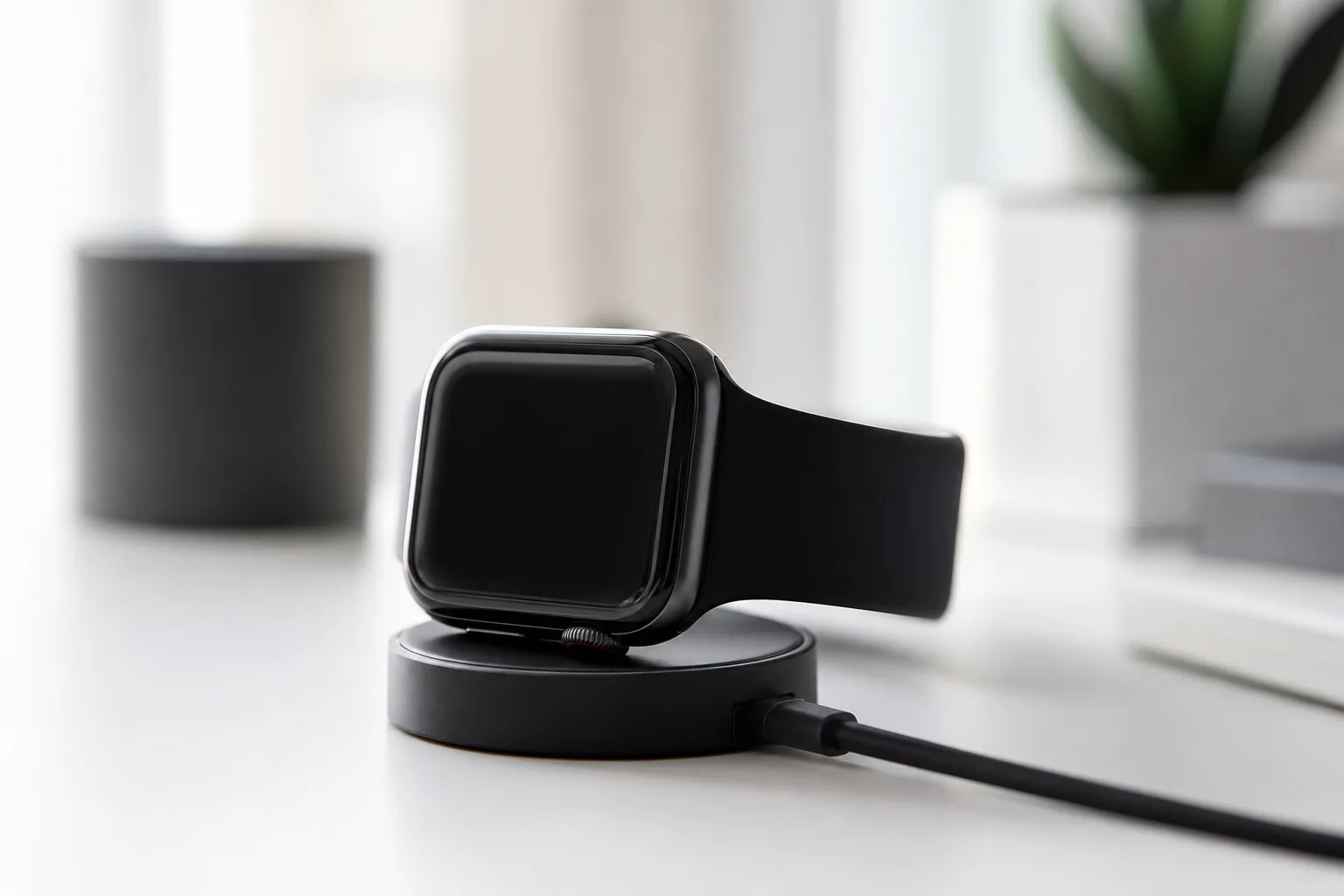
- Samsung Galaxy Watch9 charging speed is confirmed at 10W through a fresh 3C database certification filing.
- The Galaxy Watch Ultra 2 also appears in the same 3C filing, sharing the same 10W charging ceiling.
- Samsung is expected to unveil both watches at a London event on July 22, alongside new folding smartphones.
- Neither watch appears to offer a meaningful charging upgrade over their 2024 predecessors, which also topped out at 10W.
Table of Contents
Samsung Galaxy Watch9 Charging Speed Breaks Cover Early
Before Samsung has said a single official word about its next smartwatch lineup, the regulatory paper trail is already doing the talking. The Samsung Galaxy Watch9 charging speed has been pinned at 10W after two upcoming Samsung wearables turned up in China’s 3C certification database — the same body that has a long history of leaking specs before any press release hits your inbox.
The two devices filed under model codes SM-L3550 and SM-L7150 are widely believed to be the Galaxy Watch9 and the Galaxy Watch Ultra 2, respectively. Both are listed with 10W charging support, which tells us something useful — and something slightly disappointing — about where Samsung is taking its wearables this year.
What 10W Actually Means for Everyday Use
Ten watts might sound modest when your phone is gulping down 25W, 45W, or even 65W these days, but smartwatch charging operates in a different physics sandbox. A typical Galaxy Watch battery sits somewhere between 300mAh and 600mAh, compared to the 4,000mAh+ cells crammed into flagship phones. At 10W, smartwatch batteries of this size can be charged to full in a timeframe that is, frankly, acceptable for a device most people charge overnight.
Still, there’s a noticeable gap forming between Samsung and some of its rivals. Apple’s Watch Ultra 2 still leans on magnetic fast charging rather than wattage bragging rights, while Chinese brands like Huawei have been pushing faster wearable charging aggressively. The question isn’t whether 10W is functional — it clearly is — but whether Samsung is leaving performance on the table by not bumping that ceiling heading into 2025.
Galaxy Watch9 vs Watch Ultra 2: Same Ceiling, Different Audience
One detail worth sitting with: both the standard Watch9 and the premium Watch Ultra 2 are capped at the same Samsung Galaxy Watch9 charging speed of 10W. If you’re paying a significant premium for the Ultra 2 — and Samsung’s Ultra lineup has historically commanded a hefty price over the standard tier — finding zero charging advantage is a bit of a flat note.
Typically, an ‘Ultra’ badge implies more of everything: more performance, more battery, more durability, more charging speed. Samsung’s decision (if the filing is accurate) to keep both watches at parity on charging suggests either a technical limitation of the current wireless charging coil design used in wearables, or a deliberate choice to hold back differentiation for a future generation. Neither explanation is particularly exciting for consumers eyeing an upgrade.
It’s also worth remembering that both the Galaxy Watch8 and the original Galaxy Watch Ultra already supported 10W charging, meaning the Watch9 generation carries over the same spec unchanged. That’s not necessarily a dealbreaker — most wearable buyers prioritise battery life, health tracking accuracy, and software experience over raw charging speed — but it does mean Samsung isn’t handing reviewers a headline improvement here.
The July 22 London Event: What Else Is Coming
Samsung is expected to pull back the curtain on its full second-half lineup at an event in London on July 22. The Galaxy Watch9 and Watch Ultra 2 are anticipated to share the stage with Samsung’s next folding smartphones — almost certainly the Galaxy Z Fold7 and Z Flip7. Samsung hasn’t confirmed exactly how many smartwatch variants it plans to show, so there could be more than just these two models. A potential Galaxy Watch9 Classic or a smaller Watch9 size variant hasn’t been ruled out.
The 3C certification process is a Chinese regulatory requirement for any electronic product sold or imported in China, and manufacturers typically file close to a product’s intended launch window. The timing of these filings — appearing now, weeks ahead of the rumoured July 22 date — fits the pattern we’ve seen with previous Samsung generations. Last year’s Galaxy Watch7 and Watch Ultra filings followed a near-identical trajectory before Samsung’s Paris Unpacked event.
Samsung Galaxy Watch9 Charging Speed in Context
Stepping back from the spec sheet, the Samsung Galaxy Watch9 charging speed story is really a proxy for a broader conversation about how much wearable hardware is actually evolving right now. The smartwatch market is maturing fast — shipments from IDC’s most recent wearables tracker show growth slowing from the heady days of 2021 and 2022 — and manufacturers are increasingly leaning on software features, health sensors, and ecosystem integration to justify annual upgrades.
Samsung knows this. The Galaxy Watch6 and Watch7 generations didn’t dramatically reshape the hardware story either. What changed those watches was One UI Watch improvements, better sleep tracking, and tighter integration with Galaxy AI features on paired phones. Expect Samsung to lean into that narrative again in July — the Samsung Galaxy Watch9 charging speed staying flat at 10W is almost certainly a strategic non-story for Samsung’s marketing team, because the real pitch will be what the watch does with the time it has on your wrist, not how fast it charges on your nightstand.
That said, if a competitor — say, Google with a Pixel Watch 4 update or a refreshed Garmin model — were to introduce a genuinely faster charging solution at a similar price point, Samsung could find itself on the back foot. Ten watts is fine until someone makes 15W or 20W the new normal and consumers start to notice. Samsung has the engineering capability to push that number higher. Whether it chooses to do so for the Watch10 generation may depend on how much competitive pressure it feels between now and 2026.