

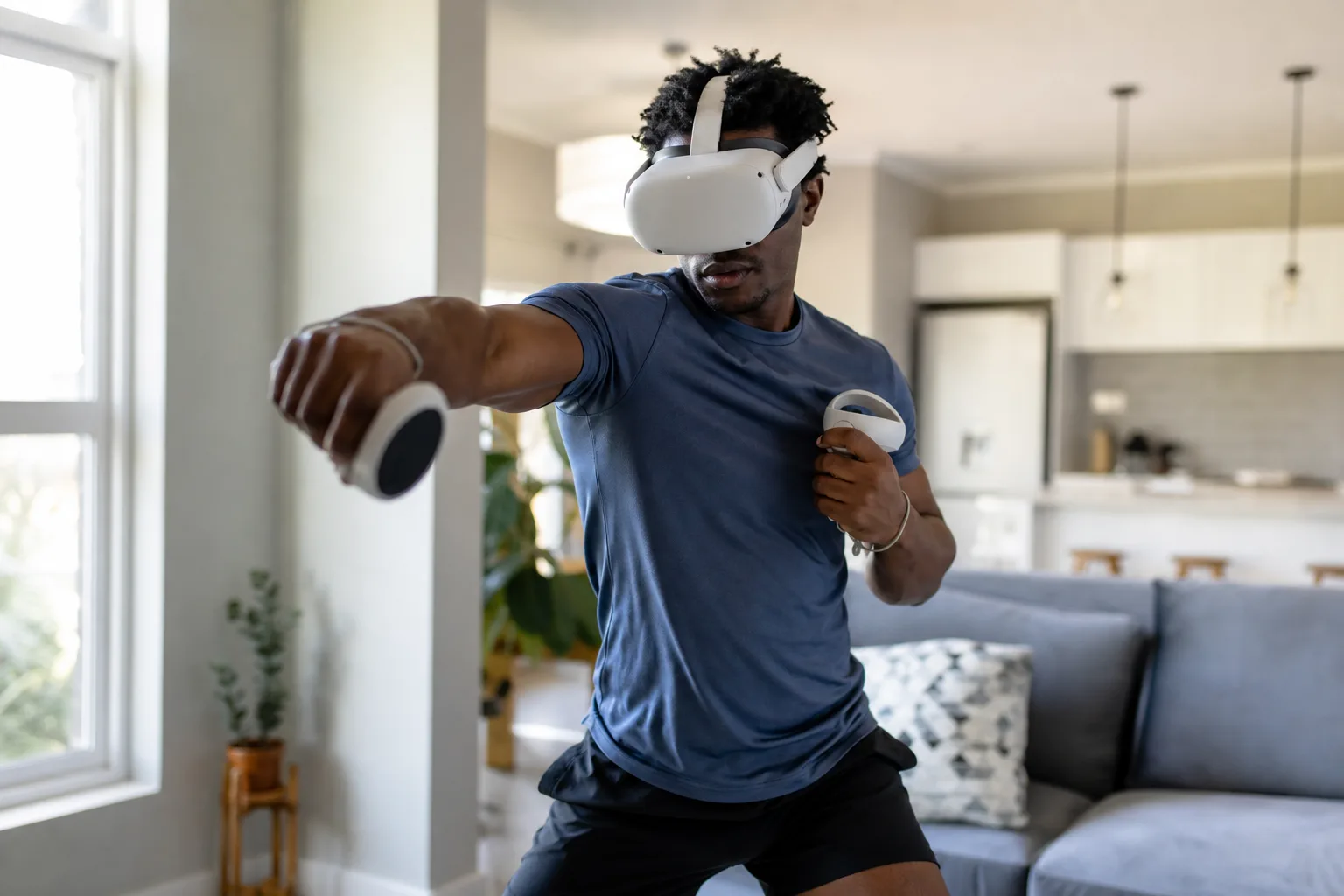
- Supernatural VR fitness is being spun out by Meta into a new independent company called Supernatural Health.
- The Supernatural VR fitness app’s original founders are leading the new venture, preserving its coaches and identity.
- Meta spent roughly $400 million acquiring Supernatural’s parent company Within, then reversed course just two years later.
- Users who publicly protested the app’s shutdown appear to have genuinely influenced Meta’s decision to spin it out.
Table of Contents
Supernatural VR Fitness Gets a Rare Reprieve
Against all odds, Supernatural VR fitness is getting a second life. Meta has agreed to spin the popular workout app out into a new independent company — Supernatural Health — run by the original founders who built it in the first place. It’s the kind of ending almost nobody expected, and for a community that had already started grieving, it feels like a genuine win. But the road to get here is equal parts absurd and instructive.
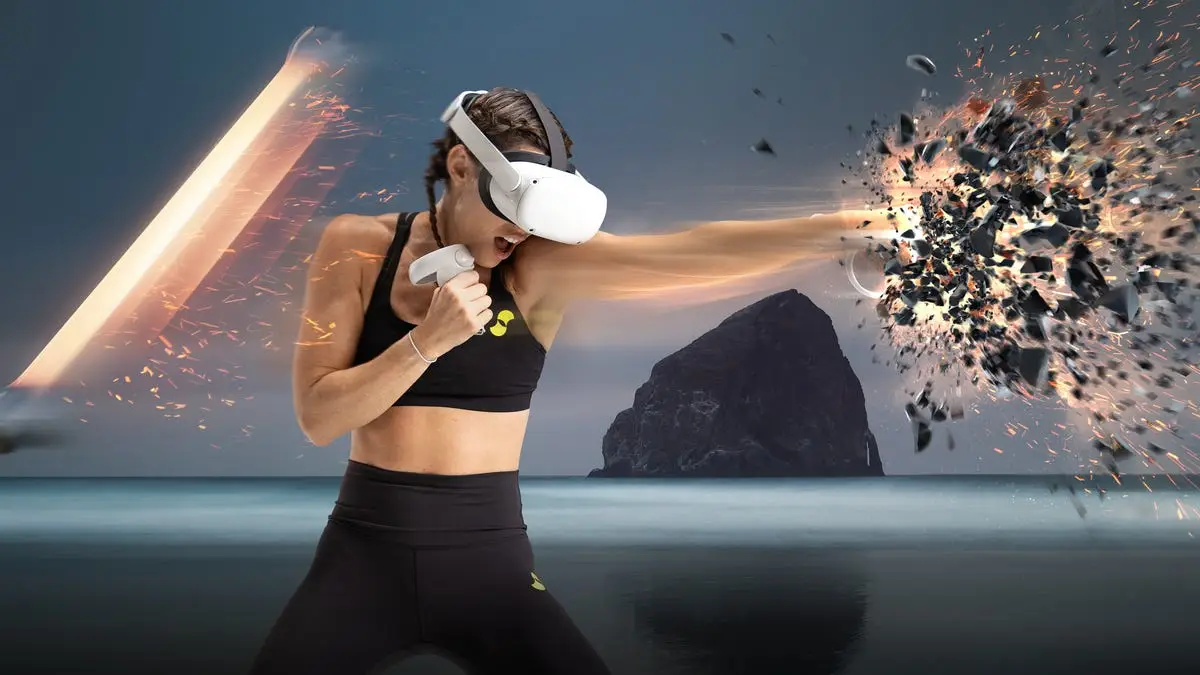
For context: Meta fought an eight-month antitrust battle with the Federal Trade Commission just to acquire Within, the studio behind Supernatural, back in 2023. That deal was reportedly worth around $400 million. The FTC argued the acquisition would stifle competition in the nascent VR fitness market; Meta argued it was simply investing in the future of immersive technology. Meta won the lawsuit. It paid the money. It got the studio. And then, a couple of years later, it laid off much of its VR team and quietly announced it would stop adding new content to Supernatural entirely.
Let that sink in. A $400 million acquisition, an eight-month federal legal fight, and the end result was: we’ll just stop updating it. The whole sequence of events reads less like a corporate strategy and more like an expensive shrug.
What Actually Happened to Meta’s VR Ambitions
To understand why Supernatural VR fitness ended up in this strange limbo, you have to understand what happened to Meta’s broader metaverse push — which is to say, it mostly didn’t work. Mark Zuckerberg bet enormous sums of money on the idea that people would want to socialise, work, and exercise inside virtual reality headsets. Reality Labs, Meta’s VR and AR division, has lost tens of billions of dollars since it was formally separated out. The Quest headsets have found a market, but it’s nowhere near the mass consumer wave Meta needed to justify its investment.
Amid that broader pullback, VR fitness — once seen as a key use case to bring casual users into the ecosystem — became less of a priority. The layoffs that hit Supernatural’s team in late 2024 weren’t isolated; they were part of a wider contraction across Meta’s immersive technology divisions as the company refocused on AI and advertising. Supernatural VR fitness just happened to be caught in the crossfire.
And that’s what made the situation so frustrating for users. Supernatural VR fitness wasn’t failing. It was one of the few genuinely beloved applications in the Quest library — the kind of thing people swore by for daily exercise, crediting it with weight loss, mental health improvements, and the rare ability to make cardio feel like something other than punishment. It had real, devoted coaches. It had playlists people cared about. It had community. Meta didn’t acquire a broken product. It acquired something that worked, then appeared to let it wither.
The Community Refused to Accept It
What’s genuinely unusual about this story is that the users pushed back — and it appears to have actually mattered. When Meta announced it was winding down new content for Supernatural VR fitness, the response in the app’s Facebook group and wider online community was immediate and emotional. People weren’t just annoyed; they were gutted. One user captured the sentiment precisely:
“Like so many of us I was so devastated when the coaches were let go and we were told our beloved Supernatural, while we loved it and it was great, would never get any better than it was. What we had was what we had. We all felt like it was purchased to kill. I am such a sap. Why am I tearing up?”
That kind of raw, public grief isn’t something companies usually respond to — but Meta, about five months after the initial announcement, reversed course. Whether that was driven by user pressure, internal advocacy, or simply someone at HQ running the numbers and realising a spin-out cost less than killing a beloved product and absorbing the reputational hit, we don’t know. The result is the same either way.
Who Is Supernatural Health and What Comes Next
The new company is called Supernatural Health, and its founding team is the original Within crew — the people who created Supernatural VR fitness before Meta ever entered the picture. Their messaging is deliberate and warm: “Supernatural is being reborn. Same coaches, same DNA, same obsession with making fitness feel like the best part of your day — now under a new, independent company we’re starting from the ground up.”
The transition is expected to complete later this year, with Supernatural Health taking over operation of the app in full. In a statement, the team was notably diplomatic about their former corporate parent: “We’re grateful for the platform and resources Meta provided during a critical growth phase. This transition reflects a shared belief that Supernatural’s community is best served by a focused, independent team. Meta has been supportive throughout.”
That’s about as gracious an exit statement as you’ll read — and it’s probably the right tone. Burning bridges with Meta, which still controls the Quest platform that Supernatural VR fitness runs on, would be tactically foolish. Whatever the internal reality of the past two years, the new team needs that relationship to function.
A Cautionary Tale About Big Tech Acquisitions in Niche Markets
The Supernatural VR fitness saga is worth examining beyond the happy ending, because it illustrates a recurring pattern in how large platforms approach niche but passionate communities. Meta didn’t acquire Within because it had a specific, long-term plan for Supernatural as a standalone fitness product. It acquired it — as the FTC correctly identified — to bolster its VR ecosystem, to own a killer app that would drive Quest headset sales, and to prevent rivals from getting there first.
That’s a legitimate strategy, but it’s a fundamentally different one from running a consumer fitness brand with coaches, content schedules, and a community that depends on consistency. When the strategic rationale evaporated — when Meta shifted its focus and the metaverse narrative collapsed — Supernatural became an expensive loose end rather than a core asset. The $400 million acquisition price looks like a particularly bad spend in retrospect, though it’s hard to argue Meta will lose sleep over it given the scale of Reality Labs losses overall.
The broader question this raises: how many other niche, community-driven products are sitting inside big tech portfolios right now, waiting to meet a similar fate? Not every one of them will have a vocal enough user base to force a spin-out. And not every acquiring company will bother. Supernatural VR fitness got lucky — or, more accurately, its community was passionate enough, and its original founders capable enough, that a clean exit made more sense than a quiet shutdown. That combination is rare.
For Supernatural Health, the hard work starts now. Operating independently means no Meta distribution muscle, no corporate resources to absorb a bad quarter, and the constant challenge of keeping content fresh on what is still a relatively niche platform. VR fitness remains a small market by any measure, and competing for workout mindshare against Peloton, Apple Fitness+, and YouTube takes real money. But if any product in the VR space has demonstrated it can build genuine loyalty, it’s this one — and that’s not nothing when you’re starting over from scratch.

