

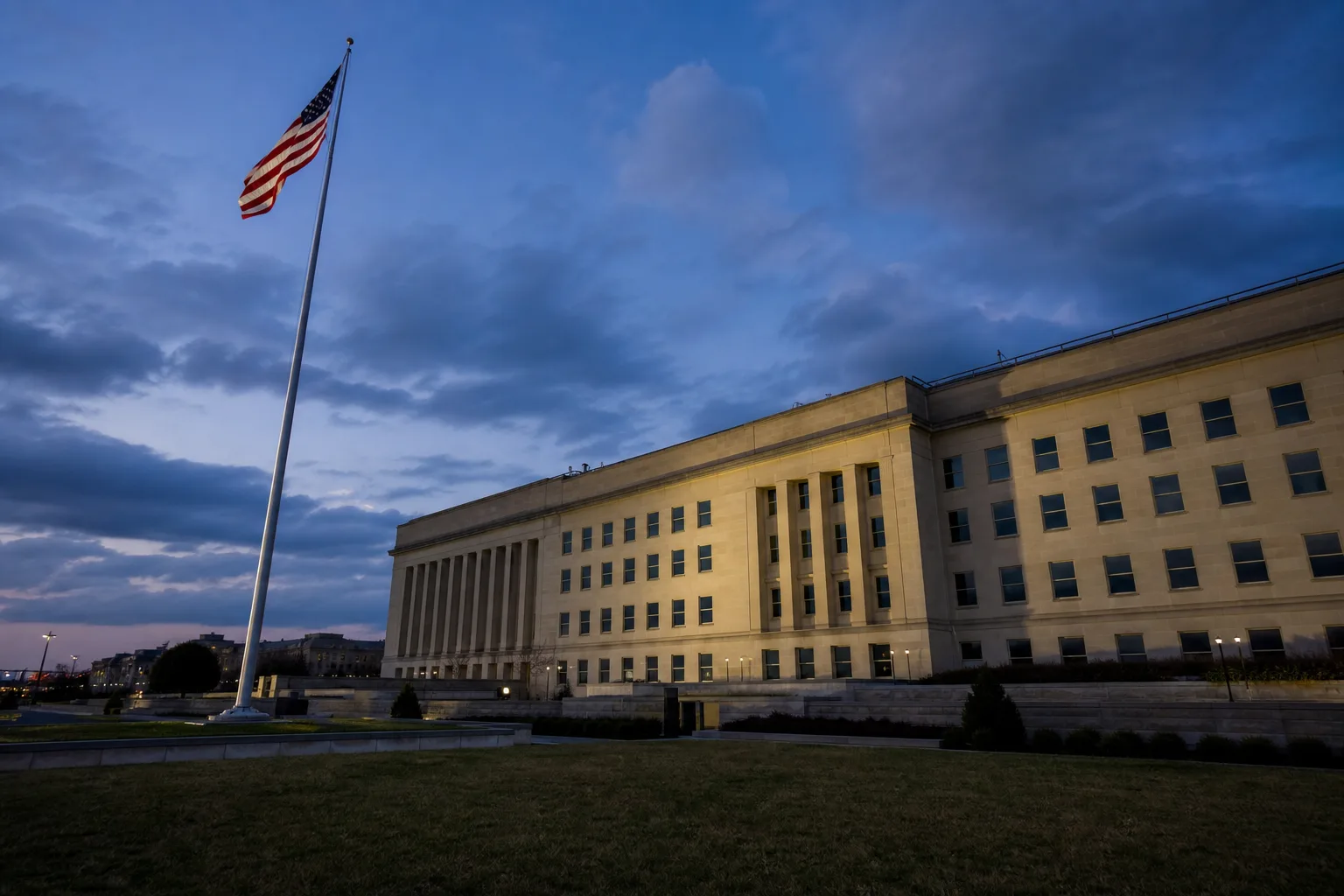
- The Pentagon’s DIA has elevated Israeli spying on U.S. officials to its highest ‘critical’ threat level amid Iran war tensions.
- Israeli spying on U.S. decision-makers is reportedly targeting internal Trump administration deliberations on Middle East strategy.
- U.S. officials traveling to Israel already use burner phones and take extreme precautions in hotel rooms during official visits.
- Daily intelligence-sharing between the two countries continues despite the heightened counterintelligence alert, officials say.
Table of Contents
The Pentagon Sounds Its Loudest Alarm Yet
Israeli spying on U.S. officials has alarmed Washington enough that the Pentagon’s Defense Intelligence Agency has elevated Israel’s counterintelligence threat designation to ‘critical’ — the highest level in its assessment framework — according to two current U.S. officials and one former official who spoke with NBC News. That’s not a designation handed out casually. It puts America’s closest Middle East ally in the same alarming category typically reserved for adversaries actively working against U.S. national security interests.
The DIA reportedly posted an internal notice — seen by one of the current officials — alongside a seven-page assessment document that details both Israel’s espionage capabilities and a series of specific incidents that drove the decision. The document describes Israel’s ability to conduct both human intelligence operations and technical surveillance collection as operating at that ‘critical’ threshold. What exactly those specific incidents were, the officials didn’t say. But the fact that they’re being catalogued in a formal threat document tells you something about the scale of concern inside the building.
Israel’s Embassy in Washington flatly denied the premise. ‘Israel does not gather intelligence on American entities, let alone US government officials,’ an embassy spokesperson said in a statement. ‘Israel intelligence collection efforts are aimed at its enemies, not its allies. Any claims to the contrary are either misinformed or politically motivated.’ The White House was equally dismissive. A White House official called the entire story ‘false and sourced to someone who doesn’t have any knowledge of what’s going on.’ The Pentagon declined to comment altogether.
Why Israeli Spying on U.S. Officials Is Escalating Now
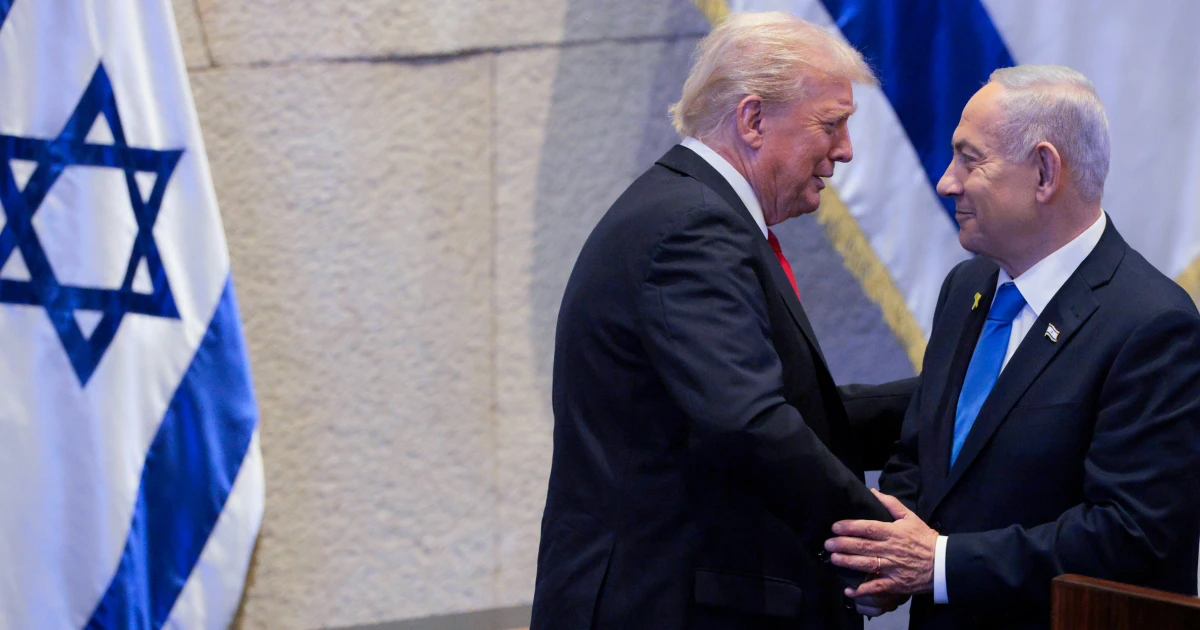
The timing here matters enormously. The DIA’s upgraded assessment didn’t happen in a vacuum — it landed amid what might be the most significant public rupture between Washington and Jerusalem in years. President Trump and Israeli Prime Minister Benjamin Netanyahu have clashed sharply over how to handle the Iran conflict, which the U.S. and Israel jointly launched on February 28th before a ceasefire deal was struck in early April. Since then, Trump has been pursuing a diplomatic resolution with Tehran. Netanyahu, for his part, has pushed openly for resumed bombing campaigns against Iran and has expressed deep skepticism that any negotiated deal would hold.
The friction boiled over publicly this past week when Trump acknowledged — to reporters, no less — that he called Netanyahu ‘crazy’ during a tense phone call between the two leaders. That kind of language between sitting heads of government is extraordinary. It signals that the gap between American and Israeli strategic objectives in the region isn’t just a policy disagreement anymore — it’s becoming a personal one.
That context explains exactly what Israel would be looking for. According to the officials and outside experts cited in the reporting, Israel is keenly interested in whether Trump decides to resume major combat operations against Iran or negotiate his way out of the conflict. Getting ahead of that decision — knowing what’s being deliberated inside the White House and the Pentagon before any public announcement — would be enormously valuable intelligence for Jerusalem. Israeli spying on U.S. decision-makers is, according to the DIA’s assessment, precisely the mechanism being used to obtain it.
An Open Secret in the Intelligence Community
Here’s the thing: none of this is entirely new. Israeli spying on U.S. officials has been an uncomfortable, largely unspoken reality in Washington’s national security circles for decades. ‘The U.S. already takes extra precautions when visiting Israel,’ one of the current officials told NBC News. ‘They’re well-known to aggressively collect.’ That’s a remarkably candid statement about an official ally.
Emily Harding, vice president of the Defense and Security Department and director of the intelligence, national security and technology program at the Center for Strategic and International Studies, put it plainly: Israel has ‘a hyper-aggressive intelligence service.’ She added, ‘They are exceedingly interested in what we are up to.’ That’s the kind of language analysts typically reserve for near-peer adversaries, not treaty partners.
The most historically resonant example of Israeli spying on U.S. interests is the Jonathan Pollard case. Pollard was a U.S. Navy intelligence analyst who, in the 1980s, handed Israel suitcases — literally suitcases — packed with top-secret documents. He spent 30 years in federal prison for it. The damage to the bilateral relationship was significant, and it took years to repair. The fact that U.S. intelligence officials are still wrestling with the same fundamental tension four decades later says something about how deeply embedded this dynamic is.
What Changes — and What Doesn’t
In practical terms, the ‘critical’ designation changes the day-to-day behaviour of U.S. officials more than it changes the strategic relationship. Officials say the most immediate outcome is that Americans will exercise greater caution when travelling to Israel or meeting with Israeli counterparts. That already means burner phones, temporary devices, and extreme care about what gets said inside hotel rooms — practices that apparently weren’t considered optional even before this latest escalation.
Critically, the officials stressed that the heightened alert does not appear to be disrupting the daily intelligence-sharing pipeline between the two countries, particularly the streams tied to the ongoing Iran conflict. That’s a significant caveat. The U.S.-Israel intelligence relationship is one of the most operationally deep in the world — unwinding even a portion of it would carry real military and strategic costs for both sides.
It’s also worth remembering that the U.S. isn’t above this kind of behaviour itself. Edward Snowden’s 2013 leaks revealed the scale at which American intelligence agencies were monitoring allied governments — including close European partners. Espionage between allies is as old as alliances themselves. What makes the current situation different isn’t the existence of Israeli spying on U.S. officials, but the reported intensity of it, and the specific political context driving it: two governments with increasingly divergent ideas about how a live war should end.
A Relationship Under Structural Strain
Strip away the intelligence drama and what you’re really looking at is a U.S.-Israel relationship under more structural strain than at any point in recent memory. The two countries launched a war together — and now appear to disagree fundamentally about how, and whether, to end it. Netanyahu wants resumed strikes against Iran and is resisting U.S. pressure to scale back operations against Hezbollah in Lebanon. Trump wants a deal. Those aren’t minor tactical differences. They’re competing strategic visions.
In that environment, Israeli spying on U.S. deliberations would give Jerusalem a decisive advantage — knowing what Washington intends before Washington acts. That doesn’t make Israeli spying on U.S. officials acceptable under American law or counterintelligence doctrine — but it does make it predictable. The DIA’s ‘critical’ designation is less a revelation than a formal acknowledgment of something U.S. intelligence professionals have known for a long time: even your closest allies will look over your shoulder when the stakes are high enough. The question now is whether the two governments can manage their deepening strategic disagreements without letting the intelligence friction become something harder to contain.
Frequently Asked Questions
Why has Israeli spying on U.S. officials been raised to a critical threat level?
The Defense Intelligence Agency elevated the threat because Israel is believed to be making a concerted effort to surveil top U.S. officials to gain insight into the Trump administration’s internal deliberations on the Iran war and broader Middle East strategy, according to current and former U.S. officials.
Does this mean the U.S. has suspended intelligence sharing with Israel?
No. Despite the elevated counterintelligence alert, officials say daily high-level intelligence sharing between the U.S. and Israel — particularly tied to the ongoing Iran conflict — has not been disrupted. The alert primarily means U.S. personnel will exercise greater personal caution.
Has Israel spied on the United States before?
Yes. The most prominent historical case is Jonathan Pollard, a U.S. Navy intelligence analyst who spent 30 years in prison after selling suitcases of top-secret documents to Israel in the 1980s. National security experts say Israel has long maintained an aggressive intelligence posture even toward close allies.
What precautions do U.S. officials take when visiting Israel?
According to current and former officials, top U.S. personnel sometimes use burner phones and computers and exercise extreme caution when speaking in hotel rooms during official visits to Israel. These precautions pre-date the latest threat elevation.

