

- The crypto trust charter process is drawing fierce Democratic opposition over World Liberty Financial’s ties to the Trump family.
- OCC Comptroller Rodney Gould says the only political pressure he’s felt has come from Democrats, not Republicans.
- Six major crypto firms including Coinbase, Ripple, and Circle have already received OCC approvals or conditional agreements.
- Congress is pushing to pass the CLARITY Act, a sweeping digital asset bill, before August recess.
Table of Contents
The Crypto Trust Charter Fight That’s Splitting Washington
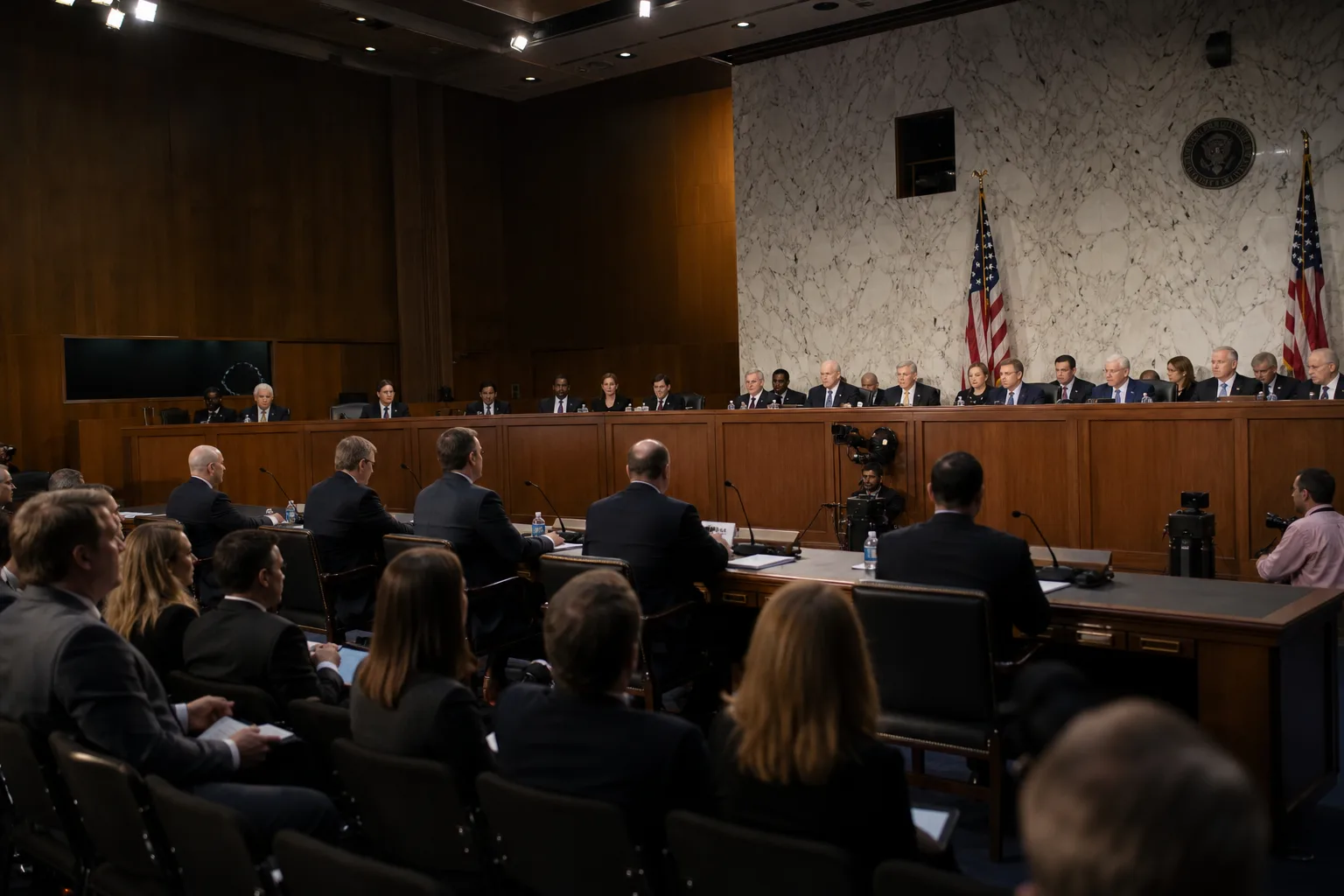
The debate over who gets a crypto trust charter in America has exploded into a full-blown political confrontation — and the target sitting in the crossfire is a company co-founded by two of Donald Trump’s sons. At a House Financial Services Committee hearing this week, the tension between the Office of the Comptroller of the Currency and Democratic lawmakers reached a level of hostility rarely seen in these proceedings, with accusations of corruption flying in both directions.
Representative Gregory Meeks of New York didn’t mince words. He accused World Liberty Financial — the crypto firm with deep ties to the Trump family — of essentially being a vehicle to enrich the president’s relatives, saying the company “actively lines the pockets of the president’s family.” Meeks demanded that OCC Comptroller Rodney Gould hold World Liberty to the same standards applied to every other crypto trust charter applicant, framing it as a simple test of integrity: prove you’re working for the American people, or admit you’ve become what Meeks called “Trump’s fixer.”
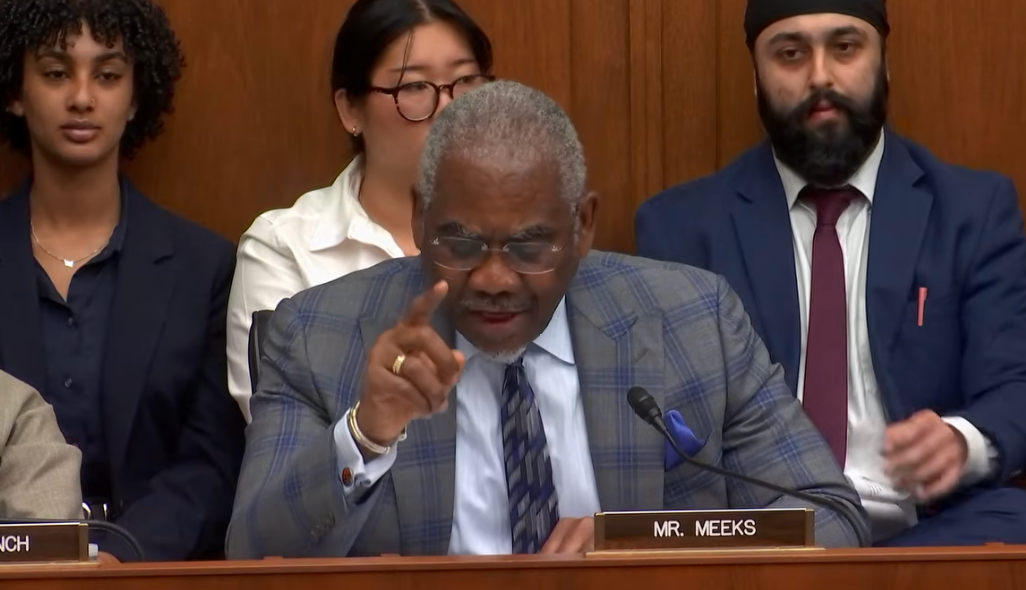
Gould didn’t absorb the criticism quietly. The two men reportedly talked over each other at points during the hearing, a remarkable scene in what’s typically a procedural, largely civil forum. Gould’s response was pointed:
“Your attempts to continue to pressure me are the only political pressure I’ve felt from anyone other than your Senate colleagues. That is very unfortunate and unprecedented.”It’s a striking claim — that the only people trying to influence an ostensibly independent regulator are Democrats, not the Republican administration that appointed him.
Who Is World Liberty Financial and Why Does It Matter?
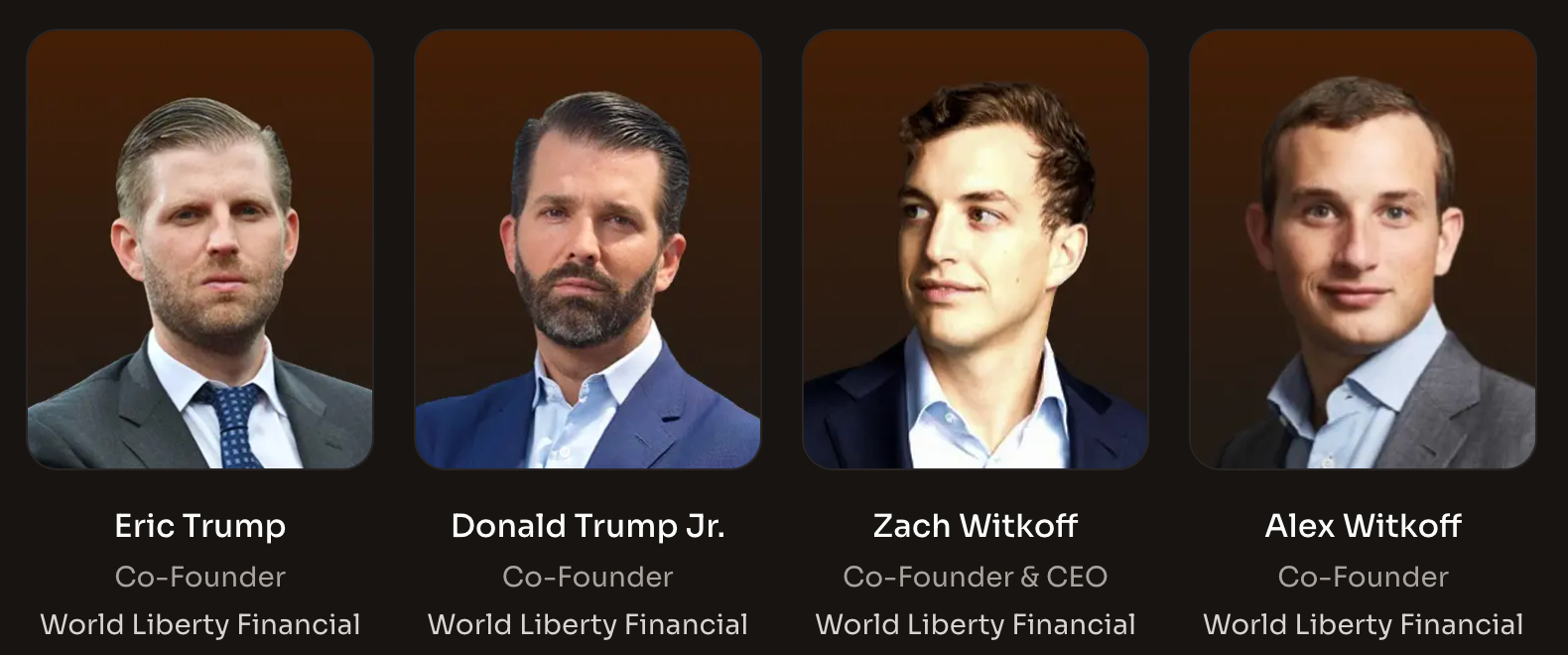
World Liberty Financial is a crypto company with an unusually high-profile founding team. Four of its co-founders include Eric Trump and Donald Trump Jr., making it one of the most politically charged entities ever to seek a crypto trust charter from a federal regulator. The company submitted its application to the OCC shortly after the current administration took office, and Gould publicly stated in January that the agency would be “apolitical and nonpartisan” in reviewing it.
Whether that promise holds up is exactly what Democrats are questioning. The concern isn’t just theoretical. A national trust bank charter — the specific designation World Liberty is pursuing — allows crypto companies to offer certain financial services at a federal level without being subject to the same capital requirements, deposit insurance obligations, and oversight that traditional banks must comply with. It’s a meaningful regulatory shortcut, and critics argue the bar for granting a crypto trust charter should be exceptionally high.
Massachusetts Senator Elizabeth Warren has been among the loudest skeptics. Warren asked Gould to pause the review of World Liberty’s application entirely, and she went further, arguing that the OCC’s existing approvals — not just World Liberty’s pending one — were granted to “seemingly ineligible companies” in violation of federal banking laws. That’s a serious allegation, one that goes well beyond the Trump conflict-of-interest argument and suggests a broader concern about the OCC’s entire approach to digital asset regulation under the current administration.
The Six Companies That Already Got Through
Before World Liberty’s application became a political flashpoint, the OCC had quietly been processing a wave of crypto trust charter requests from some of the industry’s biggest names. Coinbase, Ripple, BitGo, Circle, Fidelity Digital Assets, and Paxos have all received approvals or conditional agreements. That’s a remarkable list — it covers exchanges, stablecoin issuers, custodians, and institutional players, essentially the full spectrum of the crypto financial stack.
The speed and breadth of those approvals is part of what makes Warren’s criticism land harder than it might otherwise. If the OCC had been cautious and selective, rejecting most applicants, a Democrat could credibly argue World Liberty’s application might be rubber-stamped for political reasons. But the agency has been liberal with approvals across the board, which means the political criticism of World Liberty specifically has to contend with a pattern that predates — or at least runs parallel to — any Trump-family favoritism.
Crypto exchange Kraken’s parent company, Payward, added another name to the list in May when it filed its own crypto trust charter application with the OCC. The pipeline is clearly growing, and the OCC is being asked to make consequential decisions about which crypto entities get to operate with quasi-banking authority — a responsibility that carries enormous long-term weight for the industry.
Crypto Trust Charter Applications and the Regulatory Stakes
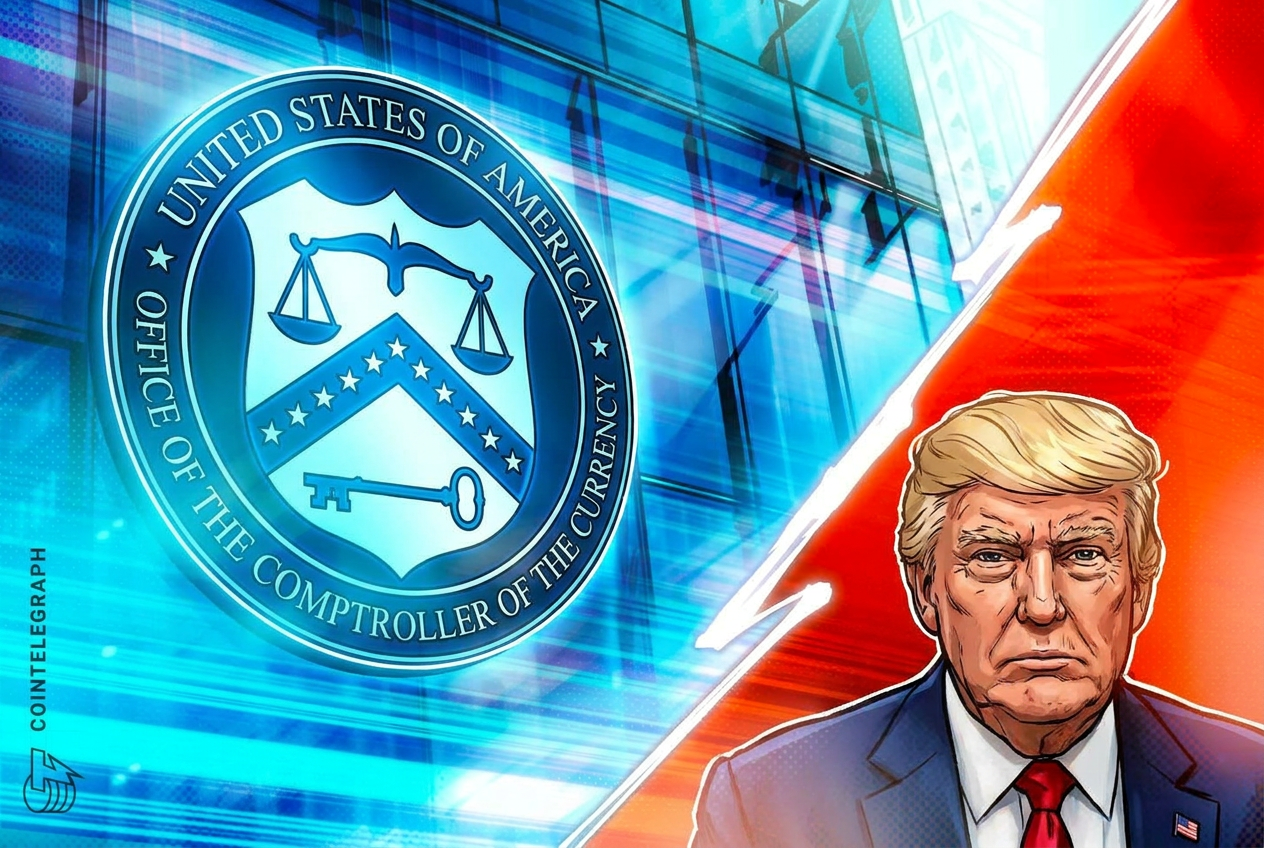
It’s easy to get lost in the political theatre here and miss what’s actually being decided. A crypto trust charter isn’t just a symbolic recognition — it fundamentally changes how a crypto company can operate. Chartered companies can hold customer assets as a federally recognized trust institution, which unlocks access to institutional clients who require regulated counterparties, and it grants a level of federal preemption that can override a patchwork of state-by-state licensing requirements.
For companies like Circle, which issues USDC, or Paxos, which operates stablecoin infrastructure for major banks, securing federal recognition is a competitive moat. It signals to Wall Street and corporate treasurers that these firms aren’t operating in a grey zone. And for Coinbase, the largest US crypto exchange by volume, a trust charter reinforces its positioning as a regulated, institutional-grade platform at a time when competition from traditional finance is intensifying.
The problem, as Warren and others see it, is that the Office of the Comptroller of the Currency may be moving faster than the legal framework supports. Federal banking law was not written with decentralized finance in mind, and courts have historically been skeptical of attempts by the OCC to extend trust charter privileges to non-depository fintech firms. A 2021 federal appeals court ruling struck down the OCC’s attempt to issue special-purpose national bank charters to fintech companies, and the agency’s current crypto trust charter push could face similar legal challenges.
The CLARITY Act and What Comes Next
None of this exists in a vacuum. The broader context for every crypto trust charter debate happening right now is the CLARITY Act, a sweeping digital asset market structure bill that has cleared two key congressional committees and is expected to head to a full Senate vote in the coming weeks. Treasury Secretary Scott Bessent said this week that the Trump administration is targeting passage sometime this summer, with some senators privately expecting a vote before August recess.
If the CLARITY Act passes, it will be the most significant piece of crypto legislation the US has ever enacted — creating clearer distinctions between digital assets that qualify as securities and those that don’t, and establishing formal regulatory frameworks for exchanges, stablecoin issuers, and custodians. In that context, the OCC’s current charter approvals look like an attempt to move the goalposts before the game’s official rules are finalized.
That’s either foresighted or reckless depending on your perspective. Proponents argue the industry can’t wait for a perfect legislative framework that may never come, and that getting major players like Coinbase and Circle into a regulated structure now makes the eventual transition to a formal regime smoother. Critics — particularly on the Democratic side — see an administration rushing to hand out regulatory privileges to politically connected entities before Congress can establish guardrails.
What’s clear is that the crypto trust charter process has become a proxy war for deeper disagreements about who controls digital finance in America, who benefits from deregulation, and whether federal regulators can be trusted to act independently when the president’s family has a direct financial stake in the outcome. Those aren’t questions that will be resolved at a single committee hearing — and they’re only going to get louder as the CLARITY Act moves toward a vote.

