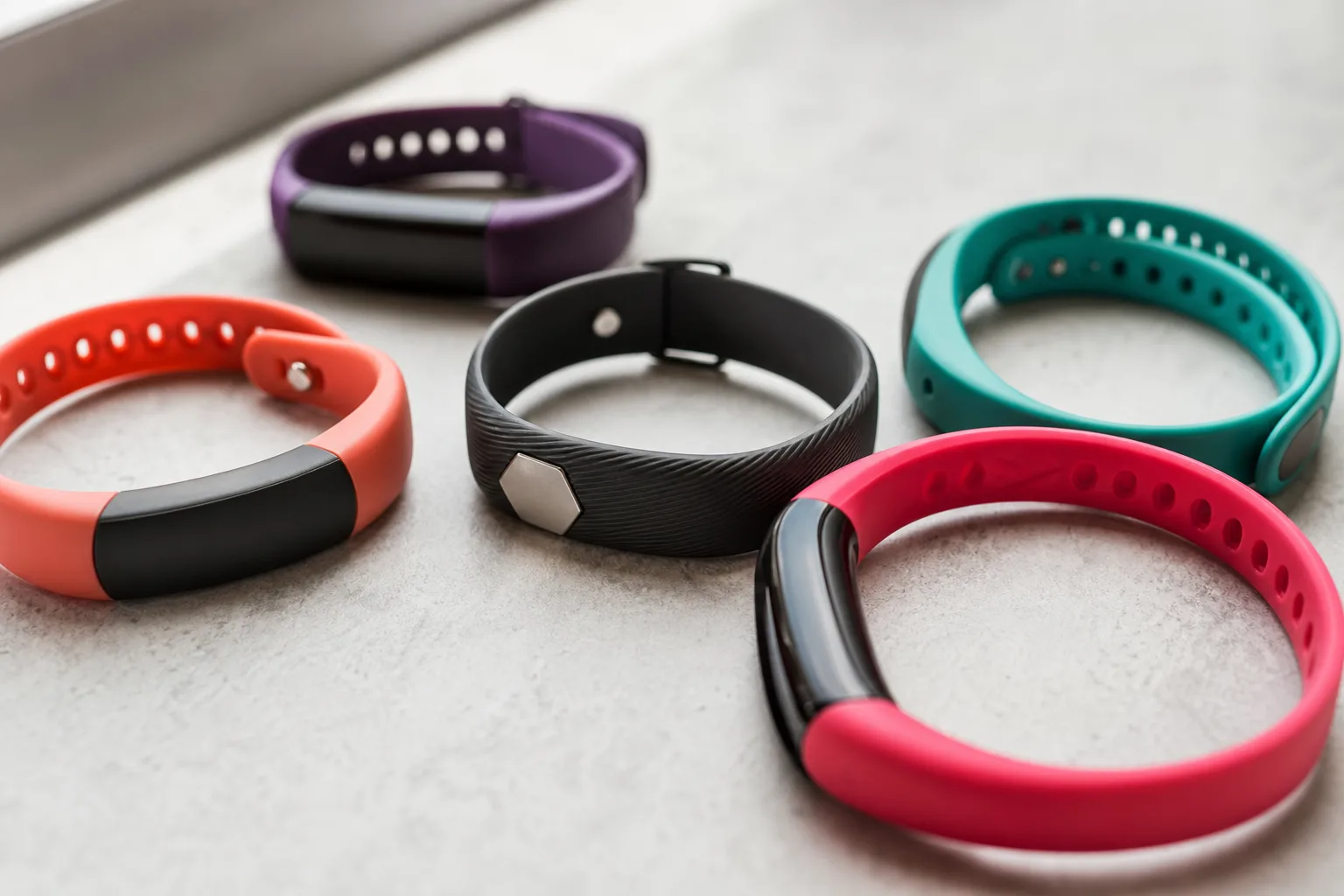
- Google has released full device specs for Fitbit Air bands, letting anyone design and make their own accessory.
- The move is a break from industry norms — most wearable makers share specs only with licensed, fee-paying partners.
- DIY makers can cut, sew, or 3D print Fitbit Air bands using official CAD files and material guidelines.
- The decision opens the door for a richer third-party accessory ecosystem around the screenless Fitbit Air.
Table of Contents
Google Just Did Something It’s Never Done Before with Fitbit Air Bands
Google has quietly made a move that no one in the wearables space expected: it published the full physical specifications and accessory design guidelines for its new screenless fitness tracker, opening the door for anyone to create their own Fitbit Air bands. Not just approved manufacturers. Not just licensed partners. Anyone. The blueprints are public, the rules are clear, and the community is already paying attention.
The Fitbit Air, Google’s stripped-back, display-free health wearable, is a deliberate pivot from the feature-laden smartwatch arms race. No screen, no app notifications — just sensors and a band. That simplicity makes the band itself central to the product’s identity. So making band customisation an open platform isn’t just a nice gesture. It’s a smart product strategy.
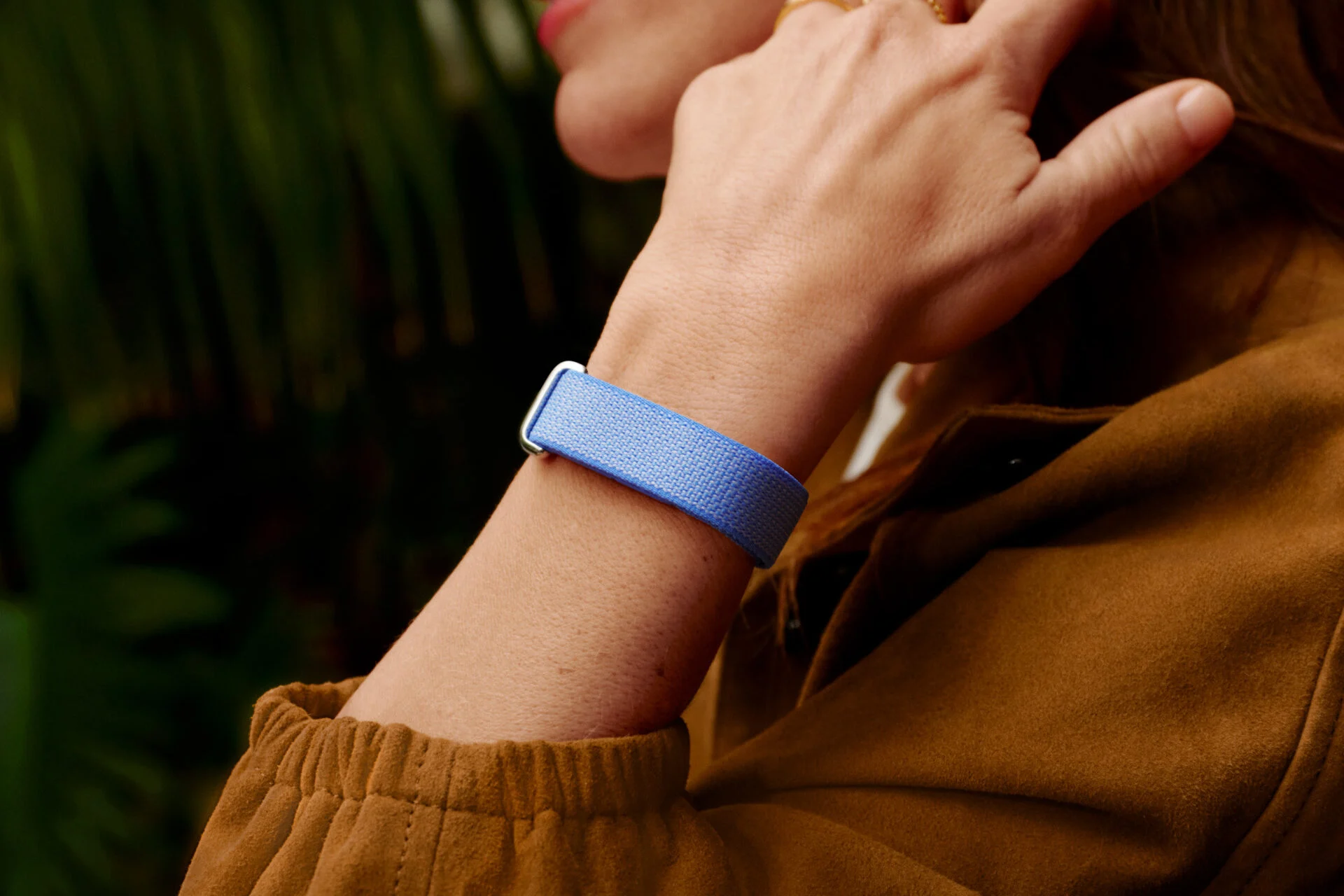
Why the Accessory Industry Usually Works Very Differently
To understand why this matters, it helps to know how wearable accessory ecosystems typically operate. Most hardware companies — Apple, Samsung, Garmin — guard their device measurements closely. If you want to make a compatible band or case, you need to be an approved accessory maker, which usually means signing agreements, paying licensing fees, and adhering to strict branding guidelines. It’s a controlled, often expensive process that effectively shuts out independent designers, small shops, and hobbyists.
Apple’s MFi (Made for iPhone) program is the most well-known version of this model. It’s not inherently anti-consumer — quality control has real value — but it does concentrate the accessory market among players who can afford to participate. The result is that accessory prices stay high, variety stays limited, and creative experimentation from the maker community rarely makes it to market.
Google has sidestepped all of that. By publishing the Fitbit Air bands specifications without a licensing gate, it’s inviting a completely different kind of participation. Think Etsy sellers, 3D printing enthusiasts, small leather goods workshops, and independent hardware designers — all of whom can now build products that actually fit and function correctly on the device.
What’s Actually in Google’s Release
The package Google put out includes full device measurements and detailed accessory design guidelines. That combination is more useful than it might sound. Having dimensions alone isn’t enough to build a functional band — you also need to understand sensor clearance requirements, how tight the fit should be against the wrist, and which materials are safe for prolonged skin contact. Google has included guidance on all of that.
The CAD files Google released are 2D, which means anyone who wants to 3D print a band will need to do the work of converting them into a 3D model first. That’s a meaningful barrier for casual users, but it’s nothing a competent designer or maker with access to tools like Fusion 360 or Blender can’t handle. For people who prefer to cut and sew bands from fabric, leather, or silicone, the 2D files are practically ready to use as-is.

The material guidance is particularly thoughtful. Skin-friendly materials aren’t just a comfort issue — they’re a health one, especially for a device worn continuously to track sleep and activity. Google’s recommendations here should help makers avoid the kind of allergic reactions and skin irritation that have occasionally landed smartwatch makers in hot water with regulators and consumers. It’s a small detail that shows Google thought through the downstream implications of this move.
Fitbit Air Bands Could Spawn a Real Maker Ecosystem
The maker community doesn’t need much of an invitation. Open hardware projects like Arduino and Raspberry Pi have demonstrated repeatedly that once you give engineers and hobbyists a solid foundation to build on, the output can be remarkable — and often more creative than anything a corporate product team would greenlight. Extending that energy to Fitbit Air bands could produce everything from ruggedised adventure bands to medical-grade materials, hypoallergenic options, or bands integrated with other sensors.
Platforms like Etsy and Amazon Handmade have already proven there’s a commercial market for custom wearable bands. Apple Watch band sellers on Etsy number in the thousands. Most of them work from unofficial measurements, photographs, and guesswork — which means fit can be inconsistent and compatibility isn’t guaranteed. With official specs now available for Fitbit Air bands, sellers building for the Fitbit Air will have a structural advantage: their products will actually work as intended.
Small businesses that might never have considered making Fitbit accessories — because the barriers were too high — now have a real path into this market. That’s good for Fitbit Air owners, who get more options at more price points. And it’s good for Google, which gets a richer ecosystem around its product without having to manufacture or manage any of it.
Is This the Start of a Broader Shift at Google Hardware?
One data point doesn’t make a trend, but it’s hard not to wonder whether Google is testing an approach it might extend to other products. The Pixel Watch has an established band ecosystem already, but it follows the traditional model. The Pixel Buds don’t have interchangeable components in the same way. Still, there’s a reasonable argument that what works for Fitbit Air bands could work for other accessories — Pixel Watch bands, Pixel Tablet cases, or even the strap systems on future Nest wearables if Google goes that direction.
There’s also a broader competitive angle here. Google acquired Fitbit in 2021 for $2.1 billion, and the integration has been gradual and sometimes rocky. The Fitbit brand still carries strong recognition among fitness-focused users who might not be natural Google hardware customers. Giving those users more control over personalisation — including the ability to make or buy genuinely custom Fitbit Air bands — is a meaningful way to build loyalty with a community that values both function and individuality.
If this model proves successful — measured by community uptake, third-party accessory quality, and ultimately Fitbit Air sales — it would be surprising if Google didn’t expand it. The wearables market is intensely competitive, and differentiation on the software and sensor side only goes so far. An open accessory ecosystem is something Apple, Samsung, and Garmin haven’t offered. That’s a genuine point of difference, and Google would be smart to push on it.