

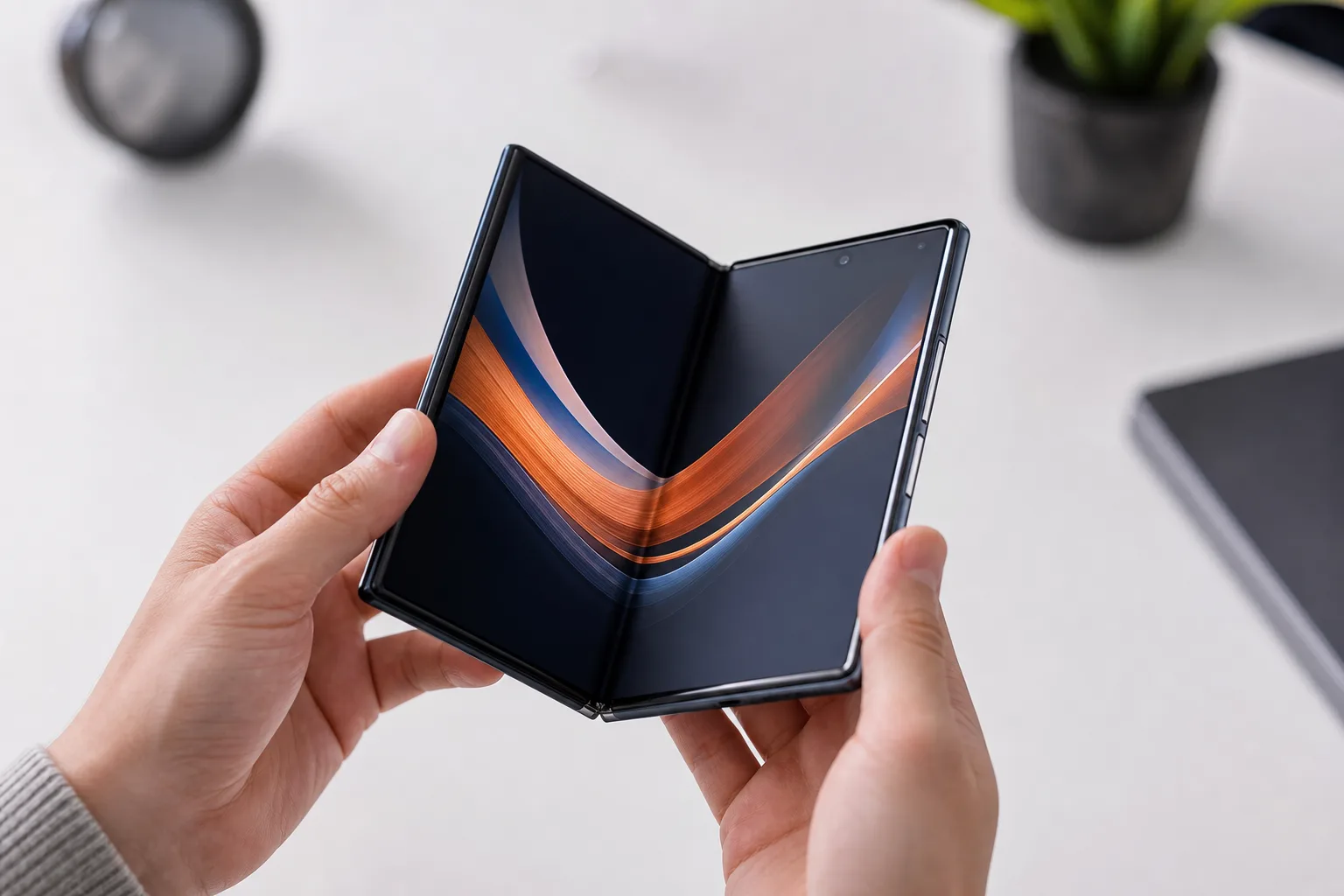
- Apple’s iOS 27 beta code contains direct iPhone Ultra foldable references including fold states and hinge angle detection.
- The iPhone Ultra foldable is tipped to launch in September 2025, and the software groundwork is clearly already being laid.
- iOS 27 features like full-screen widgets and updated iPhone Mirroring align suspiciously well with a large folding display.
- Apple joins Samsung in accidentally leaking foldable phone details through its own operating system code.
Table of Contents
Apple’s Own Code Outs the iPhone Ultra Foldable
Apple has long prided itself on airtight secrecy. Products get announced on Apple’s schedule, in Apple’s way, on Apple’s stage. So it’s more than a little ironic that the clearest confirmation yet of the iPhone Ultra foldable hasn’t come from a supply chain leak or a well-placed source — it’s come from Apple’s own software. iOS 27’s beta code, combed through by software engineer M1Astra (flagged via Bloomberg) and X user Sam Henri Gold, is littered with references that only make sense if a folding iPhone is genuinely in the pipeline.
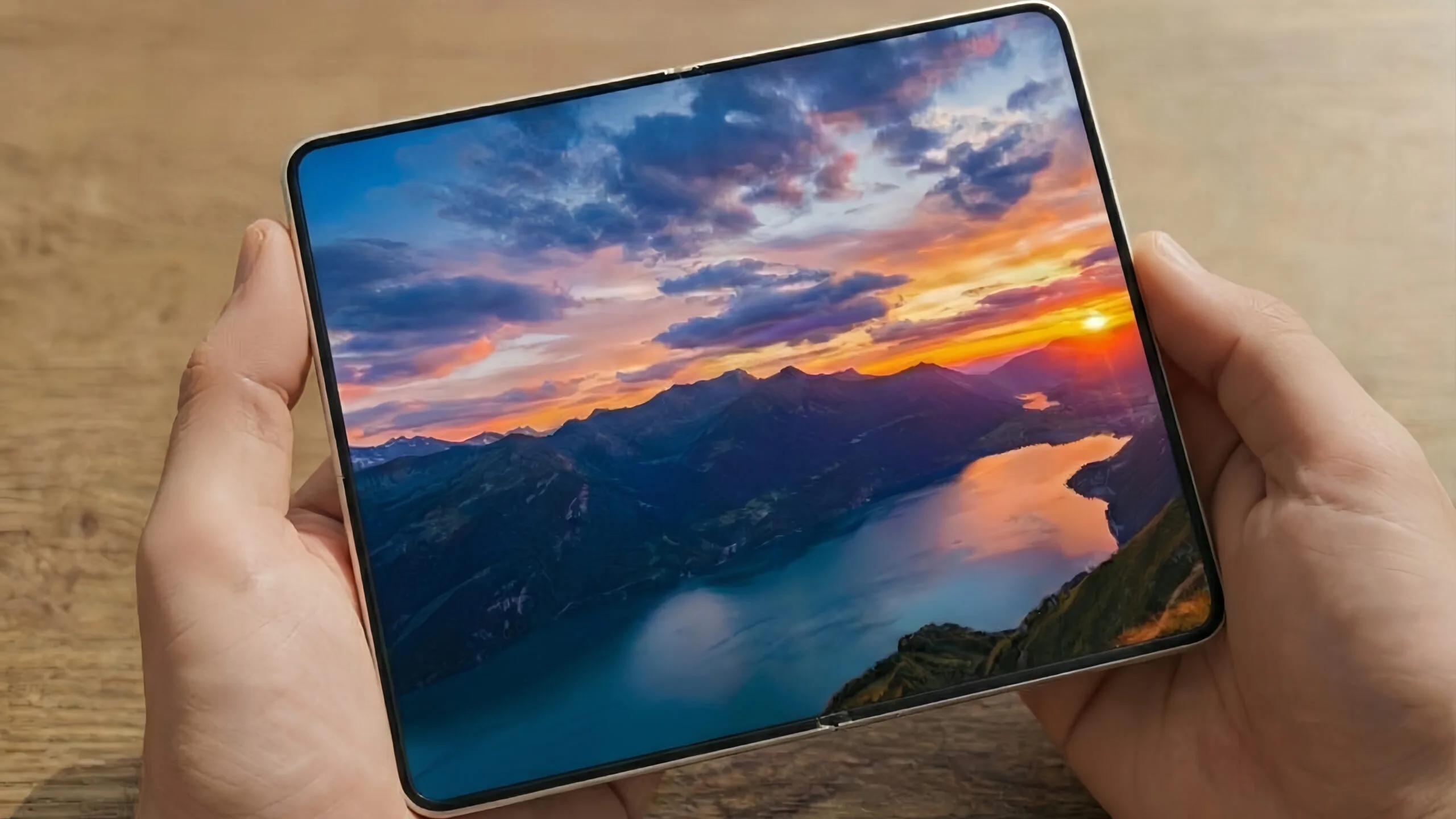
The specific strings turning heads include ‘foldState’, ‘angleDegrees’, ‘mechanicalAngleDegrees’, and ‘isanglevalid’. These aren’t ambiguous. ‘foldState’ is a direct reference to detecting whether a device is open or closed. The angle-related entries go further — they suggest iOS 27 can track precisely how far a hinge has been opened, which is the technical backbone of what Android users have known as Flex Mode for years. That’s a meaningful distinction: it’s not just open-or-shut, it’s a free-stop hinge that can hold the phone at any angle, like a laptop lid.
What the Code Actually Tells Us About the Hinge and Display
Free-stop hinges matter a lot more than they sound. Samsung’s Galaxy Z Fold series and Google’s Pixel 9 Pro Fold both use this mechanism to enable tabletop mode — prop the device at roughly 90 degrees and the top half becomes a viewfinder or video screen while the bottom half handles controls or a keyboard. It’s genuinely useful, and the fact that Apple’s code is already tracking ‘mechanicalAngleDegrees’ suggests this is exactly the kind of interaction model the iPhone Ultra foldable is being built around.
There’s also a second cluster of references buried in an internal screen-repair diagnostic tool. The iOS 27 version of this utility — used by Apple technicians to test and fix displays — now mentions a secondary display, a second protective screen layer, and two additional light sensors. Repair tools are about as unglamorous as software gets, which is partly why this detail is so credible. Nobody fakes a diagnostic utility for a product that doesn’t exist.
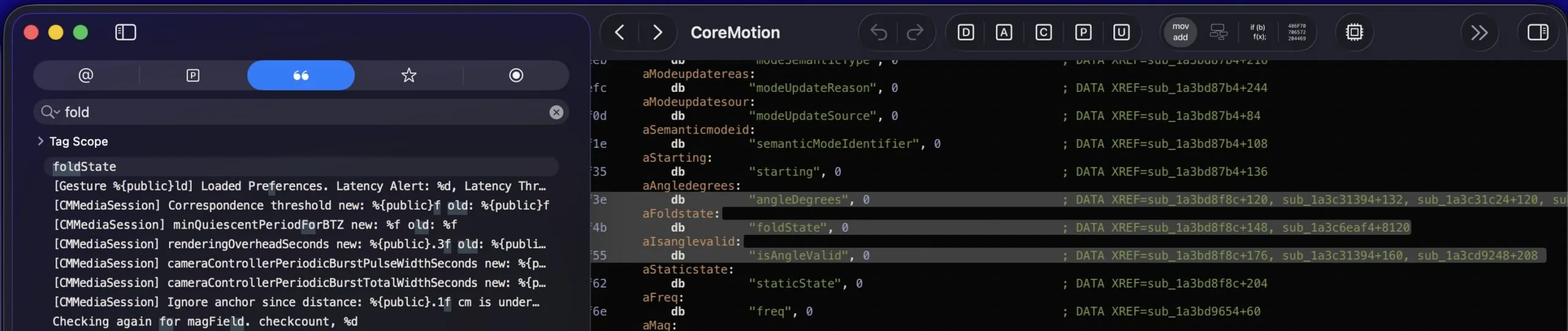
Gold’s screenshot of the relevant code sections has been widely circulated, and the references are unambiguous enough that even sceptics are finding them hard to dismiss. When you’re looking at hinge physics, screen state detection, and a service tool explicitly built for two displays, you’re not looking at coincidence.
iOS 27 Features That Suddenly Make a Lot More Sense
Beyond the raw code strings, Bloomberg points out that several publicly announced iOS 27 features look almost purpose-built for a foldable form factor. Apple’s new full-screen widgets — which can now occupy the entire iPhone display — would theoretically take up roughly half of the iPhone Ultra foldable‘s large inner screen when unfolded. That’s a natural content pane while the other half handles interaction.
Then there’s the updated iPhone Mirroring feature, which now lets a Mac display a connected iPhone in an iPad-sized window rather than a standard iPhone-sized one. It’s a small change on paper, but a meaningful tell: an unfolded iPhone Ultra foldable would have an inner screen approaching small tablet dimensions, and software that already knows how to handle that output size is software that’s ready for it.
Perhaps the most pointed signal, though, came from an Apple developer session where the company explicitly told app makers to stop designing for specific devices and orientations and instead design for a ‘dynamic range of sizes and aspect ratios.’ That’s not how you talk to developers when your product lineup is a rectangle in three sizes. That’s how you talk to them when a new form factor with two differently proportioned screens is about to land in their users’ hands.
Apple vs. Samsung: Who Leaks Their Own Foldable Better?
There’s a satisfying symmetry here. Earlier this year, Samsung’s One UI was caught harbouring images and animations for the upcoming Galaxy Z Fold 8 and Z Fold 8 Ultra before any official announcement. It’s an occupational hazard of shipping software updates months before hardware — the code has to be somewhere, and that somewhere is often accessible to anyone patient enough to look.
Apple, which has historically been more disciplined about this than its Android rivals, has now done essentially the same thing at scale. The difference is that iOS 27 doesn’t just contain a stray image or animation — it contains the functional logic for an entirely new device class. Hinge state detection, angle tracking, dual-display repair workflows, developer guidance for variable aspect ratios. That’s not a leaked render. That’s a product specification hiding in plain sight.
It’s worth putting this in the context of where the broader foldable market is heading. Samsung has sold foldables since 2019 and still owns the vast majority of the global market. Google entered with the Pixel Fold in 2023 and has been iterating since. Motorola, Huawei, and OnePlus all have entries in the space. Apple has watched all of this from the sidelines while quietly building — and apparently, less quietly than intended.
What to Expect When the iPhone Ultra Foldable Actually Arrives
The iPhone Ultra foldable is currently tipped for a September 2025 launch, slotting into Apple’s regular iPhone release window. Unofficial renders and leaked specifications have been circulating for months, but the iOS 27 code gives those rumours a new level of credibility. This isn’t a device that might happen — this is a device Apple is actively writing operating system logic for right now.
The Flex Mode equivalent is the feature to watch. Apple’s execution of partially-folded use cases will tell you a lot about how seriously the company has thought through the form factor versus simply shipping a folding screen because the market expects it. The angle detection code suggests real thought has gone into this. Whether the software experience at 90 degrees is as polished as it is at 0 or 180 will be the defining question of early reviews.
For developers, the ‘app adaptability’ push is the more immediate concern. Apps that haven’t been updated to handle variable aspect ratios are going to look rough on a device with an outer cover screen and a large inner display at completely different proportions. Apple has presumably given developers enough runway to fix this before September, but the history of new iPhone form factors — even something as simple as the notch — suggests not everyone will be ready on day one.
The iPhone Ultra foldable is no longer really a rumour. It’s a product Apple’s own software is already building for. The only question left is how well Apple has used the years it spent watching Android manufacturers figure out what works and what doesn’t.
Frequently Asked Questions
What is the iPhone Ultra foldable and when is it expected to launch?
The iPhone Ultra foldable is Apple’s first rumoured folding smartphone. Based on current leaks and iOS 27 code references, it’s expected to arrive in September, though unofficial renders and leaked specs have also contributed to what we know so far.
What does ‘foldState’ in iOS 27 actually tell us about the iPhone Ultra foldable?
The ‘foldState’ reference in iOS 27 suggests the operating system can detect whether the device is open or closed. Paired with ‘angleDegrees’ and ‘mechanicalAngleDegrees’ entries, it strongly points to a free-stop hinge that holds the phone at any angle, much like modern Android foldables.
Will the iPhone Ultra foldable support something like Android’s Flex Mode?
The iOS 27 code strongly implies it will. References to hinge angle detection suggest the same kind of functionality as Flex Mode on Android foldables, which enables hands-free video playback, video calls, and a larger software keyboard on the bottom half of the display.
How does Apple’s app adaptability concept relate to a foldable iPhone?
Apple told developers during a session to design for a ‘dynamic range of sizes and aspect ratios’ rather than fixed device types. This concept seems well suited to a foldable iPhone, as each screen is expected to have a different size and aspect ratio that apps will need to handle gracefully.

