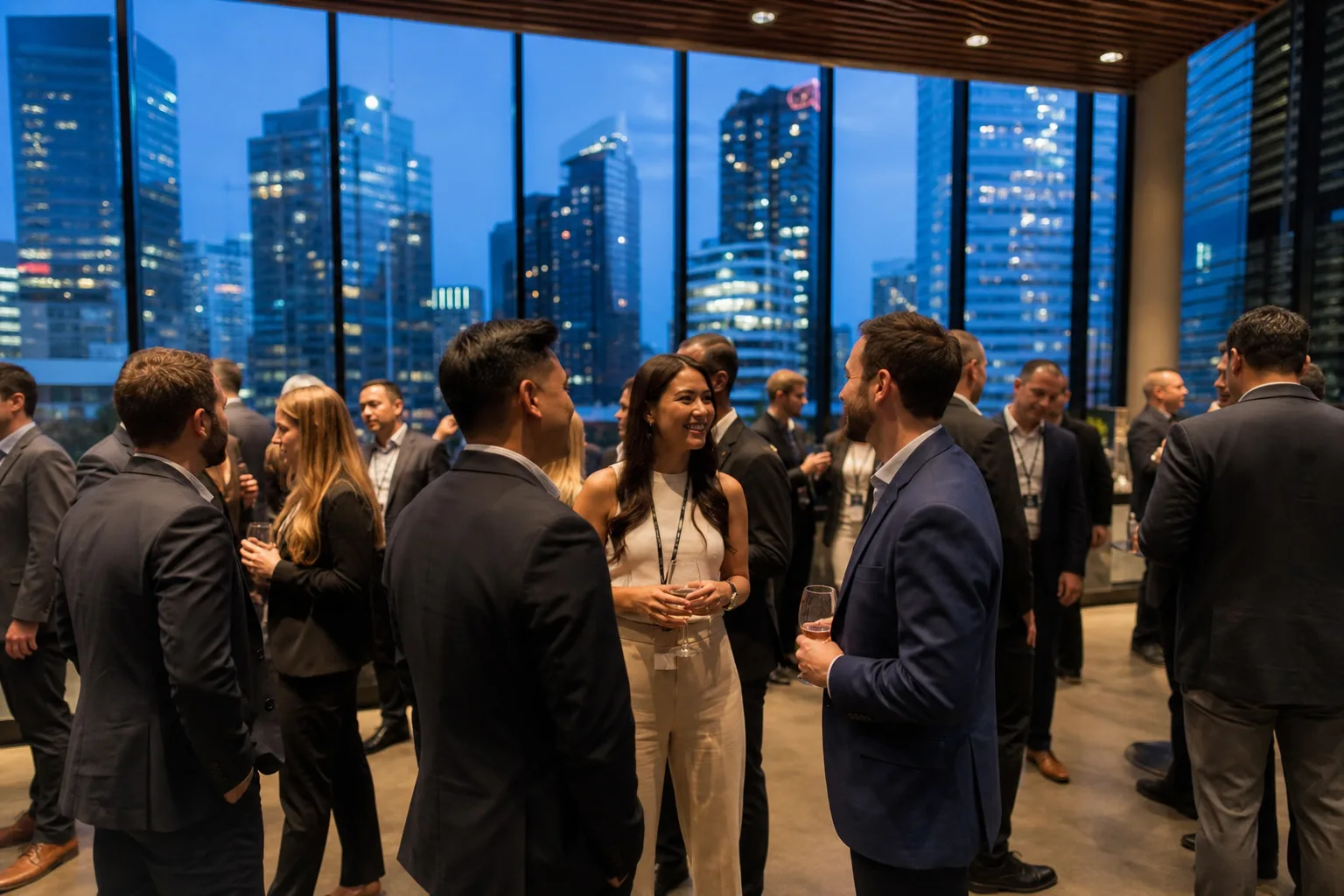
Every year, San Francisco transforms into the closest thing the tech world has to a home game. TechCrunch Disrupt side events are back for 2026, and the window to stake your claim — at zero cost — closes on September 4. If you’re a founder, a VC, or a brand trying to reach the people who actually shape the industry, this is one of those opportunities that’s easy to scroll past and hard to replicate once it’s gone.
- TechCrunch Disrupt side events run October 10–16, 2026 in San Francisco, with proposals due by September 4.
- Hosting TechCrunch Disrupt side events costs nothing to apply for and gives brands direct access to 10,000-plus attendees.
- Evening slots on October 13–15 are the prime window, with less competition and more focused audience attention.
- Formats range from VC office hours and workshops to intimate dinners — organisers choose their own structure.
Table of Contents
What TechCrunch Disrupt Side Events Actually Are
TechCrunch Disrupt is one of the longest-running and most recognised startup conferences on the planet. TechCrunch Disrupt has consistently attracted the kind of crowd that rewrites industries. The main programme is curated and competitive — getting on that stage is its own battle. But the side event programme is different. It hands the microphone to anyone with a compelling idea and a credible reason to gather people together.
This year’s event runs October 10–16 in San Francisco, and TechCrunch is inviting brands, investors, startups, and community organisers to host their own programming alongside the main conference. TechCrunch Disrupt side events are entirely up to the host in terms of format. You want to run a roundtable on AI infrastructure? Go for it. A casual happy hour for climate tech founders? That works too. VC office hours, deep-dive workshops, private dinners — the platform is deliberately open-ended, which is half the point.
Why Brands Should Take TechCrunch Disrupt Side Events Seriously
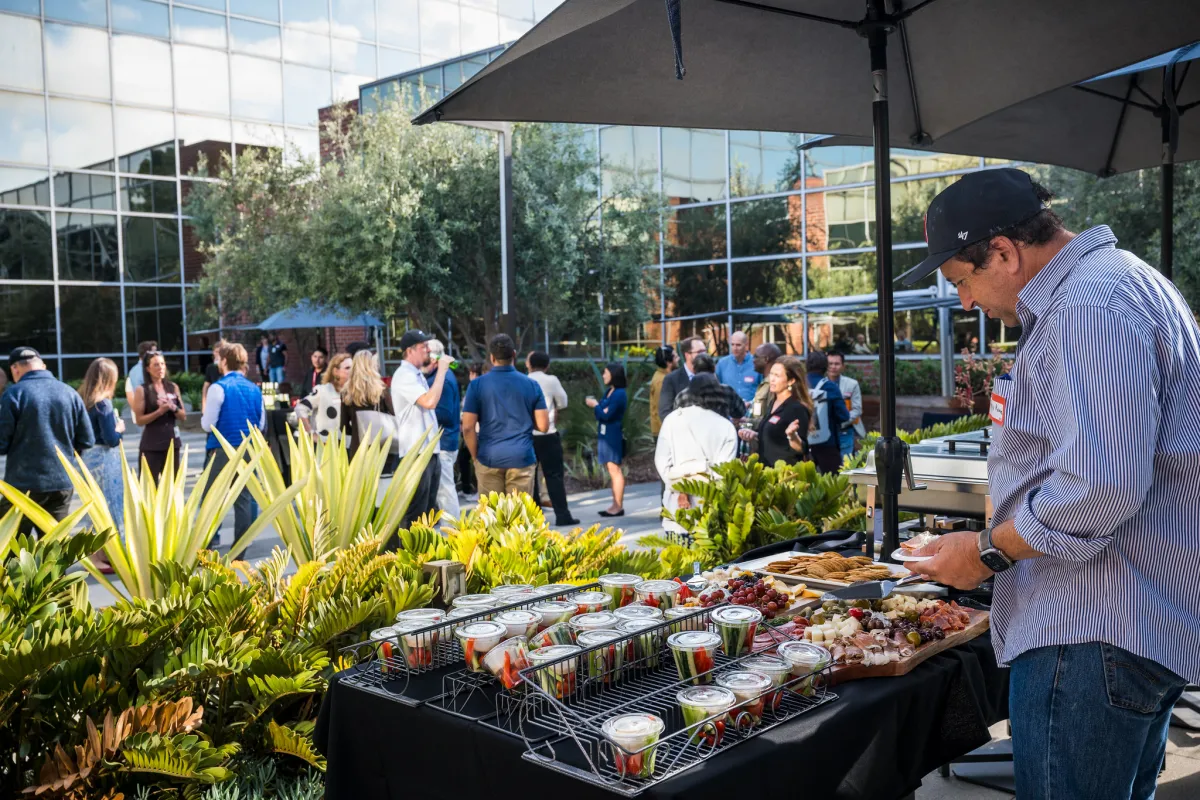
There’s a version of conference participation that looks impressive on a slide deck and delivers almost nothing in practice — a logo on a banner, a booth staffed by someone reading their phone. TechCrunch Disrupt side events are structurally different because they put the host in an active, curatorial role rather than a passive, decorative one.
When you host an event, you’re not sponsoring someone else’s narrative. You’re building your own. That distinction matters more than it might initially seem. The conversations that happen at a well-run evening roundtable or an intimate dinner tend to be the ones people actually remember months later. Contrast that with a booth interaction, which is almost always transactional and forgettable. The side event format is closer to how real relationships form — in a room where the topic is specific, the guest list is intentional, and the host has something genuine to say.
With over 10,000 founders, investors, and industry leaders expected to attend Disrupt 2026, the raw audience size is significant. But it’s the density of decision-makers in one place that makes it genuinely unusual. Getting 50 of the right people in a room is harder to orchestrate than most people realise — and that’s exactly what a well-positioned side event can do.
The Strategic Case for Evening Slots
TechCrunch is specifically encouraging hosts to programme evening events on October 13, 14, and 15 — the three nights that fall during the main conference days. The reasoning is straightforward and worth taking seriously: the competitive noise drops considerably once the formal sessions wrap up for the day.
During conference hours, attendees are pulled in ten directions simultaneously. Keynotes, panels, pitch competitions, investor meetings — the cognitive load is real. By the time evening arrives, the people who are still engaged are, almost by definition, the ones who care most. They’re not there to collect swag. They’re there because the conversations matter to them. For a host running TechCrunch Disrupt side events, that’s exactly the audience you want.
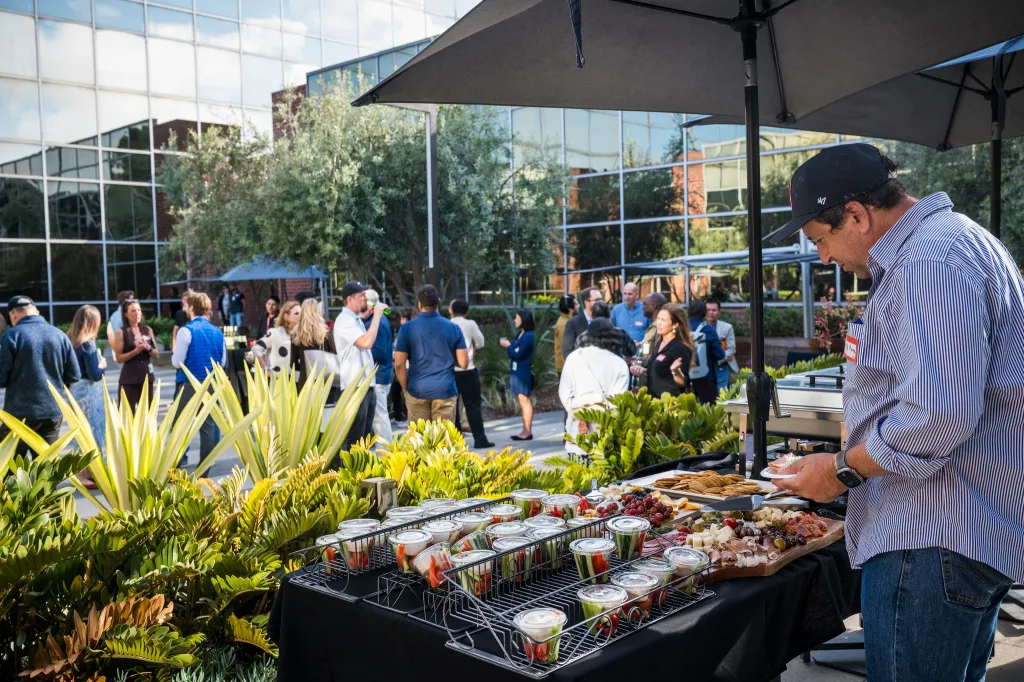
There’s also a simple scarcity argument. Fewer competing events in the evening window means your event doesn’t have to fight for attention the way it would during peak daytime programming. The signal-to-noise ratio improves, and the quality of engagement tends to follow. Anyone who’s hosted or attended conference side events before knows that the 7pm dinner table conversation often produces better connections than anything that happened under the main tent.
Who Should Be Applying Right Now
TechCrunch’s framing is deliberately broad, but it’s worth thinking concretely about who stands to gain the most from TechCrunch Disrupt side events this year.
- Venture capital firms looking to meet founders in a low-pressure context — office hours or a curated dinner removes the formality of a pitch meeting and often produces more honest conversations.
- Startups announcing a new product or pivot who want a credible platform that isn’t their own website or a paid press release.
- Enterprise tech companies targeting developer or startup audiences — a workshop format lets you demonstrate expertise rather than just assert it.
- Community builders and industry organisations who want to rally a specific vertical — climate tech, fintech, AI safety, whatever the focus — in a concentrated setting.
- International companies using Disrupt as their North American market entry moment, where visibility and first impressions carry outsized weight.
The no-cost-to-apply structure is genuinely unusual for an event of this profile. Most comparable conference ecosystems — think Web Summit’s side events, or the satellite programming around CES — carry real price tags for anything beyond a listing. TechCrunch’s model here lowers the barrier enough that even a well-funded seed-stage startup can realistically put something together.
How to Put Together a Proposal Worth Reading
The submission deadline is September 4, which sounds distant but isn’t — especially if your event requires coordination with speakers, catering, or a specific venue setup. TechCrunch handles much of the logistical heavy lifting once a proposal is accepted, but the proposal itself needs to do real work before that happens.
The strongest proposals for TechCrunch Disrupt side events will have a few things in common. A clear audience: not ‘tech people’ but something specific — early-stage founders in B2B SaaS, or climate investors focused on emerging markets. A format that matches the goal: if you want to build relationships, a 200-person standing-room cocktail party is usually worse than a 30-person seated dinner. And a reason why your organisation is the right host for this particular conversation — what perspective or access do you bring that nobody else at the conference can?
Vague proposals that read like marketing copy tend to fail. Specific ones — with a defined thesis, a realistic guest list, and a format that actually facilitates the stated goal — tend to succeed. That’s true whether you’re pitching TechCrunch Disrupt side events or a product launch, and TechCrunch’s team has seen enough of both to tell the difference quickly.
As the broader conference season continues to consolidate around a handful of must-attend events, the leverage available to brands that show up with intention — rather than just a cheque — keeps growing. The organisations that will get the most out of Disrupt 2026 won’t be the ones with the biggest booth. They’ll be the ones who built the best room.