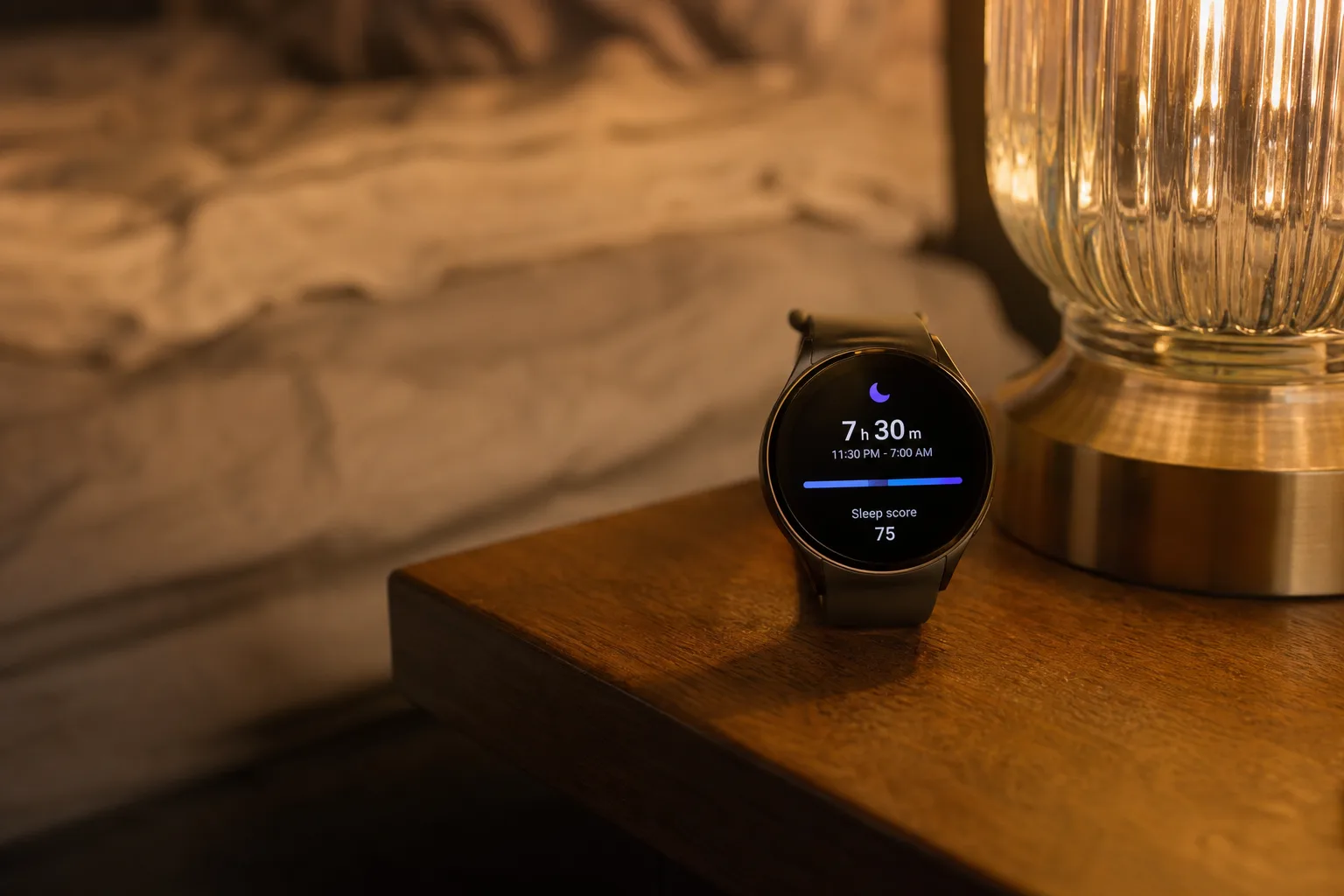
The Samsung Health update rolling out ahead of the Galaxy Watch 9 launch is generating real anticipation — and for good reason. Samsung is finally taking a harder look at what its health platform actually does with all the biometric data its watches collect around the clock. But the update’s success will hinge on one thing: whether it can turn numbers into genuinely useful guidance, especially when you’re sick.
- The Samsung Health update introduces a Vitals dashboard that tracks five overnight metrics to flag potential illness or recovery issues.
- Current Samsung Health update shortcomings mean the app misreads illness signals as stress, pushing users toward activity when rest is critical.
- Rival wearables like the Oura Ring 4 already use HRV dips to warn users they may be getting sick, raising the bar for Samsung.
- A new Fitness Index will compare users’ activity against other users, raising concerns for people managing chronic illness.
Table of Contents
The Galaxy Watch Already Has the Data — It Just Doesn’t Know What to Do With It
Here’s what makes Samsung’s current situation both frustrating and fascinating: the hardware isn’t the problem. The Galaxy Watch 8 is a capable sensor platform. It tracks heart rate variability (HRV), skin temperature fluctuations, respiratory rate, resting heart rate, and sleep stages with a level of detail that would have seemed extraordinary on a consumer device five years ago. The data is there. The intelligence to interpret it isn’t.
Take a practical example. Someone battling the flu spends over ten hours a night in bed, sees their resting heart rate climb, watches their HRV drop sharply, and experiences greater swings in skin temperature — all classic physiological markers of the body fighting infection. The Galaxy Watch 8 captures every one of those signals. But Samsung Health’s response? Flag the HRV drop as stress, recommend mindfulness exercises, and then — at 11pm — send a nudge to get some activity in to hit the day’s fitness goals.
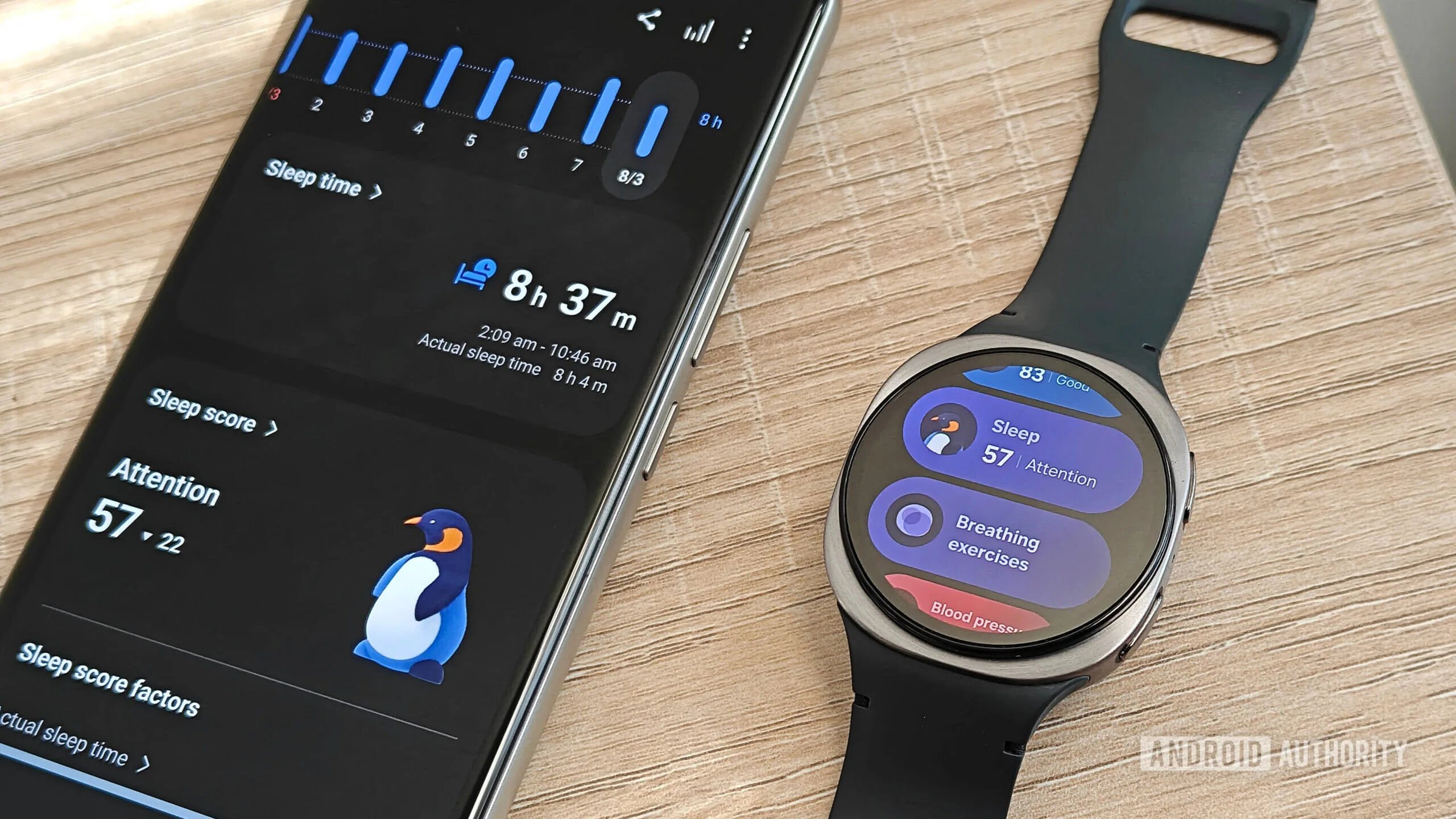
That’s not a small miss. That’s the app actively working against the user’s wellbeing. And it gets more jarring: once symptoms clear and HRV returns to baseline, Samsung Health congratulates you on managing your stress levels. The illness itself is never acknowledged. The data was all there — the interpretation just didn’t connect the dots.
What the Samsung Health Update Actually Promises
The headline feature of the upcoming Samsung Health update is the Vitals dashboard, timed to coincide with the Galaxy Watch 9’s expected launch. Samsung says it will monitor five overnight metrics — heart rate, HRV, respiratory rate, skin temperature, and blood oxygen saturation — and compare them against each user’s personal resting baseline. When multiple metrics deviate significantly, the app will surface an alert suggesting the user may need rest or could be fighting off an illness.
On paper, this is exactly the kind of contextual intelligence the platform has been missing. Rather than treating each metric in isolation, Vitals is designed to read them together — which is closer to how a doctor actually thinks about early-stage illness. A single night of poor sleep doesn’t mean much. But a simultaneous spike in resting heart rate, a drop in HRV, elevated skin temperature, and declining blood oxygen? That’s a pattern worth flagging.
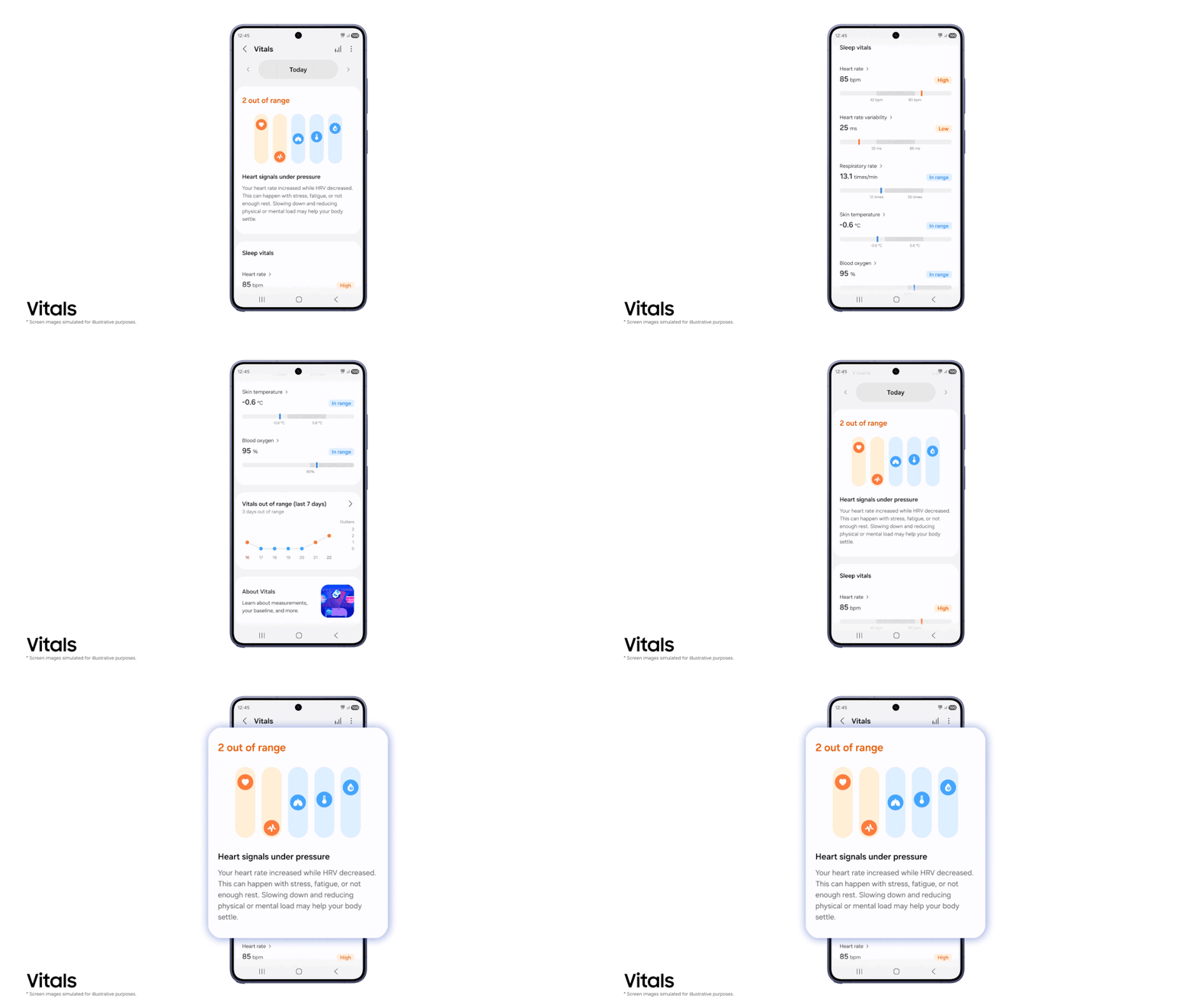
Samsung hasn’t published detailed technical specifications for how Vitals will set or adjust baselines, or how sensitive its deviation thresholds will be. Those details matter enormously for real-world usefulness. A system that fires alerts too frequently becomes noise. One that’s too conservative misses the moments that count.
Samsung Health Update vs. the Competition: Oura Has a Head Start
Samsung is entering territory that rivals — particularly Oura — have already staked out. The Oura Ring 4 reportedly uses HRV as one of its data points to help detect when a user may be getting ill. That’s a meaningful capability: the chance to recognize that something’s off a day before you actually feel sick, giving you the window to rest, hydrate, and potentially shorten the duration of an illness.
Fitbit, now under Google’s umbrella, offers a similar feature called Health Metrics, which surfaces resting heart rate trends, HRV, and blood oxygen data in a consolidated view. Apple’s approach with the Apple Watch leans more heavily on the user to interpret trends themselves, though watchOS’s notification system for irregular heart rhythm and low blood oxygen readings does provide specific clinical alerts.
What none of these platforms do perfectly — and what Samsung has an opportunity to get right — is the behavioral layer. Detecting a potential illness is one thing. Adjusting the app’s recommendations in response to that detection is another entirely. If Vitals spots that your overnight metrics are under pressure but Samsung Health still sends you a 10,000-step challenge at 7am, the feature is only half-built.
Samsung Health Update’s Biggest Unanswered Question: Will It Change What the App Tells You to Do?
The most important — and least confirmed — aspect of the Samsung Health update is whether Vitals will actually suppress or modify activity nudges when it detects physiological stress. The core frustration with Samsung Health isn’t that it lacks data. It’s that the data doesn’t feed back into the app’s recommendations in any meaningful way.
This matters beyond individual annoyance. There’s a real population of Galaxy Watch users who push through illness because they don’t recognize the early signs, or because they feel social and professional pressure to stay active. For those users, a smartwatch nudging them to hit their step count while their body is quietly mounting an immune response isn’t just unhelpful — it’s potentially counterproductive. Rest is one of the most effective interventions during the early stages of viral illness, and anything that discourages it has a real cost.
There’s also the energy score issue. Samsung Health’s current energy scoring can return favorable results even after genuinely inadequate sleep — four hours of sleep might still generate a “good” score if the algorithm leans heavily on certain factors. A Vitals-informed energy score that cross-references overnight biometrics against baseline data would be considerably more honest, and more useful.
The Fitness Index Problem: Data Without Context Can Do Harm
Alongside Vitals, the Samsung Health update introduces a Fitness Index that benchmarks individual activity against other users in aggregate. The idea is motivational: see where you stand, feel encouraged to improve. In practice, population-level comparisons are a blunt instrument.
For users managing chronic illness — conditions like fibromyalgia, lupus, ME/CFS, or long COVID — the types and amounts of activity that are appropriate look completely different from what a standard fitness benchmark assumes. Certain activities that are beneficial for a healthy user can genuinely worsen symptoms for someone with an energy-limiting condition. An index that doesn’t account for this doesn’t just fail those users — it risks adding to the psychological pressure they already face around activity and rest.
Samsung isn’t alone in getting this wrong. Most fitness platforms default to a one-size-fits-all model because personalizing for chronic conditions at scale is genuinely hard. But as wearable health data becomes more sophisticated, the expectation that platforms will account for individual health context is going to grow. The Vitals dashboard is a step in the right direction — it’s at least trying to read your body against your own baseline rather than a population norm. The Fitness Index, as described, isn’t.
What a Smart Samsung Health Update Would Look Like
The potential here is real. A platform that can detect the physiological signature of early illness, suppress counterproductive activity nudges, recommend rest, and then confirm recovery through the same biometric lens would be genuinely valuable — not as a medical device, but as a personal health companion that actually pays attention. That’s what users have been promised, implicitly, since smartwatches started shipping health sensors.
The Samsung Health update with Vitals gets Samsung closer to that promise than anything it’s shipped before. But the gap between detecting a deviation and responding intelligently to it is where most health platforms have historically stalled. Samsung has the sensor hardware, the user base, and now apparently the intent. Whether the software execution matches those advantages is what the Galaxy Watch 9’s launch will reveal. The bar set by Oura is clear. Now Samsung has to clear it.
Frequently Asked Questions
What does the Samsung Health update’s Vitals dashboard actually track?
The Vitals dashboard monitors five overnight metrics — heart rate, heart rate variability, respiratory rate, skin temperature, and blood oxygen — and compares them against your personal resting baseline to flag meaningful deviations that could signal illness or the need for extra rest.
How does the Samsung Health update compare to the Oura Ring for illness detection?
The Oura Ring 4 already uses HRV as one of its data points when a user is ill. Samsung’s new Vitals feature aims for similar proactive alerts, but will need to prove it can translate raw data into genuinely actionable guidance.
Will the Samsung Health update stop sending activity nudges when you’re sick?
Samsung hasn’t confirmed this explicitly, but the intent behind Vitals is to help users determine whether they need rest. Many users hope the update will suppress activity goal notifications when biometric data points clearly indicate illness or physical stress.
Does the Samsung Health update account for chronic illness in its Fitness Index?
Not yet. The new Fitness Index compares your activity against other users without factoring in chronic conditions. This is a significant gap for people whose health realities don’t map neatly onto standard activity benchmarks.