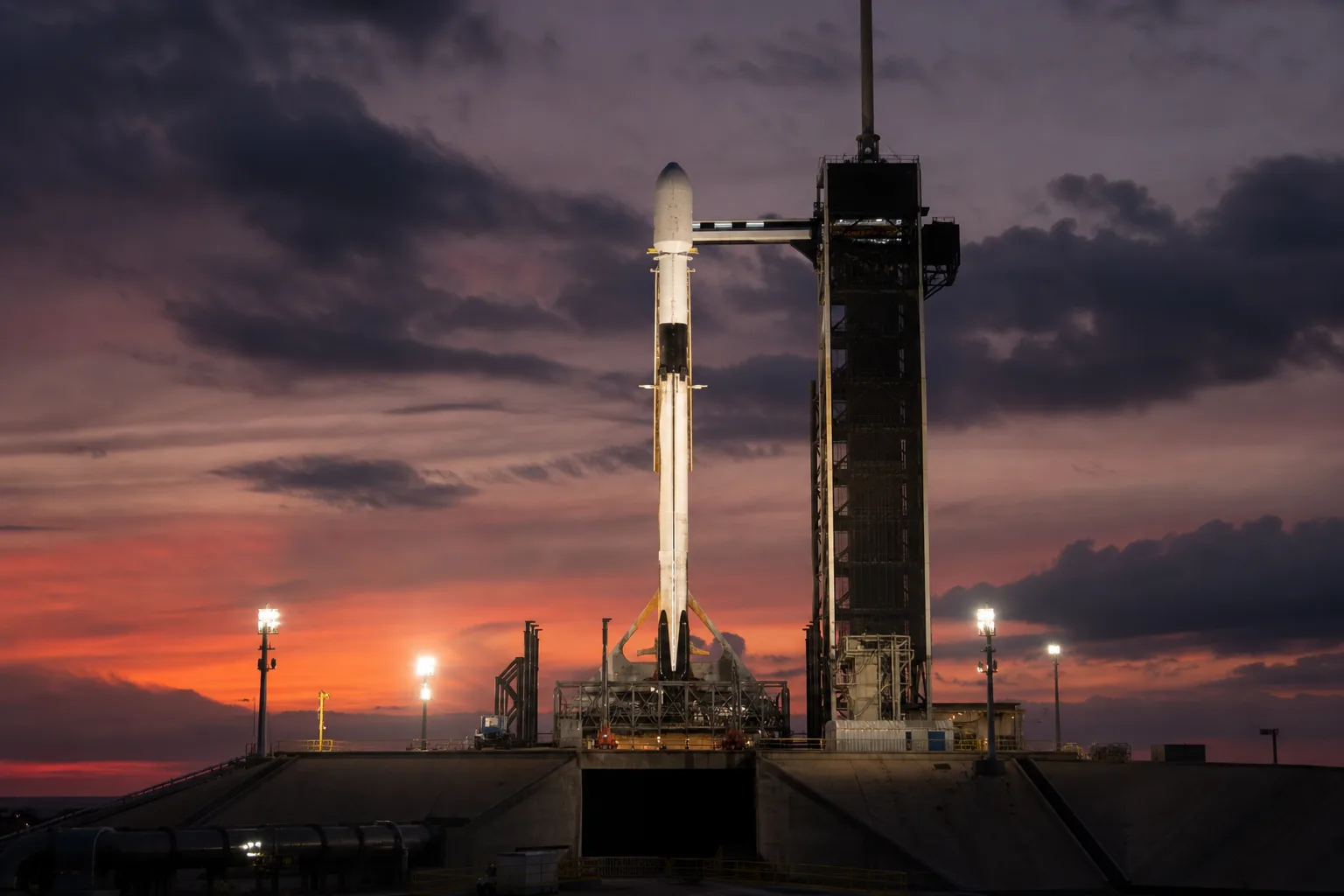
- SpaceX S&P 500 fast-track access has been officially denied, blocking an accelerated path into the index at IPO.
- The ruling means SpaceX S&P 500 inclusion will require meeting standard eligibility criteria after going public.
- Denial cuts off immediate access to trillions of dollars held by passive index funds that track the S&P 500.
- The decision raises broader questions about how major private tech companies should enter public markets.
Table of Contents
SpaceX S&P 500 Fast Track: The Ruling That Changes Everything
The SpaceX S&P 500 fast-track bid has been shut down. Index gatekeepers have ruled that Elon Musk’s rocket and satellite empire won’t get an express lane into America’s most prestigious stock benchmark when it eventually goes public — and that’s a bigger deal than it might initially sound. Fast-track inclusion would have meant billions of dollars in automatic buying pressure from passive funds the moment SpaceX shares started trading. Without it, that flood of capital won’t come on day one.
SpaceX is one of the most valuable private companies on earth. For context, its scale is such that it would place comfortably inside the top tier of the S&P 500 if it were already a member. The sheer scale of the company is exactly why the SpaceX S&P 500 fast-track question mattered so much — and why its denial is so noteworthy.

What a Fast Track Actually Means — and Why It Matters
To understand the stakes, it helps to know what an S&P 500 fast track actually is. Normally, when a company goes public through an IPO, it has to wait — sometimes months, sometimes longer — before being considered for inclusion in the index. The S&P 500 is managed by S&P Dow Jones Indices, and the committee that governs it looks at factors including market cap, liquidity, profitability, and public float before admitting a new member.
Fast-track status is rare. It has reportedly been extended to a handful of exceptionally large companies that were simply too big to ignore at the moment they went public. Being fast-tracked means index funds are forced to buy your stock almost immediately after listing, because they’re required to mirror the composition of the index. When you’re talking about the trillions of dollars sitting inside S&P 500-tracking ETFs and mutual funds, that’s an enormous and near-instantaneous injection of demand.
For SpaceX, that immediate SpaceX S&P 500 inclusion would have been extraordinary. The company’s IPO, whenever it happens, is expected to be one of the largest in history. A fast track would have supercharged early trading volume and potentially put a floor under the stock price in those critical first days. Without it, SpaceX will have to earn its way in the traditional route — meeting the committee’s criteria over time and waiting for the quarterly or special review cycle.
Why the Decision Isn’t Entirely Surprising
Strip away the hype around SpaceX and the fast-track denial actually makes a degree of sense from a governance perspective. The S&P 500 index committee isn’t in the business of doing Elon Musk any favors. Its job is to maintain the integrity of one of the world’s most closely watched benchmarks, and that means applying consistent standards.
One of those standards is profitability. SpaceX’s financials are notoriously opaque given its private status, but the company’s spending on Starship development, Starlink infrastructure, and its rapid launch cadence raises real questions about whether it clears that bar cleanly. SpaceX has reportedly reached profitability on its launch business, but the full picture — particularly when you factor in the capital intensity of building out a global satellite internet network — is complicated.

There’s also the question of public float. Given that SpaceX is tightly held by Musk and a concentrated group of institutional backers, the float at IPO could be relatively small compared to the total valuation — another potential sticking point for standard SpaceX S&P 500 inclusion, let alone fast-track status.
SpaceX S&P 500 Inclusion Is Still Coming — Just Not Immediately
Here’s the thing: the SpaceX S&P 500 story isn’t over — it’s just been pushed back. The denial of fast-track status doesn’t mean SpaceX won’t eventually join the index. It almost certainly will, assuming the IPO happens and the company meets the committee’s criteria. It just won’t happen on day one.
That timeline matters for investors trying to game out what early trading looks like. Without the guaranteed buying pressure from index funds, SpaceX shares will have to find their price through ordinary market forces in the initial weeks of trading. That’s not inherently bad — it could actually mean less artificial price inflation early on — but it removes one of the most reliable post-IPO tailwinds a company can have.

When SpaceX does eventually qualify for standard inclusion, the buying event will still be massive. A company this large landing in the index will force rebalancing across hundreds of funds managing collective assets in the tens of trillions. The SpaceX S&P 500 inclusion event just won’t be synchronized with the IPO itself.
The Bigger Picture: Private Giants and Public Markets
SpaceX’s situation highlights a broader tension that’s been building for years. The era of companies staying private longer — enabled by deep venture capital pools, sovereign wealth funds, and secondary markets — has produced a new class of businesses that are enormous and operationally mature by the time they contemplate going public. These aren’t scrappy startups seeking Wall Street’s validation; they’re established enterprises that have already reshaped industries.
That creates real friction with market infrastructure designed around a different model. Index rules, disclosure requirements, and governance standards were largely written for a world where a company’s journey from startup to major public entity was a more gradual one. When a massive private company shows up at the IPO window, the rulebook gets tested.
The S&P committee’s refusal to grant SpaceX a special carve-out is, in one reading, a reassertion of those standards against enormous commercial pressure. In another reading, it’s a signal that the financial system’s infrastructure is going to need to adapt as more mega-cap private companies eventually seek public listings. SpaceX won’t be the last company in this position — and the rules it plays by will set precedents for whoever comes next.
Whenever SpaceX’s IPO finally arrives — and the timeline remains genuinely uncertain, with Musk having given mixed signals about the company’s public market ambitions — the SpaceX S&P 500 index question will resurface. For now, Wall Street’s automatic doors won’t open the moment the ticker flashes. SpaceX will have to queue up like everyone else.