- Waymo EV batteries will be repurposed for grid-scale energy storage instead of being recycled after retirement.
- B2U Storage Solutions will receive thousands of Waymo EV batteries, each capable of powering the grid for seven or more years.
- The first deployments will hit California and Texas, where Waymo already runs active robotaxi fleets.
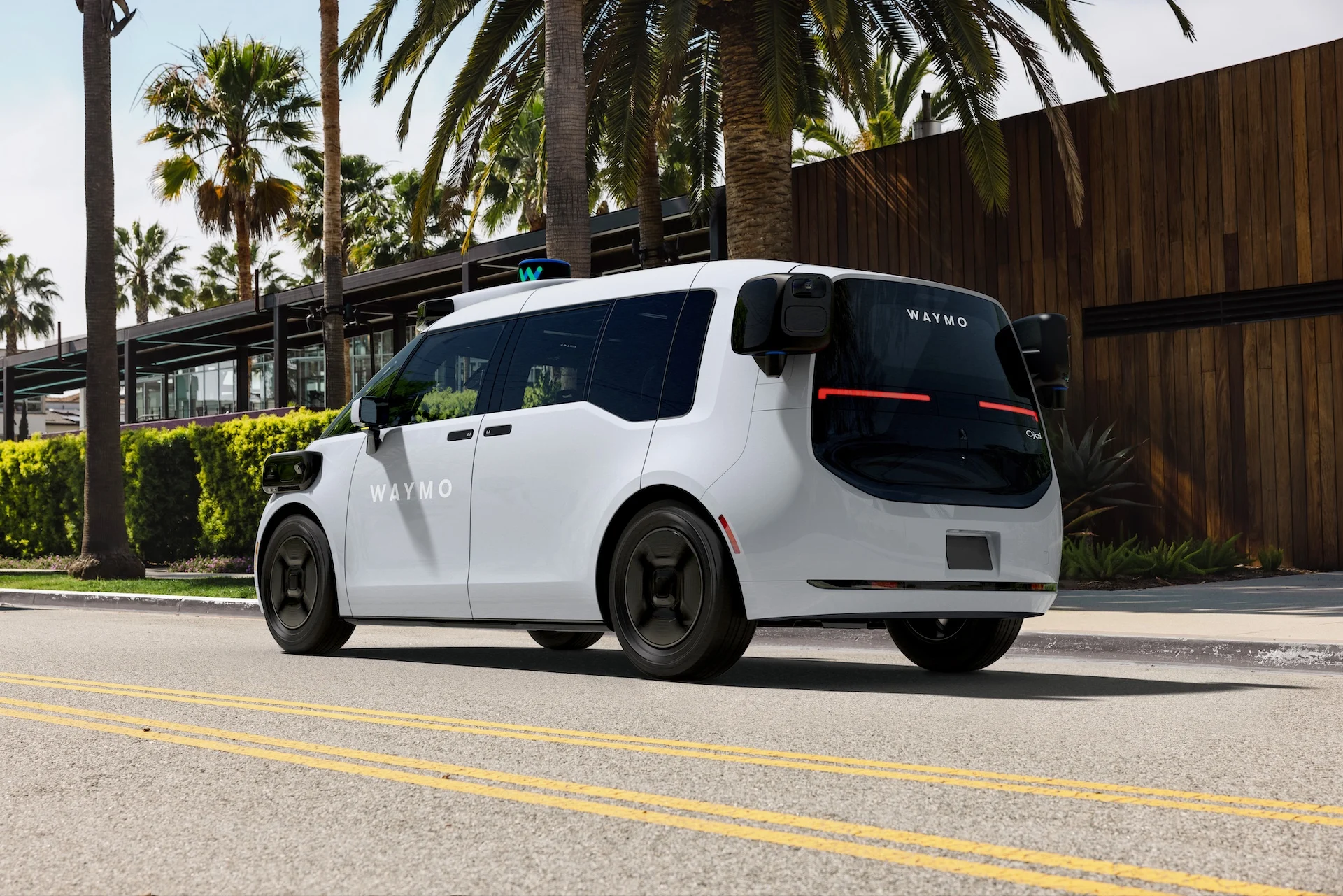
- Waymo is expanding fast — 577 registered vehicles in Texas alone, dwarfing Tesla’s 42 registered robotaxis in the state.
Table of Contents
Waymo EV Batteries Are Getting a Second Life
Most people assume a battery’s story ends the moment it’s pulled out of a car. Not anymore. Waymo announced this week that its Waymo EV batteries — once they’re no longer fit for the road — won’t be heading straight to a recycler. Instead, they’ll be repurposed to store renewable energy and help stabilize power grids in California and Texas. It’s a genuinely smart piece of circular thinking from a company that’s becoming as much an energy player as a transportation one.
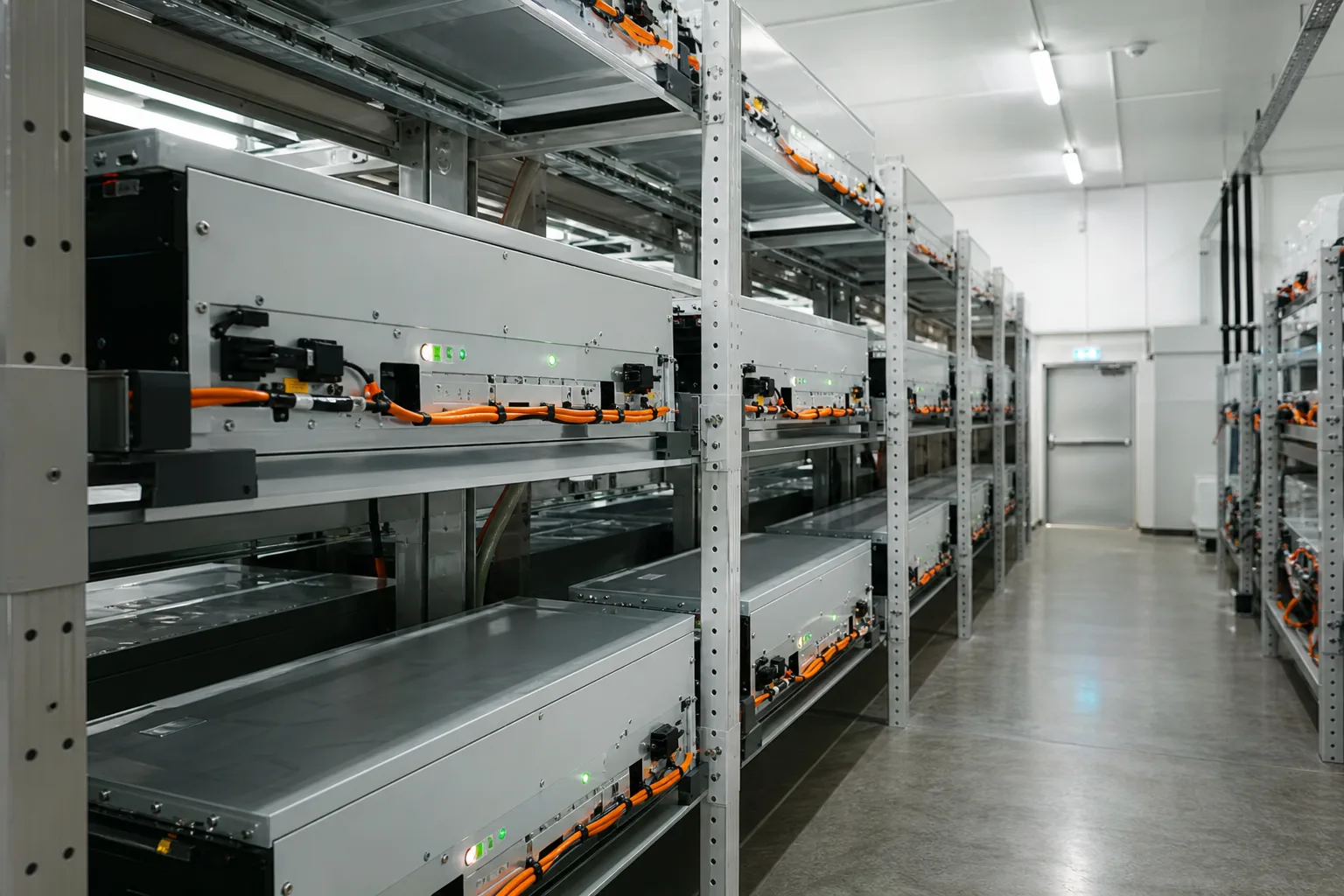
The move comes via a new partnership with B2U Storage Solutions, a California-based company that specializes in taking retired EV battery packs and deploying them at grid scale. Rather than melting them down for raw materials, B2U slots these batteries into purpose-built storage installations — think server-room-style sheds with racks holding six battery packs each — and connects them directly to the local grid.
How the Technology Actually Works
The process is simpler than you might expect. B2U CEO Freeman Hall described it as essentially plug-and-play: take a battery out of a Waymo vehicle, transport it to a storage facility, and have it grid-connected within days. That speed matters enormously for energy operators trying to scale up storage capacity quickly. There’s no lengthy remanufacturing process, no complex chemical reconditioning. The pack goes straight from car to rack.
Once deployed, the Waymo EV batteries serve a specific and increasingly critical function in the modern grid. Solar and wind generation tends to peak during the middle of the day, often producing more electricity than the grid can immediately consume. These battery systems absorb that surplus. Then, when demand spikes in the evening — when people get home, crank up the AC, and start cooking — the stored energy gets dispatched back into the grid. It’s a role that’s growing more important every year as renewable capacity expands faster than grid infrastructure can handle.
Hall said B2U expects to receive thousands of battery packs from Waymo, and that each one can realistically keep contributing to grid storage for seven or more additional years. When you’re talking about a fleet that Waymo plans to scale to tens of thousands of vehicles at its Phoenix-area factory, the cumulative storage potential is substantial. The company says the partnership could eventually deploy hundreds of megawatt-hours of capacity — enough to make a real dent in grid balancing, not just a feel-good pilot program.
Why This Matters Beyond the Press Release
The circular economy angle here is real, not just corporate spin. Waymo EV batteries exiting vehicles still carry a meaningful percentage of their original capacity — typically anywhere from 70% to 80%, according to industry estimates. That’s more than enough for stationary storage, where the weight and size constraints of an automobile are irrelevant. The alternative — mining new lithium, cobalt, and manganese to build fresh grid batteries — is expensive, environmentally intensive, and slow. Repurposing fleet batteries sidesteps a big chunk of that supply chain problem.
It also creates a genuine financial incentive for Waymo. Rather than paying to recycle or dispose of battery packs, the company can now treat them as assets with an extended revenue tail. Adam Lenz, Waymo’s head of Sustainability and Environment, put it plainly: “Through this partnership, we can repurpose our batteries for local grid storage and ensure our batteries continue to provide economic and environmental value to the community long after they’ve retired from the road.” That’s not just sustainability messaging — it’s a changed cost equation.
California and Texas aren’t random choices for the first deployments, either. California has some of the most aggressive renewable energy mandates in the country and chronic evening grid stress — it’s the state that’s had to beg residents to cut power usage on hot summer nights. Texas, operating its own isolated ERCOT grid, has been notoriously vulnerable to demand spikes and supply shortfalls since the catastrophic winter storm of 2021. Both states have a pressing, practical need for distributed grid storage. Waymo also happens to run active robotaxi fleets in both, which means a steady local supply of retiring battery packs.
Waymo’s Bigger Expansion Picture
This battery partnership lands at a moment when Waymo is scaling aggressively. The company recently announced it’s expanding its Miami coverage area and plans to push into Austin, Atlanta, Houston, and the San Francisco Bay Area in the near term. In total, Waymo says it will cover more than 1,400 square miles across 11 cities — an area it notes will eventually exceed the entire state of Rhode Island, which clocks in at roughly 1,200 square miles.
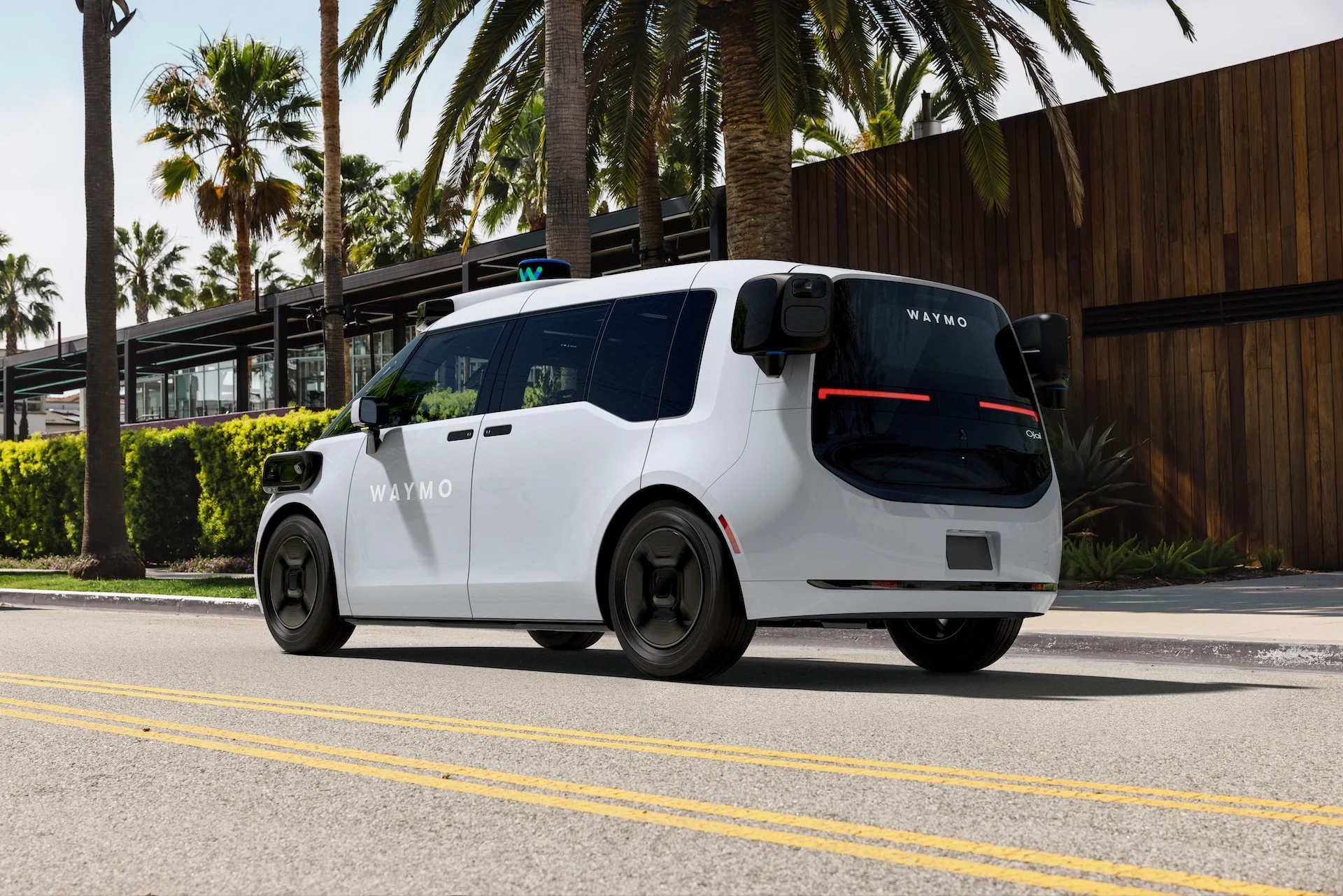
More vehicles mean more Waymo EV batteries cycling through the system over time. At the production volumes Waymo is targeting — scaling its Phoenix factory to tens of thousands of units annually — the volume of retiring packs will grow significantly within the next few years. That makes the B2U deal more than a one-off sustainability initiative; it starts to look like infrastructure planning.
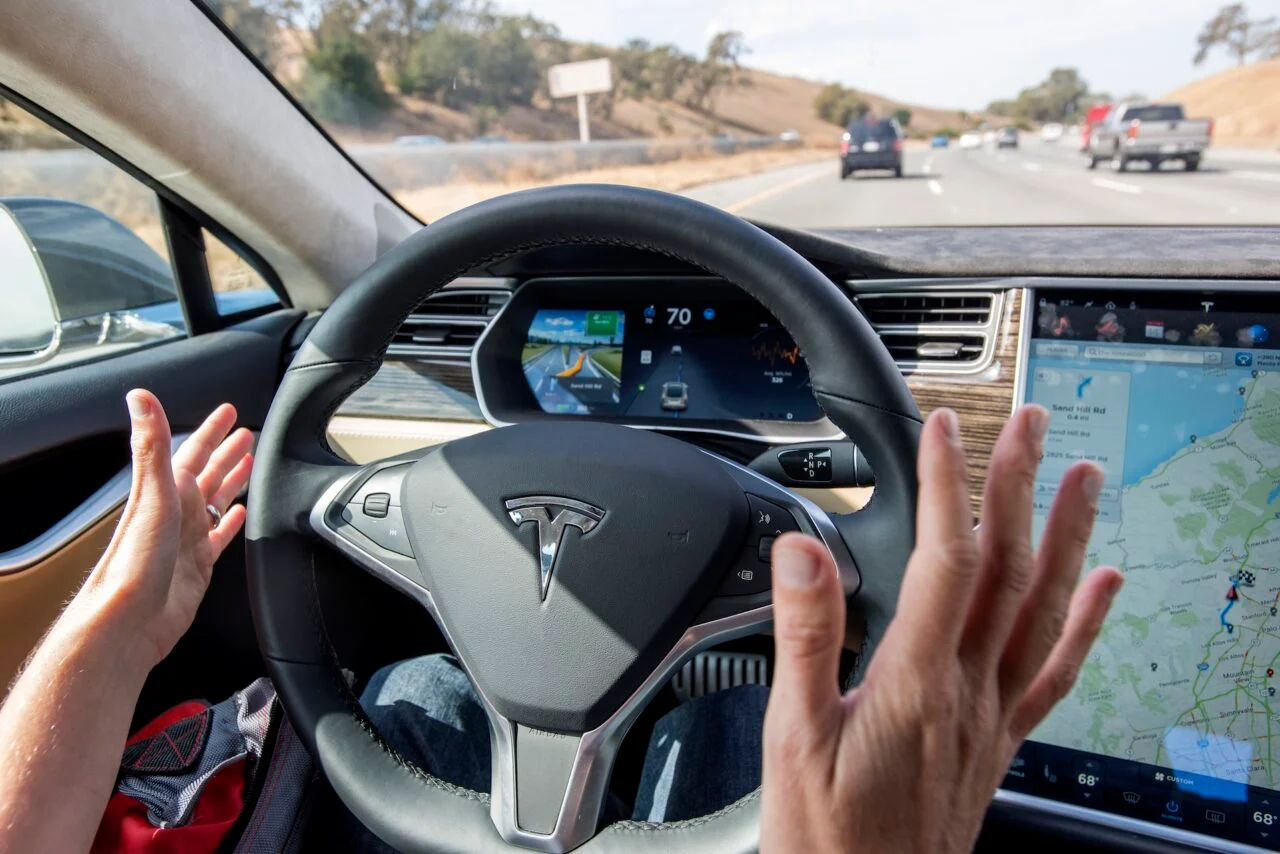
The competitive context is worth keeping in mind, too. Tesla has positioned its robotaxi ambitions loudly in the press, but the numbers on the ground tell a different story. According to a Texas Department of Motor Vehicles database, Tesla had just 42 registered robotaxis in the state as of late May. Waymo had 577. That’s not a close race. And while Tesla’s Megapack business gives it a separate grid storage play, Waymo is carving out its own position in the energy storage conversation — not by building new battery products, but by making smarter use of the ones it already has.
The Broader Industry Shift
Waymo isn’t the first company to explore second-life battery programs — Nissan did early work with its Leaf packs, and BMW has run stationary storage pilots with retired i3 batteries. But the scale that a robotaxi fleet brings is different in kind, not just degree. A single consumer EV produces one retiring battery pack every several years. A fleet of tens of thousands of vehicles is a continuous, predictable supply chain of battery packs at known degradation profiles — exactly the kind of feedstock that a company like B2U can build a real business around.
As more automakers and fleet operators face the question of what to do with retiring Waymo EV batteries and their equivalents across the industry, the B2U model — fast deployment, grid integration, extended asset life — is likely to attract significant attention. The energy storage market is expected to grow dramatically through the rest of this decade, and the cheapest new storage unit is often the one you don’t have to manufacture from scratch. That math is only going to get more compelling as EV fleets scale up and more battery packs start reaching end-of-vehicle-life in volume.