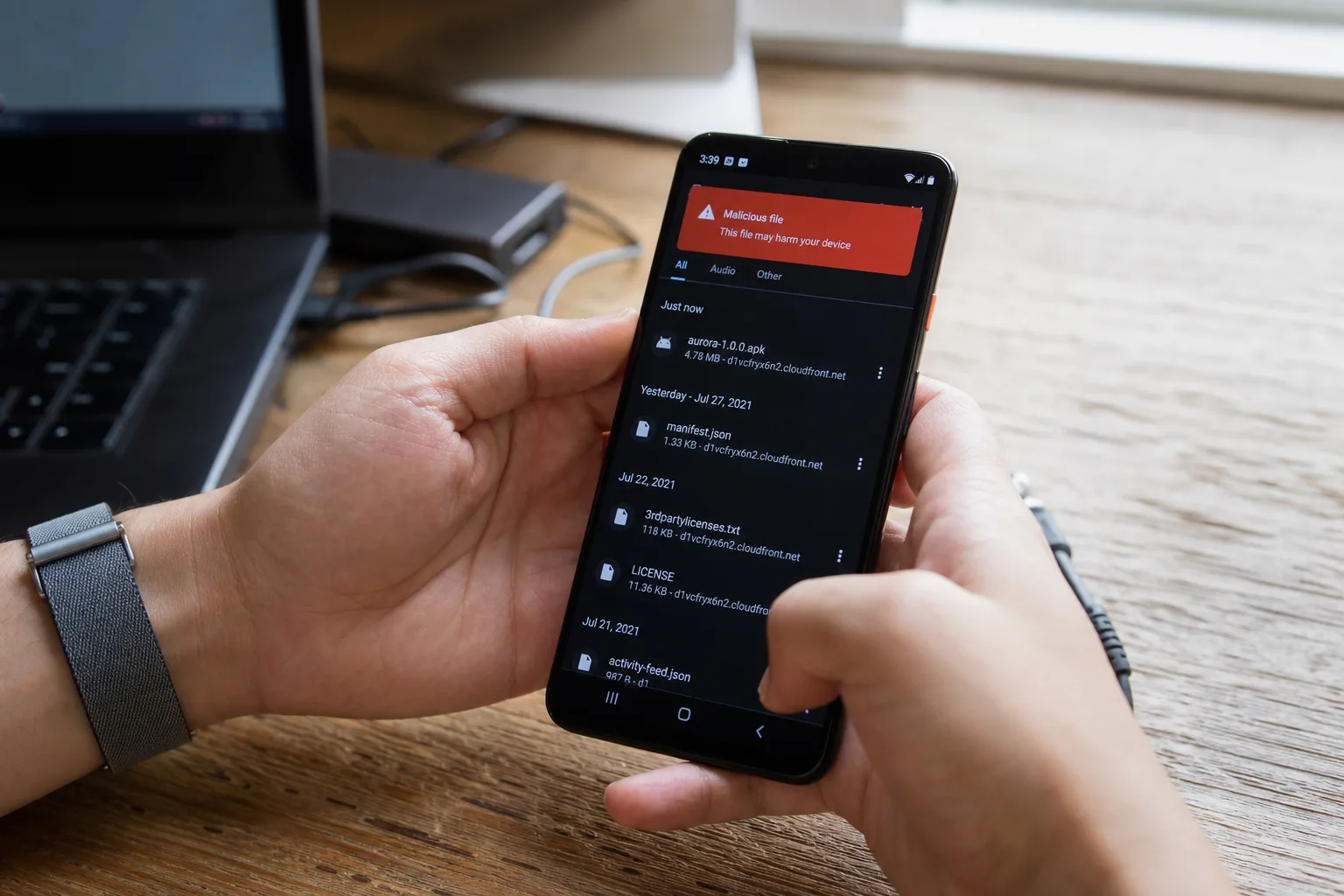
- The Android sideloading crackdown begins in September, requiring a 24-hour wait before installing unverified APKs.
- NewPipe’s developers are openly refusing to comply with the Android sideloading crackdown and are coaching users on workarounds.
- F-Droid previously warned the new rules could eventually eliminate alternative app stores entirely.
- Power users, emulator fans, and open-source app communities will feel the most immediate impact.
Table of Contents
The Android Sideloading Crackdown Is Real — and It Starts This September
The Android sideloading crackdown that developers have been dreading for months is no longer a distant threat. Starting September 2025, Google will begin enforcing a new set of rules that fundamentally change how users can install apps outside the Play Store — and the open-source community isn’t taking it quietly. Apps like NewPipe, the wildly popular ad-free YouTube client, have already started pushing notifications to users warning them what’s coming and, crucially, how to navigate around it.
Sideloading — the ability to install an Android APK file from any source you choose — has been one of Android’s defining advantages over iOS since the platform launched. It’s the reason Android attracted developers who wanted freedom, power users who wanted control, and a thriving ecosystem of open-source apps that would never survive Play Store review. For nearly two decades, Google tolerated this openness as a core part of Android’s identity. That’s now changing, and the Android sideloading crackdown is the clearest signal yet of that shift.
What Google’s New Rules Actually Require
The specifics of the Android sideloading crackdown matter here, because the devil really is in the details. Under the new framework, developers who want their APKs to install without friction will need to register a Google developer account, verify their identity with a valid government-issued ID, and pay a $25 fee. That process mirrors what’s already required to publish on the Play Store — which is precisely why critics find it so troubling. The whole point of distributing outside the Play Store, for many developers, is to avoid exactly that kind of gatekeeping.
For apps distributed by developers who choose not to register — or who simply can’t, because their app exists in a legal grey area — users will hit a mandatory 24-hour waiting period before installation is allowed. Think of it as a cooling-off timer designed to give users pause. Google’s framing is consumer protection. The open-source community’s framing is considerably less charitable.
There is a partial escape valve: once a user has sat through the 24-hour lockout a single time, they can permanently enable unrestricted sideloading for all unverified apps going forward. It’s opt-in friction rather than a hard block. But that framing assumes users even know the option exists — and most won’t.
Why NewPipe Is Leading the Resistance
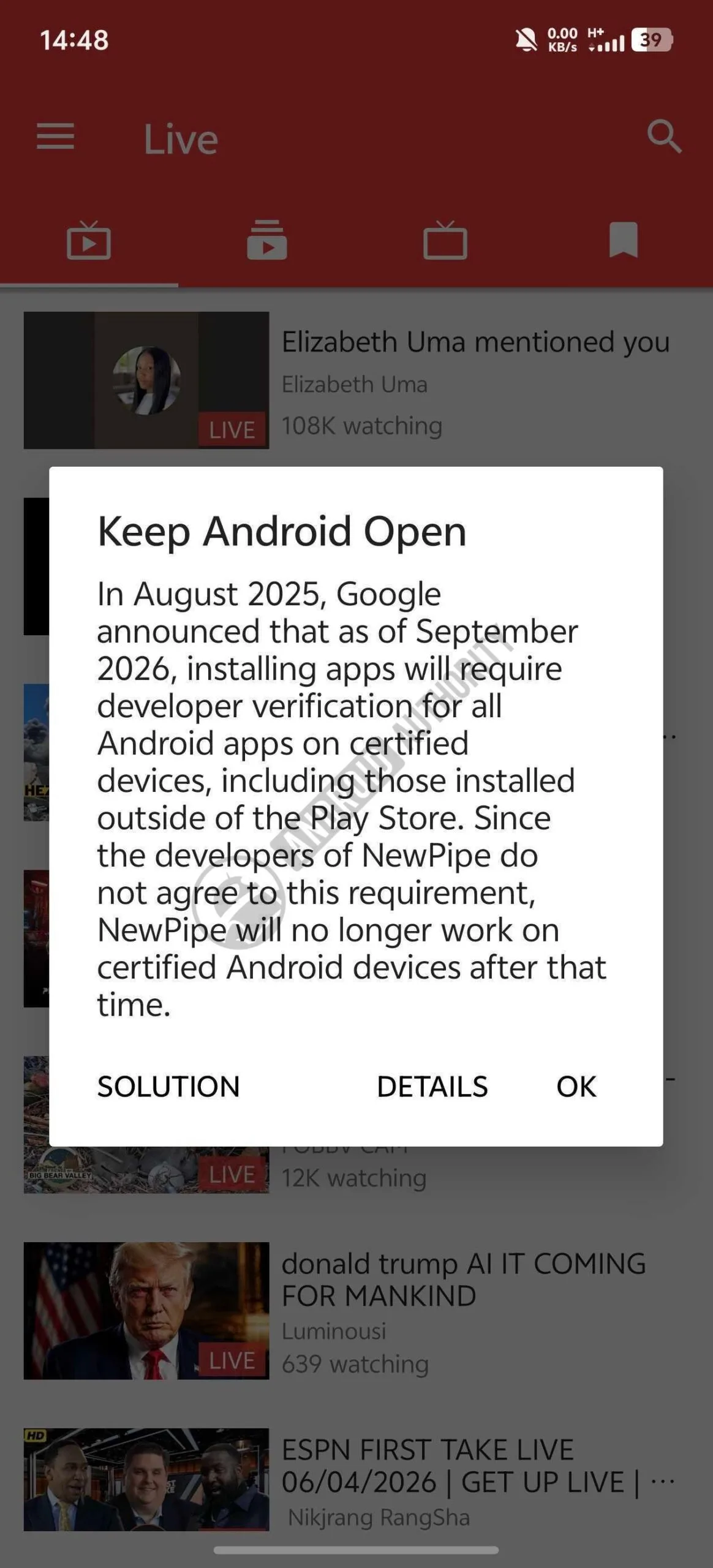
NewPipe’s developers have been unusually direct about their position. They’ve started surfacing in-app messages telling users about the upcoming policy change, explaining what it means for them, and making clear that the NewPipe team will not be complying with Google’s verification requirements. That last point is significant. NewPipe exists precisely because it lets users watch YouTube without ads or tracking — something Google, as YouTube’s parent company, has every incentive to discourage. Expecting NewPipe to register with Google and hand over identity documents is, from the project’s perspective, a non-starter.
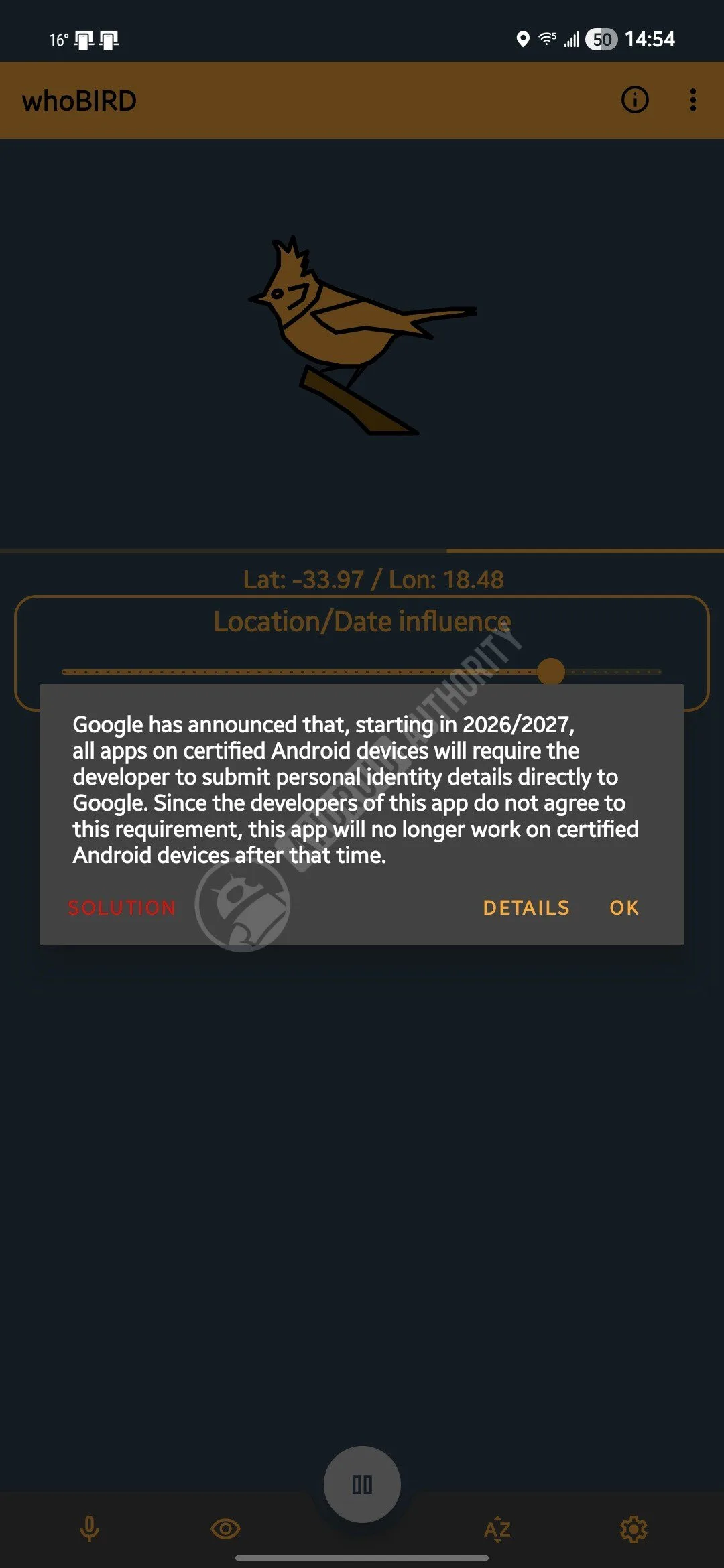
NewPipe isn’t alone. A range of open-source Android apps have begun similar user education campaigns, trying to get ahead of the confusion that will arrive when the restrictions go live. The apps most affected by the Android sideloading crackdown share a common profile: they’re distributed through alternative channels like F-Droid, they serve audiences who specifically want to avoid Google’s ecosystem, and they often operate in legal grey zones — ad blockers, game emulators, YouTube clients, modding tools. These aren’t the apps Google’s security team is losing sleep over. But they’ll bear the brunt of the new rules anyway.
F-Droid’s Warning: This Could Get Much Worse
If you want to understand the stakes here, look at what F-Droid — the de facto home of open-source Android apps — has been saying. The F-Droid team hasn’t minced words. They’ve called Google’s promises to keep Android open “false” and argued that the Android sideloading crackdown, if left unchallenged, could set a precedent that leads to alternative app stores being squeezed out entirely.
That’s not paranoia. It’s a logical extrapolation of the trajectory. Today it’s a 24-hour wait and an identity verification requirement. Tomorrow it could be mandatory Play Protect scanning for all sideloaded APKs. The step after that could be OEM-level restrictions that make sideloading practically impossible on most consumer devices. Each step sounds reasonable in isolation. Together, they close the door on the open Android that developers and enthusiasts have relied on for nearly twenty years.
The comparison to Apple’s App Store ecosystem is unavoidable — and uncomfortable for Google. For years, Android’s openness was the point of competitive differentiation. Google marketed Android’s flexibility as a feature. The Android sideloading crackdown signals a quiet retreat from that positioning, even if Google would never frame it that way publicly.
The Security Argument — and Its Limits
Google’s stated justification is security, and it’s not entirely wrong. Sideloading is a genuine attack vector. Fraudulent APKs impersonating banking apps, malware dressed up as cracked games, stalkerware distributed through unofficial channels — these are real problems, and they disproportionately affect less technically sophisticated users who don’t fully understand what they’re installing. A 24-hour friction window and a push notification explaining the risks could, in theory, prevent some of that harm.
But security justifications can cover a lot of ground. The same logic that protects a first-time Android user from a phishing APK also catches NewPipe, Delta Emulator’s Android equivalent, and every other app that legitimate users actively seek out. Google isn’t targeting bad actors specifically — it’s adding friction to the entire category. The collateral damage to the open-source community is significant, and it’s hard to believe Google’s policy team didn’t see it coming.
There’s also a competitive lens worth applying. Google has obvious financial incentives to push app distribution through the Play Store, where it takes a cut of transactions and controls discovery. Framing the Android sideloading crackdown purely as a consumer protection measure is convenient, but it papers over a motivation that has nothing to do with user safety.
What This Means for Android’s Future
The Android sideloading crackdown is, in a real sense, a test of how much Android’s openness was ever more than marketing. If Google can implement these restrictions without significant regulatory pushback or user revolt, it establishes a template for going further. The EU’s Digital Markets Act has forced Apple to allow sideloading on iOS in Europe — the irony of Google now moving in the opposite direction on its own platform isn’t lost on developers who’ve been watching both stories unfold simultaneously.
For NewPipe users, the practical advice is simple: follow the app’s own guidance, sit through the 24-hour window once, enable unrestricted sideloading permanently, and move on. For the broader Android ecosystem, the implications are harder to dismiss. The developers building apps outside the Play Store — the emulator builders, the privacy tools, the ad-free media clients — are the people who made Android interesting. Treating them as a security threat to be managed is a choice, not a necessity. And it’s a choice that will define what Android means for the next decade.