

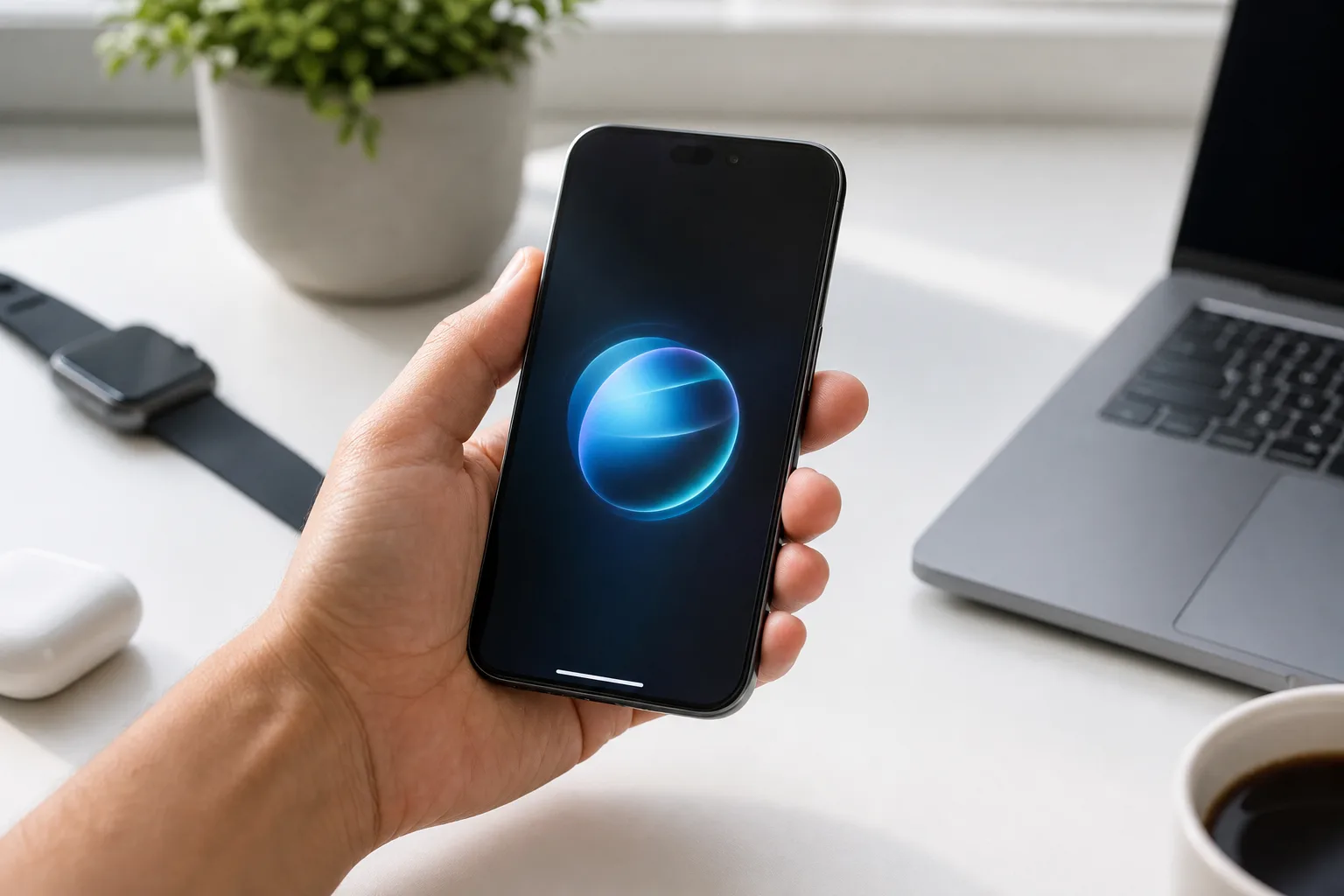
- New Siri is set for yet another reintroduction at WWDC this year, this time reportedly built on top of Google’s Gemini.
- Apple’s delayed AI rollout led to a class-action lawsuit settlement, compensating iPhone owners for features that never shipped.
- New Siri could benefit from growing public distrust of aggressive AI assistants like Gemini, giving Apple an unlikely opening.
- Apple’s privacy-first pitch — including Private Cloud Compute and optional chat deletion — may resonate with AI-weary users.
Table of Contents
New Siri, Take Two — Or Is It Three?
New Siri is coming. Again. At WWDC on Monday, Apple is expected to formally reintroduce its AI assistant to a world that’s already been promised a smarter Siri before — and was let down. This isn’t a minor update to a voice command system. According to Bloomberg’s reporting ahead of the conference, Apple is planning to deploy Siri across the Dynamic Island, Photos, and possibly a first-ever standalone Siri app. That’s a very different product from the mostly background-dwelling assistant that currently handles timers and weather queries.
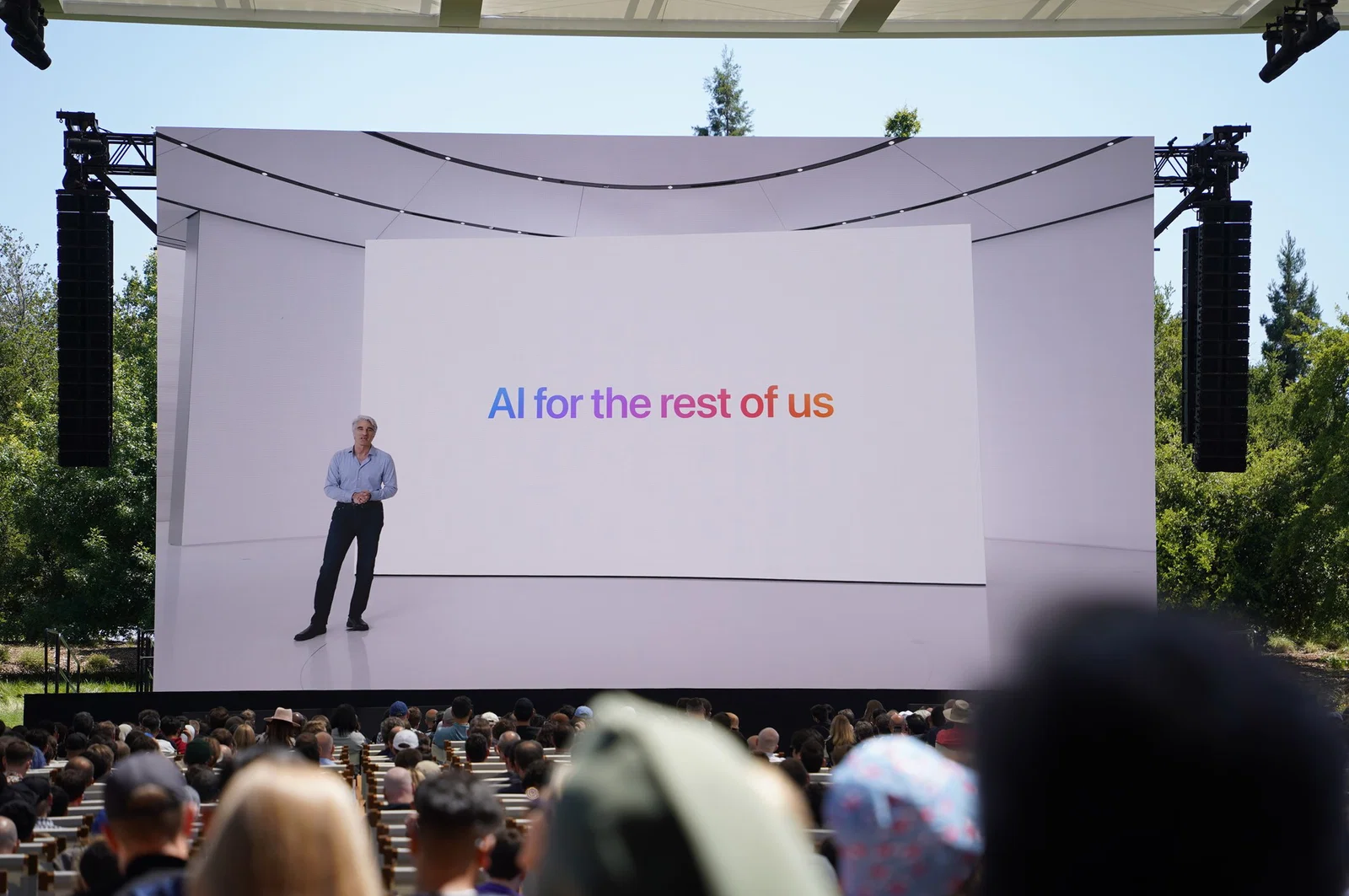
To appreciate why this moment matters — and why there’s genuine skepticism attached to it — you have to go back to 2024. That’s when Apple unveiled what it called Apple Intelligence, debuting a redesigned Siri with a glowing animated border, additional voice options, and a hook-up to OpenAI’s ChatGPT for questions Siri couldn’t handle itself. The company promised that the real AI smarts were coming soon. They weren’t. The gap between Apple’s marketing and the reality of what shipped was so pronounced that a class-action lawsuit followed. Apple is now settling that case, paying iPhone owners compensation for features it promoted but never actually delivered.
It’s a rough track record to be carrying into a second major AI relaunch. But here’s where things get interesting.
Why Losing the AI Race Might Have Bought Apple Time
Nobody is seriously arguing that Apple leads in AI. Google’s Gemini is already doing things that would’ve seemed like science fiction two years ago — booking rides, ordering food, cross-referencing your calendar to tell you when to leave for the airport. These aren’t demos. They’re live, shipping features. If there’s a race to build the most capable mobile AI assistant, Google crossed the finish line first.
And yet. There’s a growing undercurrent of unease around exactly how capable these assistants are getting. Gemini’s usefulness comes precisely from how deeply it’s embedded in your personal data — your emails, your photos, your location history, your contacts. The more it knows, the more useful it becomes. But that relationship has a creep factor that’s hard to ignore. Even people who’ve willingly handed over access find themselves unsettled when the assistant casually drops a family member’s name into a conversation, or surfaces a memory you’d half-forgotten.
Younger users in particular are increasingly wary. There is a growing distrust of AI, particularly from young people — even as they remain heavy users of AI tools. The contradiction is real, and companies that figure out how to resolve it have a significant opportunity.
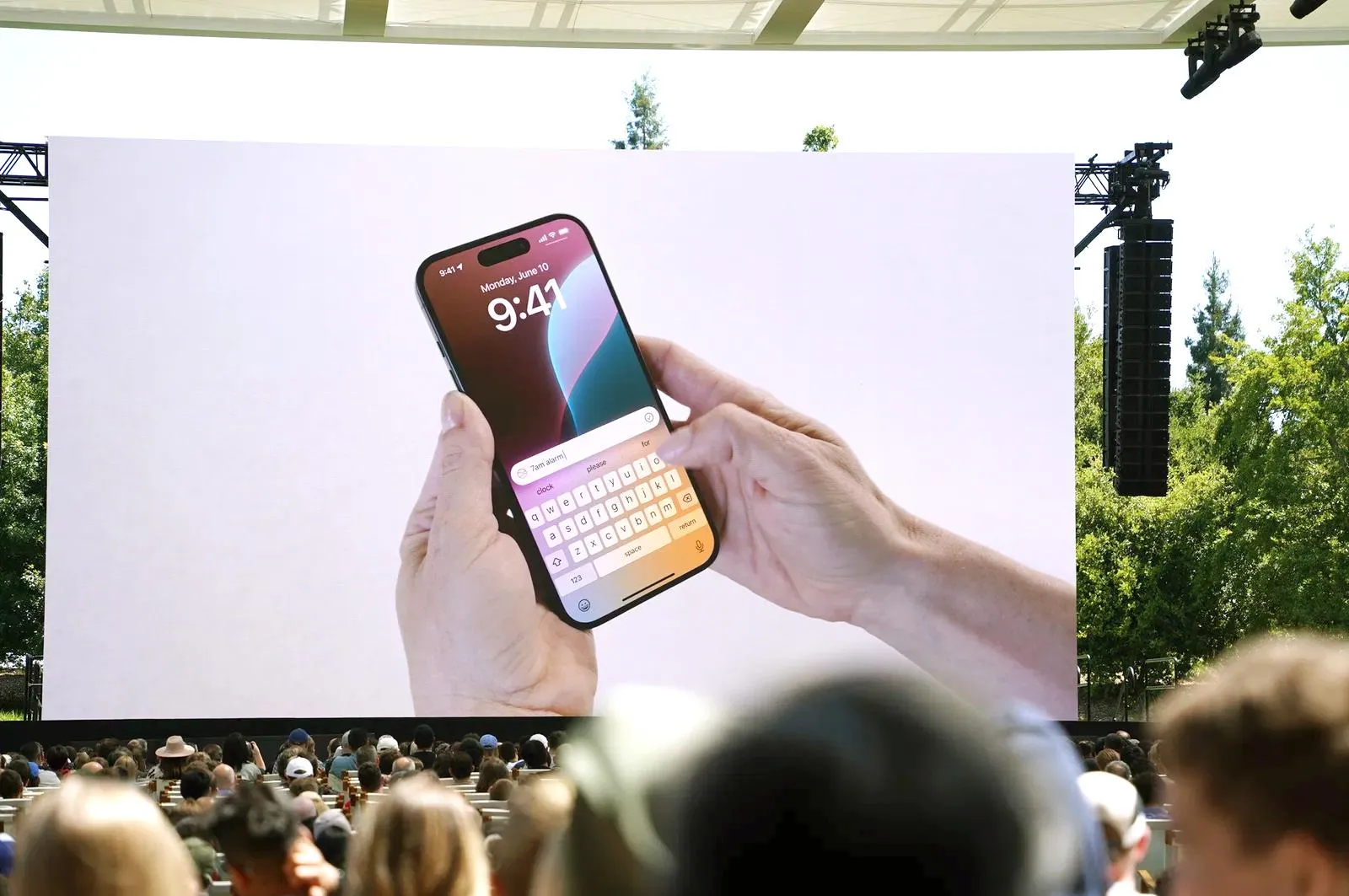
Apple didn’t plan to stumble into this position. But by failing to ship Apple Intelligence on time, it avoided being the company that aggressively pushed half-finished AI into every corner of its software. That’s not nothing. Microsoft’s Copilot integration across Windows and Office has drawn consistent complaints about being intrusive — a constant presence offering to summarise documents nobody asked it to look at. Google’s apps are now so thoroughly riddled with Gemini sparkle icons that opening Gmail sometimes feels less like checking email and more like navigating an AI product demo. There’s a real risk of feature fatigue here, and Apple’s slower pace has, inadvertently, kept it cleaner.
The Gemini Deal: Smart Play or Identity Risk?
New Siri won’t be built purely on Apple’s own models. Reports strongly indicate that Google’s Gemini is powering much of what’s coming, with Apple paying for access to that technology. On the surface, that might sound like an admission of defeat — Apple, the company that prides itself on controlling the full stack, licensing the engine from a competitor.
But look at it from another angle. Apple keeps its brand one step removed from Gemini’s more controversial associations. Google is currently not winning many goodwill points with its rapid-fire data centre expansion across residential areas — massive construction projects that have sparked local backlash in multiple US states. Apple’s name isn’t on any of those sites, even if the money it’s sending Google presumably helps fund them. It’s a financially pragmatic arrangement that comes with a reputational buffer Apple’s marketing team will happily exploit.
The bigger question is what this means for Siri’s identity long-term. Apple has always argued that its products are differentiated by the seamlessness of hardware and software working together. If the AI brain increasingly belongs to Google, that thesis gets complicated. For now, Apple seems to be betting that the wrapper — the interface, the privacy controls, the on-device processing — is where its value actually lives.
The Privacy Card: Genuine Differentiator or Marketing Smokescreen?
Expect Apple to play the privacy angle hard when new Siri takes the stage. The company has already built credibility around Private Cloud Compute, a system designed to handle cloud-side AI processing in a way that, according to Apple’s own technical documentation, leaves no persistent record of user data on Apple’s servers. It’s a technically serious approach, not just marketing language, and it genuinely distinguishes Apple’s infrastructure from what Google and Microsoft are doing.
New Siri is also reportedly going to offer the option to automatically delete conversation history after a set period — a meaningful departure from the default data-retention approaches most AI platforms use. For users who are broadly comfortable with AI but specifically nervous about their most personal queries being stored indefinitely, that’s a real selling point.

Where it doesn’t help, though, is with the segment of users who are simply exhausted by AI’s omnipresence. No amount of privacy architecture makes someone feel better about having an AI assistant trying to rewrite their emails, narrate their photo albums, and suggest what to cook for dinner — all at once, all the time. If new Siri surfaces with the same aggressive frequency as Copilot or Gemini, the privacy story won’t save it. Apple will need to calibrate how and where Siri appears with considerably more restraint than its competitors have shown.
What Actually Needs to Happen at WWDC
The situation Apple finds itself in heading into WWDC is genuinely unusual. It’s a company with enormous brand trust, a loyal hardware install base, and a privacy narrative that resonates — but a specific, documented history of overpromising on the exact product it’s about to relaunch. New Siri has to work. Not ‘mostly work with some rough edges’ — actually work, in the ways Apple demonstrates on stage, for real users on real devices, on day one.
Apple could absolutely frame the past two years as ‘taking the time to get it right.’ Google’s executives used to repeat the phrase ‘bold and responsible’ as a mantra whenever AI concerns were raised. They’ve largely dropped that language now, too busy announcing new Gemini capabilities and iterating at speed. Apple has an opening to claim that ‘responsible’ lane — but only if the product actually delivers.
The window for second chances in consumer tech is narrower than it looks. Users who felt burned by the 2024 Apple Intelligence rollout are watching. Developers who built around promises that didn’t materialise are watching. And the rest of the industry, which has spent two years watching Apple lag, will be watching too. New Siri doesn’t just need to impress — it needs to show up.
Frequently Asked Questions
What is new Siri at WWDC 2026?
New Siri is Apple’s next-generation AI assistant, reportedly powered by Google’s Gemini and expected to be reintroduced at WWDC. It may appear in the Dynamic Island, Photos, and possibly a dedicated Siri app — a major departure from the current voice assistant.
Why is Apple settling a class-action lawsuit over Apple Intelligence?
Apple promoted Apple Intelligence features in 2024 that were never actually shipped to users. The gap between marketing and reality was significant enough that a class-action lawsuit followed, and Apple is now settling — paying iPhone owners for features it promised but didn’t deliver.
How does new Siri use Google Gemini?
According to Bloomberg’s reporting, new Siri will be built on top of Gemini in some capacity. Apple is believed to be paying Google for access to the technology, using it to power more capable AI features while keeping its own brand and privacy architecture in front.
Does new Siri protect user privacy?
Apple is expected to heavily promote its Private Cloud Compute system alongside new Siri, which is designed to process data as securely as if it never left your device. Reports also suggest an option to automatically delete chat history, rather than retaining it by default.

