Star City Apple TV+ arrived with the kind of quiet confidence that premium television rarely musters these days. No marketing blitz, no algorithmic hype — just two episodes dropped, critics leaning forward in their chairs, and a word-of-mouth momentum building fast. The For All Mankind spinoff has taken one of Apple’s most ambitious alt-history universes and pointed it squarely behind the Iron Curtain, asking a question that’s more chilling than any rocket launch: what happens when the people building the future aren’t allowed to exist?
- Star City Apple TV+ launches as a spinoff of For All Mankind, exploring Soviet-era surveillance and space secrecy across 8 episodes.
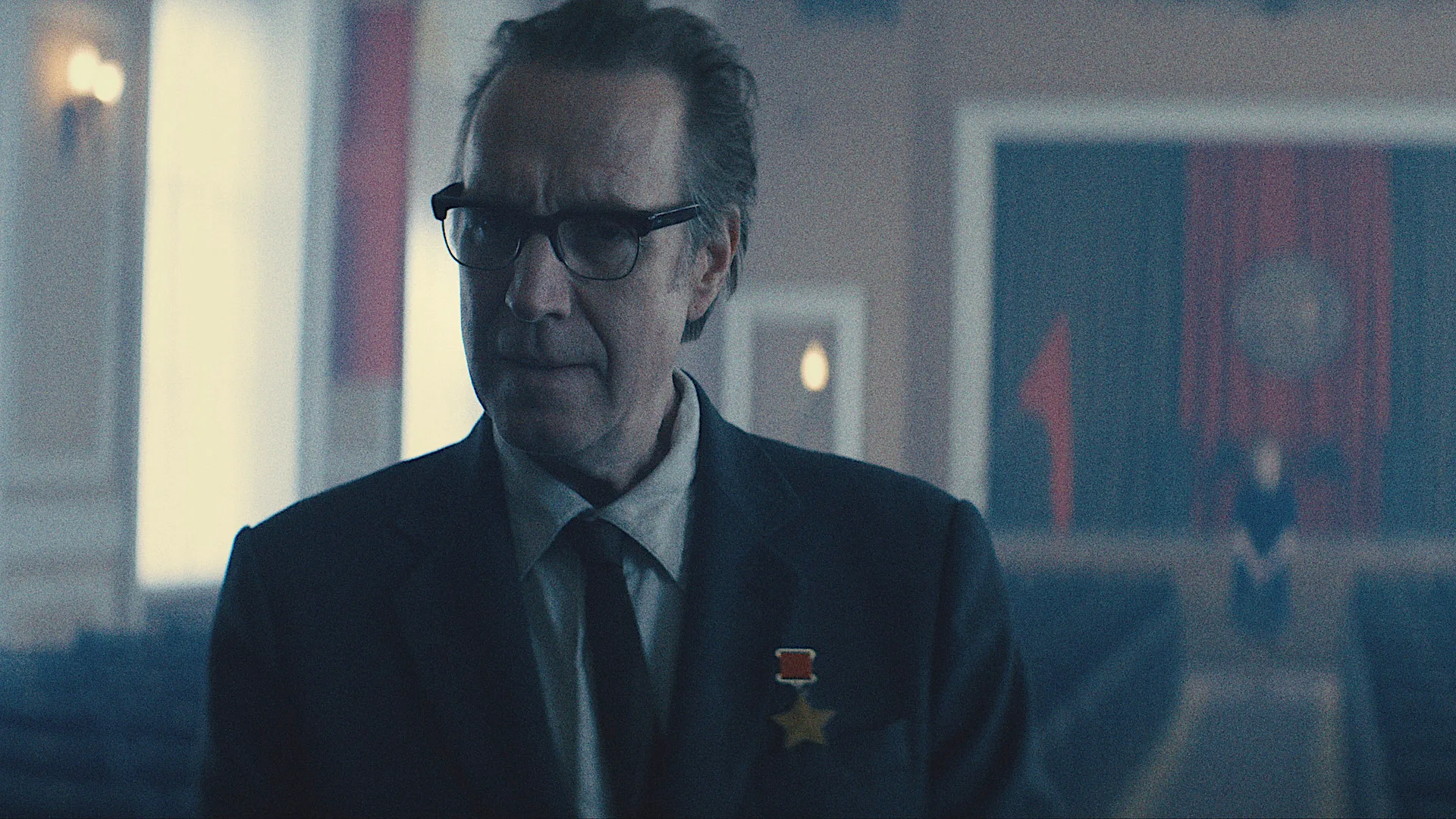
- Star City Apple TV+ stars Rhys Ifans as a fictional Chief Designer based on real Soviet rocket engineer Sergei Korolev.
- Co-creators Ben Nedivi and Matt Wolpert drew on real Cold War spycraft to make the show’s surveillance state feel authentic.
- Stylistically, the series channels paranoid 1970s thrillers like The Conversation and The Parallax View to build its oppressive atmosphere.
Table of Contents
Star City Apple TV+ and the World It Builds
If For All Mankind is a show about the majesty and danger of space exploration, Star City Apple TV+ is about the machinery of control that makes such exploration possible — and the human cost of keeping that machinery secret. Set inside a classified Soviet facility near Moscow where cosmonauts and their families lived under near-total state surveillance, the show doesn’t treat the Cold War as backdrop. It treats it as atmosphere, pressure, and an ever-present threat.
The series runs eight episodes, dropping Fridays on Apple TV+ at midnight Pacific Time through July 10. That slow-burn weekly release schedule feels deliberate — this is a show that rewards patience and punishes binge-watching instincts. It wants you to sit with the dread.
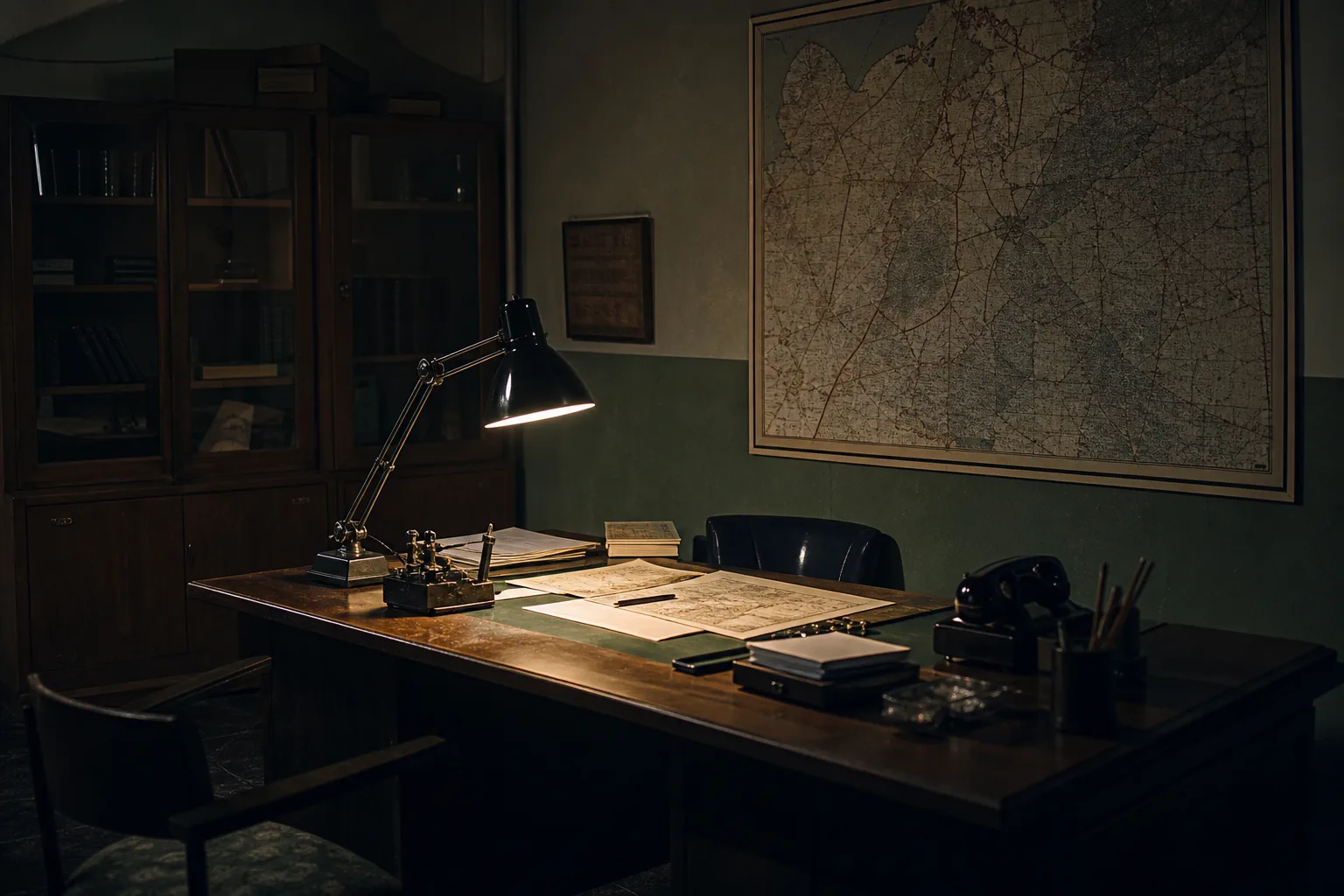
Co-creators and showrunners Ben Nedivi and Matt Wolpert — who previously worked on Fargo — have said that the surveillance state was the element they felt For All Mankind never fully explored. In Star City Apple TV+, it becomes the central dramatic engine. “That’s the added element that Star City has,” Nedivi explained, “and that’s something we wanted to be as accurate about as we are with space exploration in For All Mankind.” The team researched actual Cold War spycraft, and the contraptions you’ll see characters using on screen are based on real devices from the era. That specificity matters. It’s the difference between atmosphere and authenticity.
Rhys Ifans as the Man Who Officially Doesn’t Exist
Rhys Ifans — best known recently as the scheming Ser Otto Hightower in HBO’s House of the Dragon — takes on a role in Star City Apple TV+ that couldn’t be more different in tone, though the political calculation involved is surprisingly similar. He plays the Chief Designer, the Soviet space program’s lead architect, a character whose identity is deliberately kept anonymous throughout the show. That’s not a creative flourish. It’s historical fact: the real Soviet regime went to extraordinary lengths to conceal the identity of its top scientists, convinced that public recognition would create personalities larger than the state itself.
The real-life inspiration is Sergei Korolev, the engineer who drove the USSR’s push to the moon before his death in 1966. In the show’s alternate timeline, he’s alive — which opens up a rich vein of what-if storytelling that the For All Mankind universe has always mined effectively.
Ifans describes the character as a moral labyrinth made flesh. “From dawn until dusk, every waking moment is about navigating their way safely through a very, very hostile environment,” he reportedly told Space. “How one does that while keeping one’s own sense of ethics and morality intact, while by necessity sometimes having to behave in ways and make decisions that in a normal world you’d never have to make.” He calls Star City Apple TV+, ultimately, “a show about resilience” — and watching him on screen, that reading lands.
There’s something quietly devastating about what Ifans identifies as the Chief Designer’s central tragedy: a genius who in any other context would be a national hero, celebrated and decorated, but who instead doesn’t officially exist. Not just unnamed — unknown. “Everyone working there and all the work that was being done there,” Ifans notes, “none of the larger population had any knowledge of its existence.”

The Paradox at the Heart of Soviet Space Ambition
Nedivi put his finger on something genuinely fascinating about the Soviet approach to its space program — something that gets lost in the Western narrative where the Space Race is usually told as a story of American triumph. For the USSR, the cosmonaut program was, as Nedivi describes it, “their crown jewel.” The thing they were most proud of. And yet that pride manifested not as celebration but as even tighter control.
“You’d think that pride would mean they’d want that celebrated,” Nedivi said, “but really it was quite the opposite. They were so worried about their celebrity and success, making them feel like they were bigger than the state, that it put them under even more pressure when they came back to Earth.” It’s a perverse dynamic, but a historically grounded one — and it gives Star City Apple TV+ its sharpest dramatic edge. In For All Mankind, as Nedivi frames it neatly, “the danger is in space.” In Star City Apple TV+, “it’s on the ground.”
That inversion is smart storytelling. It also reflects a broader truth about authoritarian systems that the show seems eager to explore: the machinery of control is never more ferocious than when it’s protecting something it actually values.
A Visual Language Built from Paranoid Cinema
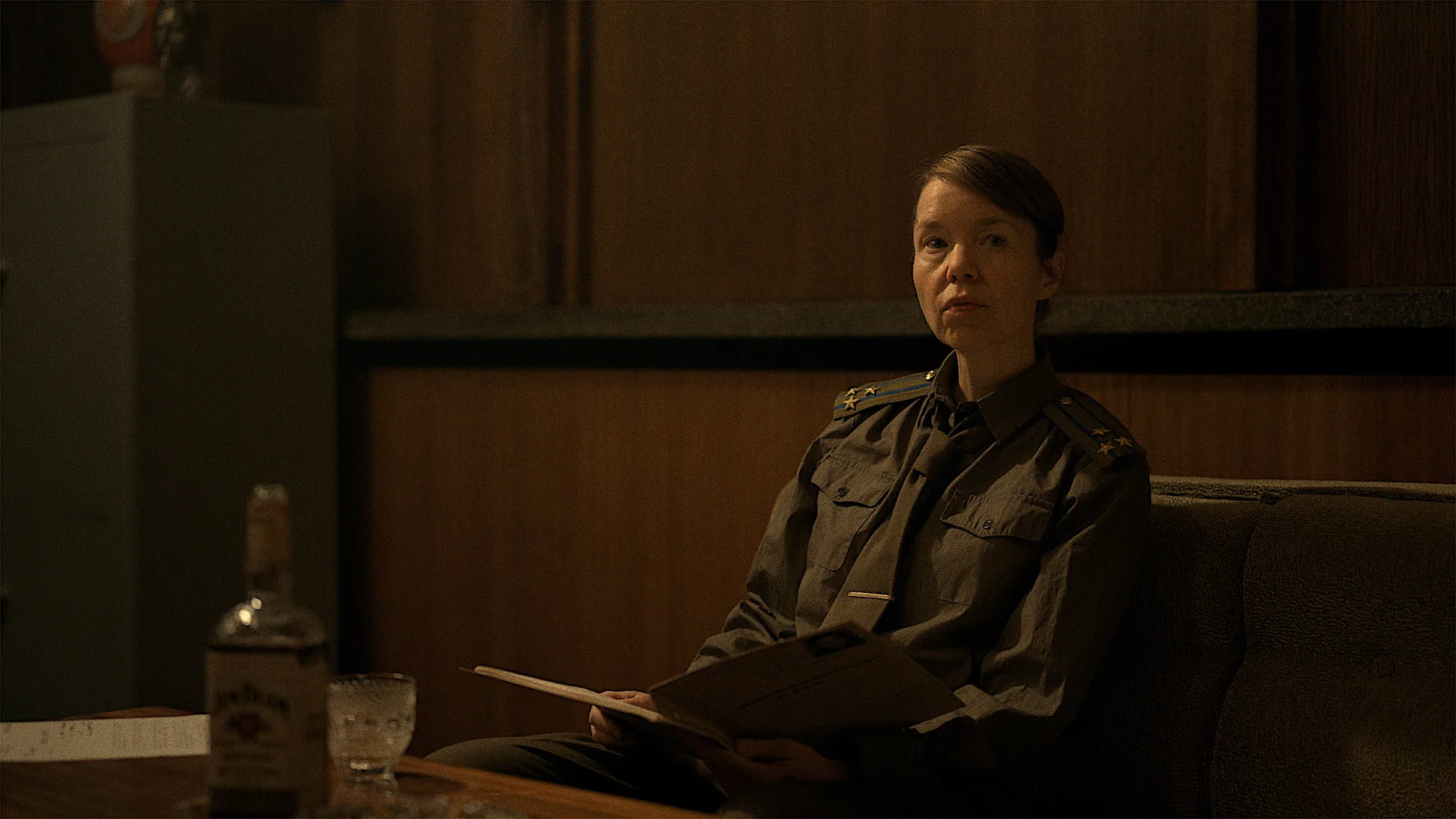
One of the most immediately striking things about Star City Apple TV+ is how it looks and sounds. Nedivi and Wolpert have spoken openly about their cinematic references, and the list is a masterclass in Cold War paranoia filmmaking: The Manchurian Candidate, the original Mission: Impossible, assorted Bond films. Wolpert specifically cited The Conversation, The Parallax View, and All the President’s Men as visual touchstones.
“Those grainy, gritty films,” Wolpert said. “You can feel the film stock and feel the playfulness with the approach to sound that we felt would really put people in that place and time.” Ifans adds The Lives of Others to the mix — the German film about Stasi surveillance that remains one of the definitive depictions of life under a watching state — and recalls absorbing this whole genre of paranoid thrillers as a child in his father’s lap in a smoke-filled living room in North Wales.
That personal texture comes through in his performance. And the production design choices pay off: Star City Apple TV+ feels genuinely period-specific in ways that go beyond costumes and set dressing. The sound design in particular does heavy lifting, creating a sense that walls have ears — because in this world, they do.
What Star City Means for Apple’s Premium Drama Ambitions
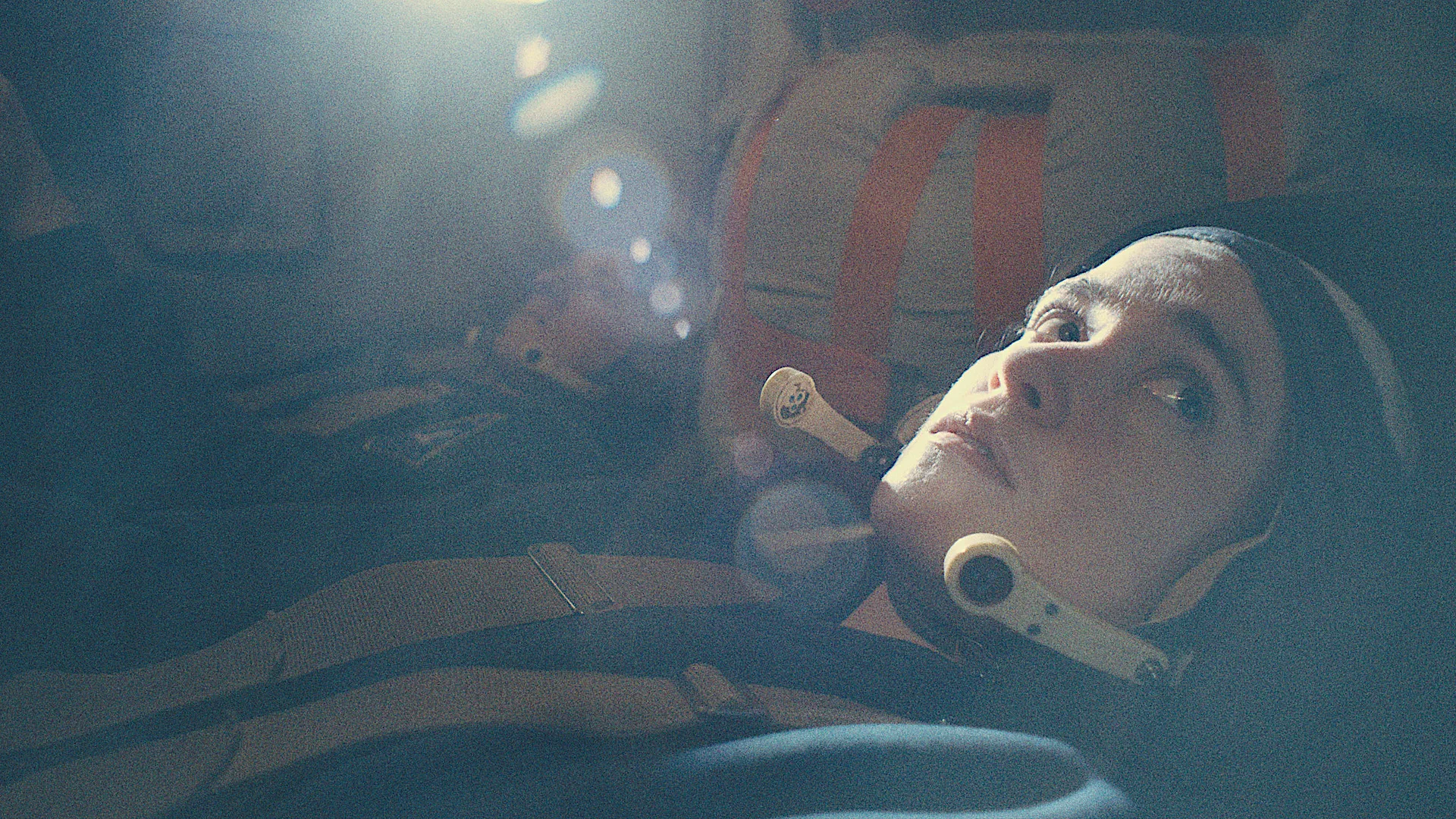
Apple TV+ has staked its reputation on a relatively small slate of high-quality originals rather than the volume play favored by Netflix. For All Mankind has been a cornerstone of that strategy since 2019, quietly building a devoted audience while critics warmed to its slow-burn alt-history ambitions. Star City Apple TV+ extends that bet in an interesting direction — laterally rather than sequentially, expanding the universe’s geography and ideology rather than just moving the timeline forward.
It’s a model HBO has used effectively with prestige drama for decades, and it’s one that suits Apple’s positioning well. Whether Star City Apple TV+ can pull in viewers who haven’t watched For All Mankind — and whether Apple will need it to — is the commercial question hanging over the show’s run. But creatively, the early evidence suggests Nedivi and Wolpert have built something that stands on its own terms: a tense, morally serious drama about people trapped between loyalty to their work, their state, and themselves. That’s a story that resonates well beyond any specific Cold War setting. It’s the story of anyone who’s ever worked inside a system that demands everything and acknowledges nothing.
Frequently Asked Questions
Is Star City Apple TV+ connected to For All Mankind?
Yes. Star City is a direct spinoff of For All Mankind, Apple TV+’s alternate-history space drama. It shifts the action to the Soviet side of the space race, exploring life inside the secretive cosmonaut town near Moscow under strict state control.
Who does Rhys Ifans play in Star City?
Ifans plays the Chief Designer, a character intentionally left unnamed in the show — mirroring how the real Soviet regime concealed its rocket scientists from public knowledge. The role is based on Sergei Korolev, the actual architect of the USSR’s lunar program.
When and where can you watch Star City?
Star City streams exclusively on Apple TV+, with new episodes dropping each Friday at midnight Pacific Time. The 8-episode season runs through July 10.
What real history does Star City draw from?
The show is grounded in the actual story of Sergei Korolev and the classified Soviet cosmonaut facility near Moscow. The creators also researched genuine Cold War spycraft, using real surveillance techniques and equipment from the era as inspiration for the show’s depiction of the Soviet intelligence apparatus.