
- The WWDC 2026 keynote is Tim Cook’s last as Apple CEO — expect a defining statement on AI and software.
- Apple is set to announce a major Siri overhaul at the WWDC 2026 keynote, powered by Google’s Gemini AI.
- All Apple operating systems will shift to the OS 27 naming convention, with stability and AI features front and centre.
- Hints of a foldable iPhone and smart glasses may surface, though hardware surprises at WWDC remain rare.
Table of Contents
Tim Cook’s Final WWDC — and Why It Matters
The WWDC 2026 keynote isn’t just another annual software showcase. It’s the last one Tim Cook will host as Apple’s CEO, and that fact alone makes it worth paying closer attention than usual. Cook has led Apple since 2011, steering the company from a hardware-first powerhouse into one of the world’s most dominant subscription and services businesses. Monday, June 8, at 10 am PT (1 pm Eastern) is when the curtain rises — and you can catch the WWDC 2026 keynote live on Apple’s official WWDC website, on YouTube, or through the Apple TV app.
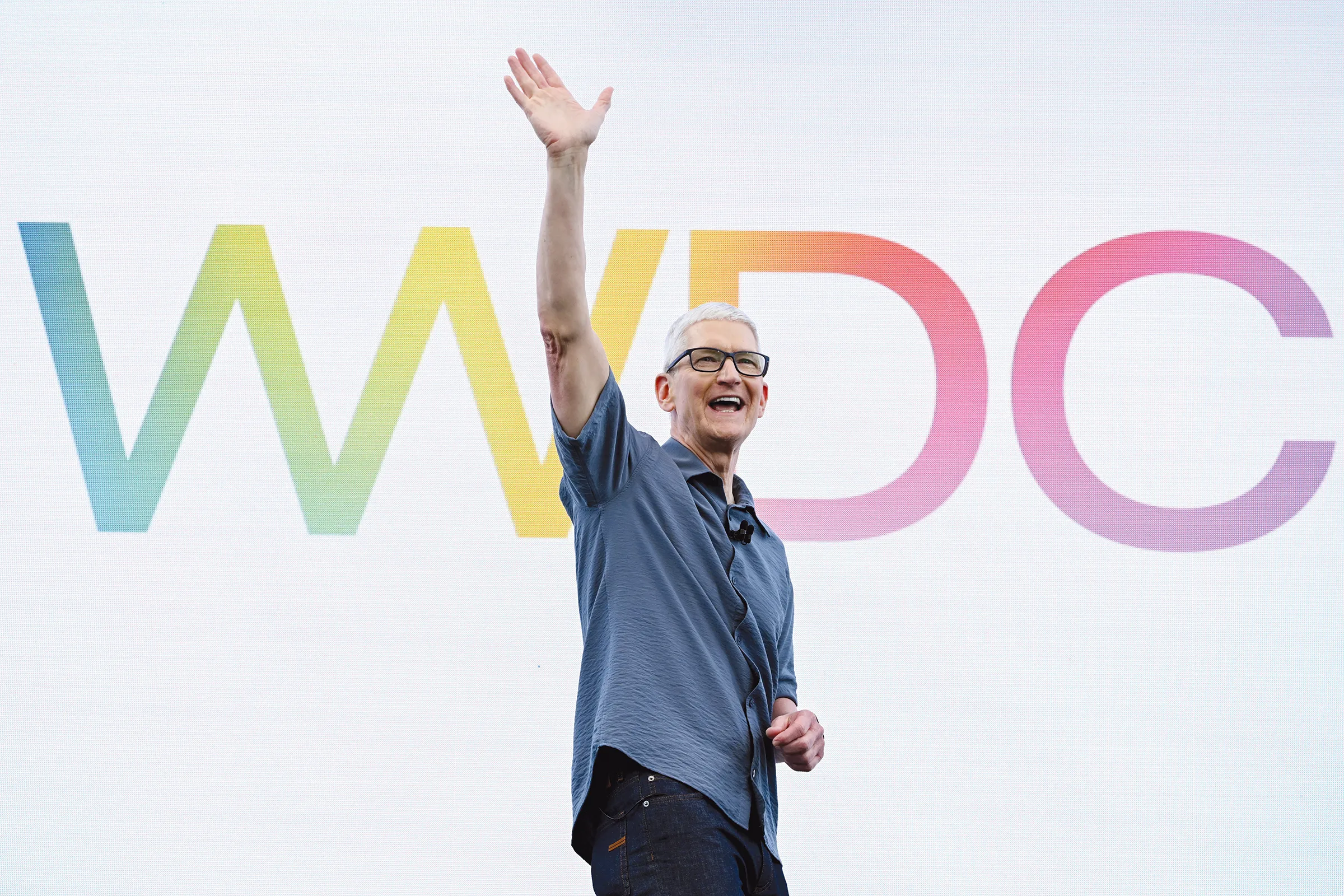
Whatever Cook announces, this keynote will carry the weight of a legacy statement. The outgoing CEO has one more shot to frame Apple’s AI narrative on his own terms before handing the reins to whoever comes next. That context matters because Apple’s AI story, so far, has been more promise than delivery — and the industry knows it.
The WWDC 2026 Keynote’s Biggest Story: Siri, Finally Fixed?
If there’s one thing the entire Apple ecosystem has been waiting years for, it’s a Siri that actually works. Apple’s virtual assistant has been the company’s most embarrassing open secret — frequently outpaced by Google Assistant, Amazon Alexa, and now an entire generation of large language model chatbots. Apple Intelligence, announced with considerable fanfare a couple of years ago, was supposed to change that. It didn’t ship on time, and the gap between Apple’s promises and reality became impossible to ignore — to the point where Apple agreed in May to pay $250 million to iPhone 15 and 16 owners who never received the AI features they were told were coming.
Now, Bloomberg’s Mark Gurman — who has an almost uncanny track record on Apple leaks — has outlined what the revamped Siri could look like. Think a darker, more focused dedicated app, a persistent presence inside the Dynamic Island at the top of iPhone screens, and genuine chatbot-style conversational capabilities. That last part is where the real news lives: at the WWDC 2026 keynote, Apple is expected to confirm its partnership with Google, integrating Gemini AI into Siri’s backend to deliver the kind of fluid, context-aware responses that Apple’s own models have struggled to produce.
The Apple-Google collaboration isn’t a sudden development. The two companies have been working on this since at least 2024, and in January they released a joint statement describing a ‘multi-year collaboration’ to enhance Apple Intelligence with Google Gemini, along with a promise of ‘a more personalized Siri coming this year.’ The WWDC 2026 keynote is the natural stage for that promise to materialise.
It’s a fascinating strategic move — and a slightly uncomfortable one for both sides. Apple has historically prided itself on controlling its own technology stack. Relying on Google’s AI infrastructure is an admission that building a world-class language model from scratch isn’t something Apple can do quickly enough to stay competitive. For Google, the deal keeps Gemini relevant on the world’s most lucrative device platform, even as the search giant faces antitrust pressure over its existing default search deal with Apple. Strange bedfellows, genuinely useful product — that seems to be the bet both companies are making.
OS 27 Across the Board — Stability Over Spectacle
Beyond Siri, the WWDC 2026 keynote will usher in a full suite of updated operating systems: iOS 27, macOS 27, watchOS 27, and the rest of Apple’s software lineup. Apple shifted to a car-industry-style year-ahead naming convention recently, so the ’27’ branding reflects the year these systems are designed for rather than a version count.
The reported emphasis this cycle is on performance and reliability rather than headline-grabbing new features — which, frankly, is probably the right call. Apple’s software reputation took hits over the past few years as ambitious feature sets shipped ahead of solid foundations. A year focused on ‘it just works’ would be a meaningful course correction.
That said, there will be AI-powered additions under the Apple Intelligence umbrella. Gurman has reported that Apple is planning features like creating custom digital passes for events and splitting bills by photographing a receipt — practical, everyday utilities that showcase on-device AI without needing a philosophy lecture about machine learning. These are the kinds of features that actually change how people use their phones daily, even if they don’t generate the same headline buzz as a new chip or form factor. Expect the WWDC 2026 keynote to frame each of these as evidence that Apple Intelligence has matured.
Hardware on the Horizon: Foldables, Smart Glasses, and Long Shots
WWDC is primarily a software conference — Apple typically saves hardware for its fall events. But there are enough swirling signals that the WWDC 2026 keynote might hint at what’s coming later in the year or into 2027.
The most intriguing possibility is a foldable iPhone. Apple hasn’t confirmed one exists, but the circumstantial evidence is piling up. Observers who’ve been watching iOS’s software architecture report that recent updates include display-handling code that would make considerably more sense on a folding screen than on any current iPhone model. Apple rarely bakes in software infrastructure without a hardware reason, so the implication is clear even if Apple won’t say so out loud.
Smart glasses are another whisper worth tracking. After the Apple Vision Pro’s eye-watering $3,499 price tag limited its audience to early adopters and the genuinely wealthy, Apple has strong commercial incentive to explore a lighter, cheaper wearable computing play. Smart glasses — think something in the Meta Ray-Ban territory but with Apple’s design sensibility — represent that opportunity. Nothing’s confirmed for production, but the WWDC 2026 keynote might surface a tease, intentional or otherwise.
Split-screen multitasking for iPhones has also been rumoured, which would be a notable quality-of-life upgrade for power users and would align neatly with foldable hardware support. As for AirPods with cameras — another rumour that’s been floating around — don’t hold your breath for a WWDC mention. That feels like a fall product story at earliest.
Mac announcements? Almost certainly not. Apple’s Mac lineup tends to get its moment at fall events, and there’s no credible signal pointing to a surprise computer reveal on Monday.
What the WWDC 2026 Keynote Really Needs to Deliver
Strip away the rumours and the ritual of it all, and the WWDC 2026 keynote has one central job: convincing Apple’s billion-plus users — and the developers who build for them — that the company has a credible, competitive AI strategy. That’s a harder case to make than it sounds.
OpenAI’s ChatGPT, Google’s Gemini, and Anthropic’s Claude have spent the past two years setting an extremely high bar for what AI assistants can do. Apple entered that race late and has been playing catch-up ever since. The $250 million Siri settlement didn’t just cost money — it cost credibility. And credibility, once spent, takes more than a keynote to rebuild.
But Apple has something that none of the pure-play AI companies can easily replicate: an installed base of devices that people carry everywhere, trust with their most personal data, and genuinely love using. If the Gemini-powered Siri delivers even a fraction of the experience that Apple’s marketing suggests, the flywheel effect could be significant. Developers will build for it, users will rely on it, and Apple’s services revenue — already enormous — has another growth lever to pull.
Tim Cook’s parting keynote, then, is less about any single feature and more about whether Apple can plant a flag convincingly in the AI era. Everything the WWDC 2026 keynote announces will be parsed and debated for months. How those announcements hold up against actual product releases in the fall is the real test — and that story is just getting started.
Frequently Asked Questions
When and where can I watch the WWDC 2026 keynote?
The WWDC keynote starts Monday, June 8, at 10 am PT (1 pm Eastern). You can stream it live on Apple’s official WWDC website, YouTube, or through the Apple TV app. WIRED will also be running a live blog to follow along as announcements happen.
What is Apple expected to announce for Siri at WWDC 2026?
Apple is widely expected to unveil a significantly rebuilt Siri, including a darker dedicated app interface, a persistent spot in the iPhone’s Dynamic Island, and chatbot-style capabilities backed by Google’s Gemini AI under a multi-year collaboration announced in January.
Will Apple reveal new hardware at WWDC 2026?
Hardware announcements at WWDC are uncommon but not unheard of — the Vision Pro debuted there in 2023. This year, Apple may tease smart glasses concepts or drop software hints about a foldable iPhone, though no confirmed hardware reveal is expected.
What will iOS 27 be called and what’s new?
Apple adopted car-industry-style year-based naming for its operating systems, so the next release will be iOS 27. The focus is reportedly on performance, stability, and AI-powered Apple Intelligence features including bill splitting via photo and digital pass creation.